
 Language


More Language
Language
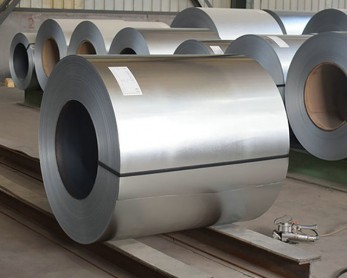
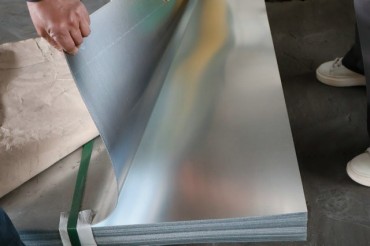
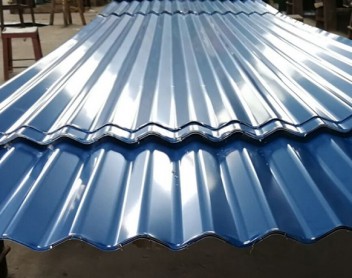
Galvanized metal is a widely used roofing material in the construction industry, which is mainly composed of galvanized steel plates and made through specific processing and treatment techniques. To assess the corrosion resistance of galvanized metal roofs, the following aspects can be considered comprehensively:
The thicker the coating, the stronger the protective effect on the steel plate, and the corresponding improvement in corrosion resistance. The corrosion resistance of galvanized metal roofs can be preliminarily determined by measuring the coating thickness. The coating should be evenly covered on the surface of the steel plate, without obvious leakage, peeling or rusting. Observe whether the surface of the coating is smooth and flat, and whether there are defects such as spots and pits. The adhesion between the coating and the steel plate substrate should be good, without peeling or foaming. The adhesion can be determined by gently scratching the surface of the coating and observing if there is any peeling of the coating.
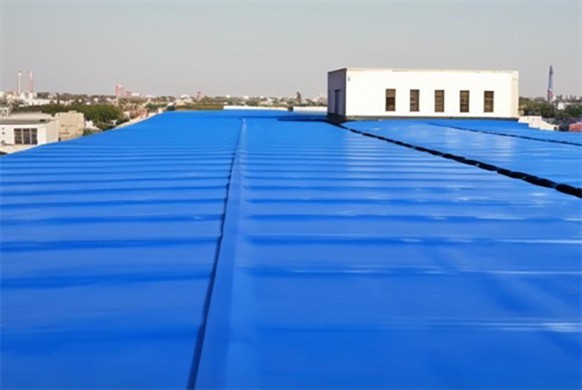
The quality of steel substrate directly affects the corrosion resistance of galvanized metal roofs. High quality steel has better corrosion resistance, so choosing well-known brands and high-quality steel is the key to ensuring the corrosion resistance of galvanized metal roofs.
The usage environment is also an important factor in determining its corrosion resistance. In humid and highly corrosive environments, the corrosion resistance of galvanized metal roofs will face greater challenges. Therefore, it is necessary to choose the appropriate galvanized metal roof material and coating thickness according to the specific usage environment.
When purchasing galvanized metal roofs, it is necessary to check whether the product has passed relevant certifications, such as ISO certification, quality management system certification, etc. At the same time, suppliers can also be required to provide testing reports to understand the corrosion resistance and other quality indicators of the product.
China galvanized plate manufacturer: Boxing Shuangshengda Steel specializes in galvanized sheet, galvanized steel plate,Colour steel plate etc.We have a full range of product specifications and types, low prices, and more than 20 years of experience, worthy of your trust

 Address:Bo Xing County, Shandong Province
 E-mail: