Is galvanized sheet metal rust proof?

In the field of metal material applications, the rust prevention performance of galvanized sheet metals has always been a focus of attention for users. Experimental data and engineering practice have confirmed that galvanized sheet metal has excellent rust prevention ability, and its core principle lies in the zinc iron alloy protective layer formed on the surface. The coating is produced on the surface of the steel plate through hot-dip galvanizing or electroplating processes, forming a zinc layer with a thickness of 0.02-0.2mm. When the substrate is exposed to a corrosive environment, zinc is preferentially oxidized as an anode, forming a dense oxide film to prevent further corrosion. Compared to ordinary carbon steel, the salt spray resistance test time of galvanized sheet can reach over 1000 hours, and it can still maintain corrosion resistance for 10-20 years in harsh environments such as coastal and industrial pollution. This article will delve into whether galvanized sheet metals are rust resistant and the various factors that affect their rust resistance performance.


1. Basic concepts of galvanized sheet metal

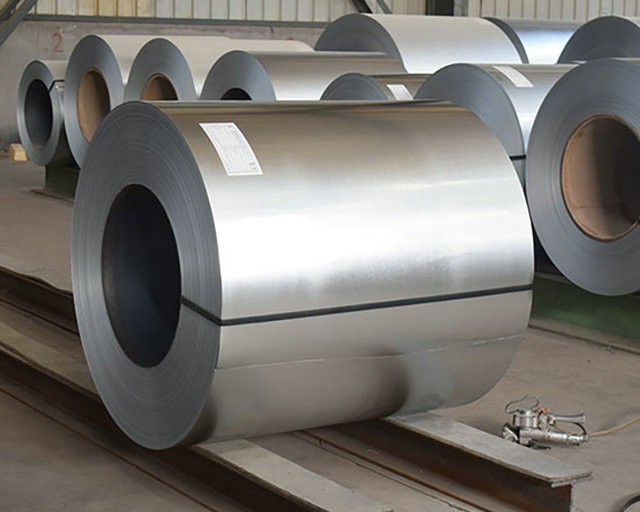
Galvanized metal sheet is made by covering a layer of zinc metal on the surface of ordinary metal sheet (usually steel sheet) through a specific process. This layer of zinc is like a sturdy 'armor', providing additional protection for the metal plate. The common galvanizing processes include hot-dip galvanizing and electroplating galvanizing. Hot dip galvanizing is the process of immersing a metal plate in molten zinc solution, causing a chemical reaction between zinc and the surface of the metal plate, forming a thick layer of zinc iron alloy; Electrogalvanizing is the process of depositing a thin layer of pure zinc on the surface of a metal plate through electrochemical methods.


Galvanized sheet metal


2. The anti rust principle of galvanized sheet metal

1. Physical barrier effect

The zinc layer covers the surface of the metal plate, forming a physical barrier that prevents corrosive media such as air and moisture from directly contacting the metal plate substrate. It's like putting a waterproof and windproof "jacket" on the metal plate, reducing the erosion of the metal plate by the external environment. For example, in humid air, without the protection of a zinc layer, the iron atoms on the surface of a metal plate will react chemically with oxygen and water in the air, forming rust. With the zinc layer, corrosive media first come into contact with the zinc layer, thus protecting the metal plate substrate.

2. Electrochemical protection effect

Zinc is a more reactive metal than iron. During electrochemical corrosion, zinc loses electrons first and is corroded, thus protecting the metal plate substrate as the cathode. This protection method is called sacrificial anode cathodic protection. When there are minor damages on the surface of galvanized sheet metals, the zinc layer will continue to provide electrochemical protection to prevent rusting of the metal sheet substrate at the damaged location. For example, at a small scratch, zinc will continuously dissolve as the anode, while the metal plate substrate will be protected as the cathode until the zinc layer is completely consumed.


3. Factors affecting the rust prevention performance of galvanized sheet metals

1. Thickness of galvanized layer

The thickness of the galvanized layer is one of the key factors affecting the rust prevention performance of galvanized sheet metals. Generally speaking, the thicker the galvanized layer, the stronger the physical barrier and electrochemical protection it provides, and the better the rust prevention performance. A thicker galvanized layer can resist the erosion of corrosive media for a longer period of time, extending the service life of metal plates. The thickness of the galvanized layer formed by different types of galvanizing processes varies. Hot dip galvanizing process usually forms a thicker galvanized layer, while electroplating galvanizing process forms a relatively thinner galvanized layer. The following is a simple table about the relationship between galvanized layer thickness and rust prevention performance under different galvanizing processes:


Galvanizing Process

Zinc Coating Thickness Range (μm)

Rust Prevention Performance Evaluation

Hot-dip Galvanizing

50 - 150

Excellent rust prevention performance, suitable for long-term use in harsh environments

Electrogalvanizing

5 - 20

Relatively weak rust prevention performance, suitable for general environments


2. Environmental factors

Humidity: High humidity environments can accelerate the corrosion process of metals. In humid air, moisture forms a water film on the surface of galvanized sheet metals, providing conditions for electrochemical corrosion. If the environmental humidity is high for a long time, the galvanized layer may gradually corrode, thereby reducing its rust prevention performance. For example, in coastal areas, the salt and humidity in the air are high, and galvanized sheet metals are more prone to rusting.
Temperature: Temperature also has an impact on the rust prevention performance of galvanized sheet metals. Generally speaking, higher temperatures accelerate the rate of chemical reactions, including corrosion reactions. In high temperature environments, the corrosion rate of galvanized layers may accelerate, especially in the presence of other corrosive media. For example, in industrial production, galvanized sheet metals around some high-temperature equipment may rust faster.
Corrosive media: Corrosive media present in the environment, such as acids, alkalis, salts, etc., can cause severe corrosion to galvanized sheet metals. These media will damage the structure of the zinc layer, rendering it unprotected. For example, near a chemical plant, chemicals in the air may corrode galvanized sheet metals and shorten their service life.

3. Maintenance and upkeep

Regular maintenance and upkeep of galvanized sheet metals can extend their rust resistance. For example, timely removal of dust, dirt, and other impurities on the surface of metal plates to prevent these substances from accumulating on the surface and forming a corrosive environment. In addition, for galvanized layers that have already suffered minor damage, timely repairs can be carried out, such as applying anti rust paint, to restore their anti rust performance.


Galvanized sheet metal


4. Application and rust prevention requirements of galvanized sheet metal in different fields

1. Construction field

In the field of architecture, galvanized sheet metals are commonly used for roofs, walls, doors and windows. The building environment is complex and can be affected by various factors such as wind, sun, and rain. Therefore, high requirements are placed on the rust prevention performance of galvanized sheet metals. Generally speaking, galvanized sheet metals used in construction require a thick galvanized layer to resist harsh environmental conditions. For example, in the roofs of some large commercial buildings, using hot-dip galvanized sheet metals can ensure that they will not rust for a long time, ensuring the beauty and service life of the building.

2. Manufacturing industry

In the manufacturing industry, galvanized sheet metals are commonly used to manufacture various components and equipment casings. The anti rust requirements for galvanized sheet metals vary depending on the manufacturing environment. For example, in the food processing industry, equipment needs to meet strict hygiene standards, and galvanized sheet metals not only need to have good rust resistance, but also be easy to clean and disinfect. In this case, it is possible to choose electroplated galvanized sheet metals with smooth surfaces and high-quality galvanized layers.


5. Conclusion

Galvanized metal sheets have excellent rust resistance, mainly due to the physical barrier and electrochemical protection provided by the zinc layer on their surface. However, the rust prevention performance of galvanized sheet metals is affected by various factors, including the thickness of the galvanized layer, environmental factors, and maintenance. In practical applications, we need to choose the appropriate galvanizing process and galvanizing layer thickness according to the specific usage environment and requirements, and do regular maintenance and upkeep work to ensure that galvanized sheet metals can exert their rust prevention performance for a long time, providing reliable guarantee for applications in various fields.
Previous : What is a color coated sheet coil?
Next: Next
Contact
 Address:Bo Xing County, Shandong Province
 E-mail:ssd@cnsststeel.com