How much does a galvanized sheet metal 4x8 weigh?

In the field of construction engineering and metal processing, the weight calculation of galvanized sheet metal 4x8s is a key link in material selection and cost control. Taking the standard size of 4-foot (1219.2mm) x 8-foot (2438.4mm) galvanized sheet as an example, its theoretical weight needs to be accurately calculated based on the sheet thickness and coating parameters. According to calculations, the theoretical weight of a 2.0mm thick 4x8 galvanized sheet is approximately 119.4 kilograms, which is calculated based on the substrate density of 7.85g/cm ³ and the coating weight gain factor. In practical engineering, a manufacturing deviation of ± 3% needs to be considered, and the coating type (pure zinc/zinc iron alloy) and surface structure (ordinary zinc flower/small zinc flower) will further affect the weight accuracy. This article will systematically analyze the importance of its weight in various aspects such as engineering budgeting, material transportation, structural load-bearing design, etc.


Galvanized sheet metal


1. Overview of galvanized sheet metal

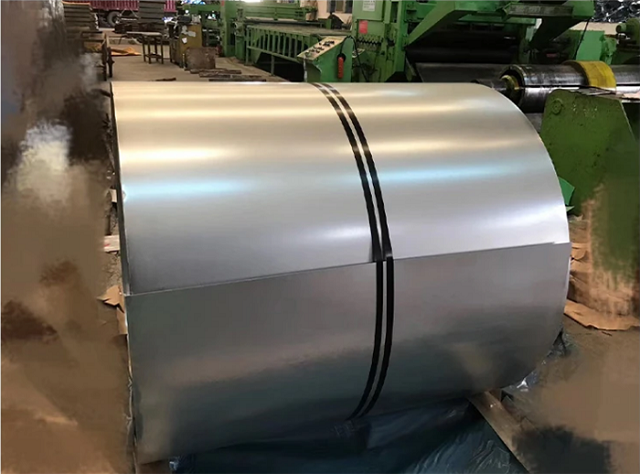
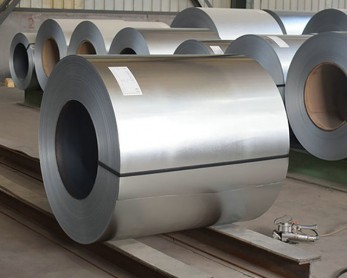
Galvanized sheet metal is a layer of zinc coated on the surface of ordinary metal plates (such as steel plates). The zinc layer can isolate the metal plate from the external environment, effectively prevent rusting and corrosion of the metal plate, and greatly extend its service life. According to the different galvanizing processes, it can be mainly divided into two types: hot-dip galvanizing and electroplating galvanizing. Hot dip galvanizing is the process of immersing a metal plate in molten zinc solution to firmly bond the zinc layer to the metal plate. A thicker zinc layer provides stronger corrosion resistance; Electrogalvanizing is the process of depositing a zinc layer on the surface of a metal plate through electrolysis. The zinc layer is relatively thin, but the surface is smoother and smoother. A 4x8 specification galvanized sheet metal typically refers to a metal sheet with a length of 8 feet (approximately 2.44 meters) and a width of 4 feet (approximately 1.22 meters).


2. Factors affecting the weight of galvanized sheet metal 4x8

1. Material of metal plate

The density of different metal materials varies, which directly determines the weight of metal plates of the same size. Taking the common galvanized steel plate as an example, its main component is iron, with a density of about 7.85 grams per cubic centimeter. If it is galvanized aluminum plate, the density of aluminum is about 2.7 grams per cubic centimeter. Under the same size and thickness, the weight of galvanized aluminum plate will be much lighter than that of galvanized steel plate.

2. Thickness of metal plate

Thickness is one of the key factors affecting weight. The thicker the thickness, the larger the volume of the metal plate, and according to the formula that weight equals density multiplied by volume, its weight also becomes heavier. For example, a 4x8 galvanized steel plate with a thickness of 1 millimeter and a galvanized steel plate of the same specification with a thickness of 2 millimeters, the latter weighs almost twice as much as the former.

3. Thickness of galvanized layer

Although the galvanized layer is relatively thin compared to the thickness of the metal sheet itself, it also has a certain impact on weight. Generally speaking, the thickness of the zinc layer in hot-dip galvanizing is thicker than that in electroplated galvanizing, so the weight of hot-dip galvanized sheet metal is slightly heavier than that of electroplated galvanized sheet metal. However, the influence of the thickness of the galvanized layer on weight is relatively small, and sometimes it can be ignored when estimating the weight roughly.


3. Calculation method for weight of galvanized sheet metal 4x8

1. Theoretical calculation formula

For metal plates with regular shapes, their weight can be calculated using a formula. Taking galvanized sheet metal as an example, the calculation formula is: weight (kg)=length (m) x width (m) x thickness (mm) x 7.85 ÷ 1000. Among them, 7.85 is the approximate value of the density of steel (grams per cubic centimeter) converted to kilograms per cubic meter. For example, a 4x8 (length 2.44 meters, width 1.22 meters) galvanized steel plate with a thickness of 2 millimeters, its weight is calculated as follows: 2.44 × 1.22 × 2 × 7.85 ÷ 1000 ≈ 0.046 (tons)=46 kilograms.


2. The difference between actual weight and theoretical weight

In practical applications, due to factors such as manufacturing processes and measurement errors, the actual weight of metal plates may deviate from the theoretical calculated weight to some extent. Generally speaking, this deviation within ± 5% is within the normal range. For example, according to theoretical calculations, a galvanized steel plate weighing 46 kilograms may actually weigh between 43.7 kilograms and 48.3 kilograms.


Galvanized sheet metal


4. Reference for Weight of 4x8 Galvanized Metal Plates with Different Thicknesses (Taking Galvanized Steel Plates as an Example)


Thickness (mm)

Theoretical Weight (kg)

0.5

11.5

1

23

1.5

34.5

2

46

2.5

57.5

3

69

It can be clearly seen from the table that as the thickness of galvanized sheet metal increases, its theoretical weight increases linearly. In practical engineering, a suitable thickness of galvanized sheet metal 4x8 can be selected based on specific structural design and load-bearing requirements.


5. The Application of Weight Information in Engineering

1. Engineering budget

Accurately estimating the weight of galvanized sheet metal 4x8s during budget preparation in the early stages of a project can help calculate material procurement costs. Based on weight and current market prices, the cost of required galvanized sheet metals can be accurately calculated to avoid budget overruns or shortages. For example, a large construction project requires a large amount of galvanized sheet metal 4x8s. By accurately calculating the weight and price, funds can be reasonably arranged to ensure the smooth progress of the project.

2. Material transportation

Understanding the weight of galvanized sheet metals is crucial for transportation arrangements. Different modes of transportation (such as trucks, trains, etc.) have their own load-bearing limitations. Based on the weight and quantity of metal plates, transportation vehicles and routes can be planned reasonably to ensure transportation safety and economic efficiency. If the weight of the galvanized sheet metal transported exceeds the carrying capacity of the transportation vehicle, it may cause problems such as vehicle damage and traffic accidents; If the carrying capacity is excessive, it will also result in wastage of transportation costs.


Galvanized sheet metal


3. Structural load-bearing design

In architectural structural design, galvanized sheet metals are commonly used as components such as roofs and walls. Designers need to perform structural load-bearing calculations based on the weight, size, and stress conditions of metal plates to ensure the safety and stability of buildings during use. For example, when designing the roof of an industrial plant, it is necessary to consider the weight of galvanized sheet metal 4x8s and factors such as wind and snow loads that may be borne, and to design the supporting structure of the roof reasonably.


The weight of galvanized sheet metal 4x8 is influenced by various factors, and its weight can be accurately estimated through theoretical calculations and reference to actual data. In engineering practice, fully utilizing these weight information is of great significance for the smooth progress of projects and the safety and reliability of structures.
Contact
 Address:Bo Xing County, Shandong Province
 E-mail:ssd@cnsststeel.com