
 Language


More Language
Language
With the continuous development of sectors such as construction, home appliance manufacturing, transportation, and metal processing, color coated sheets have become a widely used material. Characterized by a rich variety of colors, an attractive appearance, ease of processing, and a certain degree of corrosion resistance, they are frequently used for building roofs and walls, industrial facilities, warehouses, home appliance casings, and various other metal products. However, during long-term use, the surfaces of these sheets can accumulate dust, grease, dirt, industrial pollutants, and other stains. Improper cleaning methods can not only detract from the material's appearance but also damage the surface coating, thereby compromising its protective properties.
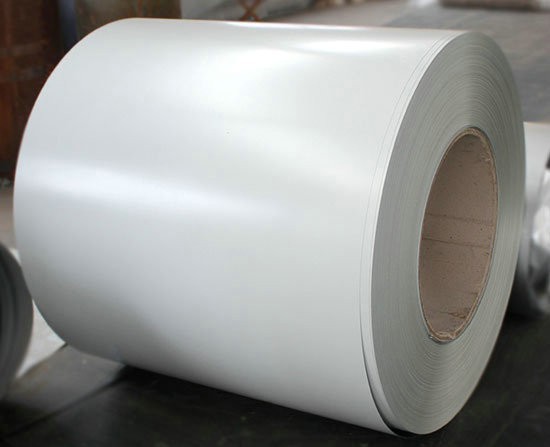
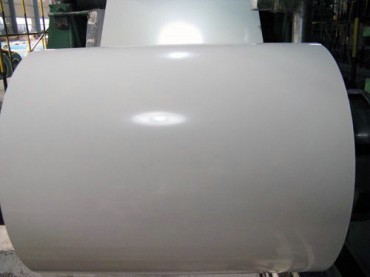
Color coated sheets generally refer to metal sheets that have undergone surface pretreatment and the application of a protective coating. Common substrates include galvanized steel and aluminum-zinc alloy-coated steel. Depending on the product design and manufacturing process, these sheets can be finished with various primers, topcoats, and other coating systems to achieve specific colors, gloss levels, weather resistance, and corrosion resistance.
Although these sheets feature a protective coating, they are not entirely maintenance-free. In outdoor environments, elements such as dust, rainwater residue, bird droppings, leaves, industrial dust, and airborne pollutants can adhere to the surface. If left to accumulate over time, these substances can cause uneven coloration or localized staining; in some cases, prolonged contact with certain pollutants may even adversely affect the coating.
In industrial settings, grease, metal-processing dust, and various chemical pollutants may also accumulate on the sheets. If these pollutants are corrosive—or if unsuitable cleaning chemicals are used—it can accelerate the degradation of the coating or cause surface damage. Therefore, regular inspection and proper cleaning not only help maintain a clean appearance but also extend the effective service life of the coating.
(1) You will need soft cleaning tools, such as a soft sponge, a non-abrasive cloth, or a soft-bristled brush suitable for use on coated surfaces. These tools help remove common dust and stains while minimizing the risk of scratching the surface.
(2) Prepare clean water and a mild, neutral-pH detergent. For general dust, dirt, and light oily residue, you can typically start by rinsing with clean water, followed by cleaning with a diluted neutral detergent if necessary.
(3) Cleaning personnel should prepare appropriate protective gear based on the specific work environment. If the color coated sheets are installed on a roof or a high-altitude wall, the task should be handled by professional maintenance staff using a safe operational plan to prevent accidents caused by slippery surfaces, the risk of falling from edges, or unstable support structures.
The first step in cleaning is to remove loose dust, leaves, small debris, and other easily cleared contaminants from the sheet surface. A soft brush or a low-pressure water stream can be used for this initial cleaning. Any small particles adhering to the surface should be rinsed off or gently removed before wiping. This is crucial because wiping a surface containing grit directly with a cloth can cause the particles to rub against the coating, resulting in fine scratches.
For outdoor-installed color coated sheets, if there is a significant accumulation of mud, sand, or industrial dust, it is advisable to perform a thorough pre-rinse to prevent these particles from being dragged across the sheet surface during the subsequent cleaning process.
For general dust, dirt, and light stains left by rainwater, clean water is often sufficient to remove a substantial portion of the contaminants. When rinsing, use an appropriate water flow, and avoid applying excessive pressure to sheet joints, seals, or other areas not designed to withstand direct water pressure. For large-scale roofing or wall cladding, suitable cleaning equipment may be selected based on site conditions, provided that the manufacturer’s maintenance recommendations are strictly followed.
It is important to note that using high-pressure cleaning equipment does not necessarily yield better results. Excessive water pressure can damage the coating or force water into overlapping joints, sealing structures, and the interior of the building. Therefore, before using high-pressure equipment, verify whether the sheet system is suitable for this cleaning method.
If plain water is insufficient to remove stains, a mild, neutral cleaning agent suitable for the surfaces of color coated sheets may be used. The standard cleaning procedure involves diluting the agent according to the manufacturer’s instructions, then gently cleaning the affected area using a soft sponge, cloth, or soft-bristled brush. Avoid applying excessive force during cleaning, especially on products with a high-gloss finish or a thin coating.
For large contaminated areas, it is advisable to clean in sections to prevent the cleaning agent from remaining on the surface for too long or drying and leaving residue. The concentration of the cleaning agent, contact time, and application method should all follow the product instructions. It is a misconception that a higher concentration of cleaning agent or longer scrubbing time will yield better results.
Color coated sheet surfaces may occasionally be affected by oil, bird droppings, tree resin, or other difficult-to-remove stains. For such contamination, first identify the nature of the stain before selecting an appropriate removal method. For light oil stains, try using a cleaning agent specifically designed for color coated sheets, testing it on a small, inconspicuous area first. For dried mud or other adhered debris, moisten the area with water to soften the substance before gently removing it. For tree resin, adhesives, or unknown chemical contaminants, do not use strong solvents, steel wool, or sharp tools for scraping. Certain solvents can soften the coating, cause discoloration, or result in a loss of gloss, while mechanical scraping may expose the underlying metal substrate.
If a stain cannot be removed safely, consult the manufacturer of the color coated sheets or a professional cleaning service to determine an appropriate treatment plan.
After using a cleaning agent, rinse the surface thoroughly with an ample amount of clean water—following the product’s instructions—to remove any residual cleaning agent and loosened contaminants. Leaving cleaning agent residue on the surface can lead to water spots, uneven coloration, or other aesthetic issues; therefore, do not simply wipe the surface without performing a final rinse. If the water used has a high mineral content, water spots may remain after the water evaporates. For color coated sheets where appearance is critical, select an appropriate water source based on actual conditions, and ensure that cleaning solutions do not dry too quickly—for instance, by avoiding cleaning under intense, direct sunlight.
After rinsing, inspect the surface of the color coated sheets for any remaining stains, detergent residue, or unusual marks. For products that can be wiped, use a soft, clean cloth to gently remove any localized water spots. For most exterior wall and roofing sheets, the surface can typically be left to air-dry, provided there is adequate drainage and ventilation. Once cleaning is complete, check for any signs of coating delamination, scratches, blistering, corrosion, or other anomalies. If significant damage is discovered, address it according to the manufacturer’s repair recommendations rather than attempting to resolve it through repeated cleaning.
Dust and ordinary dirt are the most common surface contaminants. These can generally be removed by first rinsing with clean water, followed by using a soft cleaning tool to address any remaining residue. If dirt has dried and adhered firmly to the sheet surface, thoroughly dampen it with clean water before gentle cleaning. Avoid using hard brushes or abrasive cleaning cloths, as these can damage or wear down the coating.
In areas near factories, machine shops, or industrial warehouses, color coated sheets may accumulate oil, soot, and industrial dust. Light oil stains can be treated with a neutral detergent that has been verified as suitable for use. If the contaminants contain specific chemical components, choose an appropriate cleaning product based on their nature. For industrial pollutants of unknown origin, do not indiscriminately use acidic, alkaline, or solvent-based cleaners. Instead, first identify the nature of the contaminant and assess the compatibility of the cleaning agent with the coating.
If bird droppings or leaf debris remain on the surface of color coated sheets for an extended period, they may leave noticeable stains; some contaminants can even cause localized damage to the coating. To clean, first dampen the affected area with clean water, then gently remove the debris using a soft tool. If stains persist, a mild detergent may be used, following the product’s instructions.
For roof sheets, it is also important to promptly clear leaves and other debris from gutters and downspout openings to prevent drainage obstructions and water accumulation.
In certain environments, water stains, mineral deposits, or other residues may appear on the surface of color coated sheets. For general water stains, try cleaning with clean water and a soft cloth. If deposits are significant, identify their composition before selecting an appropriate cleaning method. The use of strong acids to remove scale or mineral deposits is not recommended, as acidic substances can damage the surface coating and even compromise the protective properties of the underlying metal substrate.
(1) Avoid using steel wool, sandpaper, metal scrapers, or any other highly abrasive tools. Such items can scratch the coating, exposing the metal substrate to the external environment.
(2) Exercise caution when using strong acids, strong alkalis, bleach, or organic solvents that have not been verified as suitable. Chemical resistance varies by coating type; a cleaning agent that is safe for one material may be unsuitable for another.
(3) Do not leave cleaning agents on the sheet surface for an extended period. Even with mild cleaning products, follow the instructions regarding contact time and ensure the surface is thoroughly rinsed after cleaning.
(4) Do not use high-pressure water sprayers without prior verification. Excessive water pressure can damage the surface coating, compromise the integrity of joints, or force water into the building envelope.
(5) Avoid large-scale cleaning under intense, direct sunlight. High temperatures can cause cleaning solutions to evaporate too quickly, increasing the likelihood of water spots and residue formation.
(6) Do not overlook any coating defects discovered during the cleaning process. If the color coated sheet shows signs of peeling, rusting, or exposed substrate, it should undergo professional inspection and repair in accordance with product specifications.
(1) When procuring color coated sheets, select the appropriate substrate, coating system, and specifications based on the intended architectural application and the operating environment. Since different coatings vary in terms of weather resistance, corrosion resistance, and stain resistance, one should not judge a product's suitability based solely on its color or price.
(2) Ensure that the installation process adheres to design requirements. Proper overlapping methods, fastening structures, drainage design, and sealing treatments help minimize moisture retention and the risk of localized corrosion.
(3) Avoid causing unnecessary mechanical damage to the color-coated sheets during daily use. For instance, tools, metal components, or other hard objects should not be dragged across the coated surface.
(4) Periodically inspect the condition of the sheets and promptly address any minor coating damage. When selecting repair materials, ensure they are compatible with the original coating system and apply them according to the manufacturer’s technical recommendations.
(5) Establish a reasonable cleaning and maintenance schedule tailored to the specific environment. Through proper material selection, standardized installation, gentle cleaning, and timely repairs, the appearance and protective performance of color coated sheets can be effectively maintained.
In general, the key to cleaning color coated sheets lies in using gentle, appropriate cleaning methods: first, remove loose dust; then, depending on the type of stain, use clean water or a suitable cleaning agent; finally, rinse the surface thoroughly and inspect its condition. Whether used for building roofs, exterior walls, industrial facilities, warehouses, or the manufacturing of home appliances, proper maintenance helps preserve the material's appearance and reduces the risk of unnecessary coating damage. During cleaning, avoid using abrasive tools, unverified strong acids or alkalis, or solvents that could damage the coating. Additionally, pay close attention to areas such as drainage points, connections, and spots prone to localized corrosion.
As building materials and metal surface treatment technologies continue to evolve, the application of color coated sheets in industrial and commercial construction, as well as in various metal products, is expected to expand further. Mastering scientific cleaning and maintenance methods not only keeps color-coated sheets clean and aesthetically pleasing, but also helps extend the effective service life of the coating, providing more reliable long-term protection for buildings and industrial facilities.
China galvanized plate manufacturer: Boxing Shuangshengda Steel specializes in galvanized sheet, galvanized steel plate,Colour steel plate etc.We have a full range of product specifications and types, low prices, and more than 20 years of experience, worthy of your trust
 Address:Bo Xing County, Shandong Province
 E-mail: