
 Language


More Language
Language
Galvanized steel plate is a widely used metal material in construction, industrial manufacturing, the automotive sector, home appliances, mechanical equipment, and steel structure engineering. Thanks to its excellent corrosion resistance, long service life, and low maintenance costs, it is extensively used in indoor and outdoor building structures, roofing systems, ventilation equipment, piping, and various metal products.
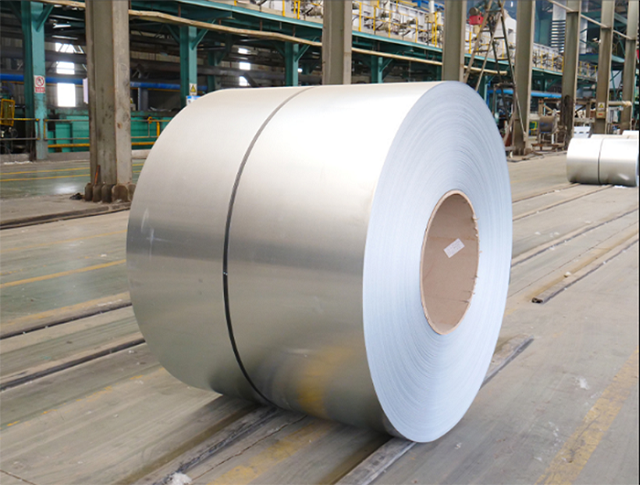
Galvanized steel plate refers to a steel product featuring a protective layer of zinc metal covering the surface of ordinary steel plate. Conventional steel is primarily composed of iron, an element that readily reacts chemically with oxygen and moisture in humid air to form rust. To enhance corrosion resistance, industrial processes typically employ galvanization to create a zinc layer on the steel surface.
Depending on the production process, galvanized steel plates mainly include hot-dip galvanized steel, electro-galvanized steel, and galvannealed (alloyed) steel.
Among these, hot-dip galvanized steel is the most widely used. It is produced by immersing the steel plate in a bath of molten zinc, allowing the zinc to bond with the steel surface and form a protective layer of a specific thickness. This zinc layer not only blocks moisture and oxygen from the external environment but also slows the rate of steel corrosion through electrochemical protection.
Characterized by corrosion resistance, high strength, and ease of processing, galvanized steel plate has become a vital fundamental material in modern industry and construction.
The zinc layer on the surface of the galvanized steel plate isolates the steel from direct contact with the external environment. Moisture, oxygen, and certain corrosive substances in the air come into contact with the zinc layer first, rather than the underlying steel substrate. As long as the zinc layer remains intact, the steel beneath is effectively protected. This mechanism acts much like a protective coating, ensuring the steel remains stable over an extended period.
Compared to ordinary coated steel plates, a key advantage of galvanized steel is the electrochemical protection provided by the zinc layer. If the zinc coating is scratched or locally damaged, the zinc oxidizes more readily than the iron. Under certain conditions, the zinc corrodes preferentially, thereby protecting the exposed steel. This mechanism is known as sacrificial anode protection.
Consequently, even if minor scratches appear on the surface, galvanized steel does not rust as quickly or easily as ordinary steel.
In normal environments, the zinc layer corrodes slowly. Over time, a stable protective film of oxides and carbonates forms on the zinc surface. This film further slows the rate of ongoing corrosion.
Therefore, high-quality galvanized steel plates generally maintain their protective performance for an extended period.
Although galvanized steel plate offers excellent corrosion resistance, it is not immune to rusting. The following factors can lead to corrosion:
The protective capability of galvanized steel plate depends on the thickness of the zinc layer. With prolonged use, the zinc layer gradually wears away due to environmental exposure.
When the zinc layer is depleted to the point where it can no longer protect the underlying steel, the base metal may become exposed and begin to rust. Thus, the thickness of the zinc coating is a critical factor determining the product's service life.
The operating environment directly affects the lifespan of galvanized steel. Examples include high-salinity coastal areas, regions with chemical pollution, areas with high humidity, and locations involving prolonged contact with acidic or alkaline substances. Corrosive agents in these environments can accelerate the depletion of the zinc layer, making the steel more susceptible to corrosion.
Coastal areas, in particular, pose a higher risk of metal corrosion due to airborne salt, necessitating the use of products with higher levels of corrosion protection.
Although the galvanized coating offers some degree of self-protection, the underlying steel substrate may become exposed if the plate sustains severe mechanical damage—such as deep scratches, large-area impacts, or untreated cut edges. Prolonged exposure to humid environments can cause rust to gradually appear in these exposed areas.
During processing—such as shearing, punching, or welding—galvanized steel plates may lose the protection of the original zinc coating in certain areas. Cut edges, in particular, are more susceptible to corrosion than intact surfaces if appropriate protective measures are not taken. Therefore, edges of processed galvanized steel products should undergo necessary treatment based on the intended operating environment.
Storage conditions also affect the quality of galvanized steel plates. Stacking plates in a humid environment for extended periods, where water accumulates between them, can lead to "white rust" or other forms of corrosion. Consequently, galvanized steel plates should be stored in dry, well-ventilated areas, protected from prolonged rain exposure, and kept free of accumulated moisture between the plates.
White rust is a common early-stage corrosion phenomenon in galvanized steel plates, typically manifesting as a white, powdery substance on the surface. It is primarily a corrosion product formed by zinc in a humid environment. If storage conditions are improved promptly, minor white rust generally does not immediately compromise the overall performance of the steel plate.
Red rust usually indicates that the steel substrate itself has begun to corrode. Once the zinc coating is depleted or severely damaged, the iron reacts with oxygen and moisture to form reddish-brown rust. Red rust is generally more concerning than white rust, as it signals a compromise in the steel's protective layer.
Localized corrosion can occur at scratches, cut edges, welded areas, and connection points. This type of corrosion is typically associated with the local environment, moisture accumulation, and damage to the protective coating. Therefore, special attention should be paid to these vulnerable areas during installation and processing.
The service life of galvanized steel plates is influenced by several factors, including the thickness of the zinc coating, the quality of the steel plate, the operating environment, the installation method, and subsequent maintenance.
In ordinary environments, galvanized steel plates generally offer a long service life. For instance, corrosion rates are slower in indoor environments; in typical outdoor settings, the impact of rain and sunlight must be considered; and in coastal or industrial environments, a higher level of protection is required.
It is impossible to assign a single, fixed lifespan to all galvanized steel plates, as application conditions vary significantly. For building roofing, wall cladding, and steel structure projects, the appropriate galvanized product should be selected based on local environmental conditions and design requirements.
An optimal zinc coating thickness generally provides superior protection. Different applications require different galvanizing standards—such as indoor use, standard building construction, outdoor steel structures, or highly corrosive environments—each necessitating a specific level of protection.
Efforts should be made to prevent severe impacts and scratches during transportation and installation. If significant surface damage occurs, it should be inspected and repaired promptly.
For architectural applications—such as galvanized roofing and wall panels—prolonged water accumulation should be avoided. Proper drainage design minimizes the time the steel plates remain in a damp state.
Critical equipment and structural components should undergo regular inspections to check for surface corrosion, damage at connection points, or rust along the edges. Detecting issues early can reduce future maintenance costs.
In specialized environments, an additional protective coating—such as paint or another anti-corrosion system—can be applied to the surface of the galvanized steel plate. Combining the zinc coating with an additional layer can further enhance corrosion resistance.
Due to their excellent corrosion resistance and workability, galvanized steel plates are widely used across various industries.
Galvanized steel plates are commonly used for: roofing panels, wall panels, steel structures, ventilation ducts, and architectural decorative materials.
The automotive industry uses galvanized steel plates for certain body structures to enhance corrosion resistance.
Galvanized steel plates may serve as the base material for products such as refrigerator, washing machine, and air conditioner casings.
Galvanized steel plates are widely used in areas such as machinery casings, storage equipment, and piping systems.
Galvanized steel plates are frequently used in agricultural greenhouses, storage facilities, and certain steel-structured buildings.
Ordinary steel plates lack an additional protective layer and are prone to corrosion when directly exposed to air and moisture. In contrast, galvanized steel plates feature a protective zinc coating; consequently, in identical environments, their corrosion resistance is typically significantly superior to that of ordinary steel plates.
For long-term use, ordinary steel plates generally require protection via painting, anti-corrosion coatings, or other methods. Galvanized steel plates, however, come with a built-in protective layer from the manufacturing process, thereby reducing the need for subsequent maintenance.
However, galvanized steel plates do not completely replace all anti-corrosion solutions. In extremely corrosive environments, a more comprehensive protection system tailored to specific conditions may still be required.
The thickness and uniformity of the zinc coating directly affect corrosion resistance.
The quality of the base steel material influences the performance of the final product.
Before purchasing, clarify where the product will be used—such as indoors, outdoors, in coastal areas, or in industrial zones.
If the product requires bending, stamping, or cutting, verify that the galvanized coating is suitable for such subsequent processing.
Stable production processes and quality control ensure more reliable product performance.
Galvanized steel plates are not immune to rusting forever; however, thanks to the protective zinc coating on their surface, their corrosion resistance is generally superior to that of ordinary steel plates. Under normal operating conditions, high-quality galvanized steel plates can maintain stable performance over an extended period. Their service life can be effectively prolonged through the selection of suitable products, proper installation, and regular maintenance. With their excellent corrosion resistance, high strength, and wide range of applications, galvanized steel plates will continue to play a vital role in sectors such as construction, industrial manufacturing, transportation, and infrastructure.
China galvanized plate manufacturer: Boxing Shuangshengda Steel specializes in galvanized sheet, galvanized steel plate,Colour steel plate etc.We have a full range of product specifications and types, low prices, and more than 20 years of experience, worthy of your trust

 Address:Bo Xing County, Shandong Province
 E-mail: