
 Language


More Language
Language
Galvanized steel plate is a widely used metal material, valued for its excellent corrosion resistance, ease of processing, and practical utility. The surface is covered with a layer of zinc, which acts as a barrier against external moisture and corrosive agents. Furthermore, the zinc provides "sacrificial anode" protection, slowing the corrosion of the underlying steel substrate. Consequently, galvanized steel is extensively used in applications such as building roofing and wall cladding, industrial facilities, ventilation ducts, automotive parts, home appliance casings, and the manufacturing of machinery and equipment.
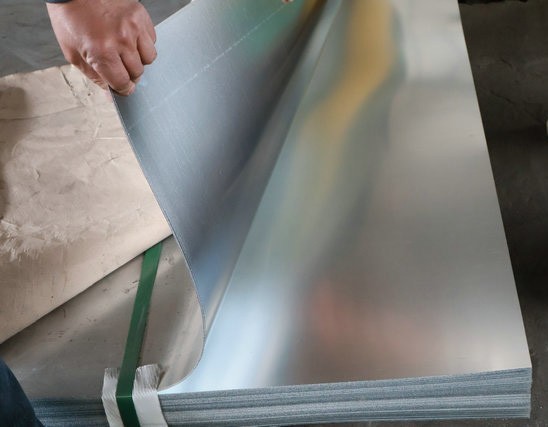
Galvanized steel plate consists of a standard steel substrate coated with a layer of zinc, applied through processes such as hot-dip galvanizing or electro-galvanizing. This zinc layer provides anti-corrosion protection, offering superior resistance to corrosion in humid or typical atmospheric environments compared to uncoated steel.
Currently, the most common types are hot-dip galvanized steel and electro-galvanized steel.
Hot-dip galvanized steel is produced by immersing pre-treated steel into a bath of molten zinc. This creates a robust zinc coating that offers strong corrosion resistance, making it ideal for construction, automotive applications, industrial equipment, and metal structural components.
Electro-galvanized steel is produced by depositing a zinc layer onto the steel surface via an electrochemical process. This results in a highly uniform and smooth surface, making it well-suited for home appliances, automotive parts, and products that require a high-quality surface finish.
Because the surface of galvanized steel is not bare metal but rather a protective zinc coating, any cleaning process must focus not only on removing stains but also on preserving this existing zinc layer.
It is important to note that while cleaning can improve the appearance of galvanized steel, it cannot restore a zinc coating that has already peeled off or suffered severe corrosion. If the coating is damaged, appropriate repair or re-galvanizing (anti-corrosion treatment) measures must be taken, depending on the extent of the damage.
At construction sites, in industrial facilities, or in outdoor storage areas, galvanized steel plates are frequently exposed to airborne dust, dirt, cement powder, and other particulate matter. When these pollutants accumulate on the surface over time, they obscure the original metallic luster, causing the surface to appear dull, grayish, or lackluster. In industrial environments, the plates may also be affected by soot, oil mists, and other contaminants. Consequently, regular cleaning is essential for maintaining the appearance of galvanized steel plates.
During production, cutting, stamping, bending, or transportation, residues such as lubricating oils, processing fluids, anti-rust oils, or other contaminants may remain on the surface of galvanized steel plates. These oily substances form an uneven film, which detracts from the plate's original appearance. Furthermore, for plates intended for subsequent processes—such as painting or bonding—surface oil residues can impair coating adhesion; therefore, it is necessary to employ cleaning methods specifically suited for galvanized substrates.
When galvanized steel plates are stored in humid environments for extended periods, moisture that fails to evaporate can lead to the formation of water stains or "white rust." White rust typically manifests as white, off-white, or powdery deposits, resulting from the corrosion of the zinc layer under damp conditions. While minor white rust may only affect localized areas, prolonged exposure to humid, poorly ventilated environments can cause the corrosion to spread.
During long-term outdoor use, the zinc layer on galvanized steel plates gradually reacts with oxygen, moisture, and carbon dioxide in the air, forming surface corrosion products that provide a degree of protection. Over time, the color and luster of the surface may shift—for instance, transitioning from a bright, silvery-white to a dull gray. This is a normal aging process for a zinc layer in a natural environment and does not necessarily indicate that its anti-corrosion performance has failed. (5) Surface Scratches and Mechanical Damage
During transportation, handling, processing, or installation, galvanized steel plates may sustain scratches or localized damage to the zinc coating due to impacts, friction, or contact with sharp objects. If the damage is limited to surface staining, the appearance can usually be improved through cleaning. However, if the zinc coating has been compromised and the underlying steel substrate is exposed, the risk of corrosion must be further evaluated.
If the surface of the galvanized steel plate is primarily covered with dust, dirt, or loose particles, it can first be rinsed with clean water. When rinsing, be mindful of water pressure; avoid using high-pressure streams that could further damage existing defects in the coating or affect joints and connections. For large steel plates, metal roofing, or the casings of industrial equipment, appropriate low-pressure cleaning equipment may be used to help remove loose surface debris.
After rinsing, ensure that any standing water is promptly removed—paying particular attention to seams, folds, and overlapping areas—to prevent moisture from remaining on the surface for an extended period.
If clean water is insufficient to remove oily residues or stubborn, adherent stains, a neutral or mild detergent suitable for galvanized metal surfaces may be used.
The general cleaning process can be carried out as follows: First, remove any loose dust and particles from the surface. Next, dilute the detergent according to the manufacturer’s instructions and perform a small-scale test in an inconspicuous area. Then, gently wipe the stained areas using a soft sponge, cotton cloth, or soft-bristled brush; avoid applying excessive friction. Finally, rinse thoroughly with clean water to remove any detergent residue, and wipe the surface dry with a clean, soft cloth. For large galvanized steel plates, clean the surface in sections to prevent the detergent from remaining on the material for too long.
If the surface of the galvanized steel plate is contaminated with processing oils, lubricants, or other oily substances, consider using a degreasing product specifically formulated for galvanized surfaces. When selecting a degreasing product, ensure it is compatible with the zinc coating and follow the manufacturer’s instructions. Different types of contaminants require different cleaning methods; while ordinary dust does not necessitate a heavy-duty degreaser, stubborn, oily residues may require specialized cleaning agents. For galvanized steel plates intended for painting or bonding, it is essential to ensure that no cleaning agent residue remains on the surface, as this could impair the adhesion of subsequent coatings or adhesives.
After cleaning, the surface of the steel plate can be wiped with a soft, clean cotton or microfiber cloth. Wipe gently in a single, consistent direction, and avoid using any cloth that may contain metallic particles or hard impurities. If the surface is affected only by dust or water spots, cleaning and drying are usually sufficient to restore a clean appearance. Please note that routine wiping only removes surface contaminants; it cannot reverse the aging of the zinc coating or repair areas where the coating has already peeled away.
If the white rust covers a small area and is minor in severity, begin by using a gentle cleaning method to remove any loose surface deposits. Before cleaning, inspect the surface for signs of significant zinc coating delamination, deep corrosion, or other damage. For light surface deposits, use a soft brush or cloth to clean the area gently, then proceed with cleaning and drying in accordance with the material specifications and product requirements. Once treated, check the surface for any remaining signs of corrosion and improve storage conditions to prevent future exposure to moisture or standing water.
If the white rust covers a large area, consists of thick deposits, or if the zinc coating is found to be significantly damaged after cleaning, the issue cannot be treated as a simple stain. In such cases, it is necessary to assess the remaining thickness of the zinc coating, the depth of the corrosion, and whether the underlying steel substrate has been exposed. For steel plates that still retain a degree of protective zinc coating, appropriate surface treatment may be applied in accordance with material standards and professional recommendations. If the zinc coating has suffered significant loss, local repair or a complete re-application of anti-corrosion treatment should be considered.
It is important to note that a more thorough removal of "white rust" does not necessarily mean the steel plate’s anti-corrosion performance has been restored to its original level. The true determinant of anti-corrosion capability is the condition and thickness of the remaining zinc coating.
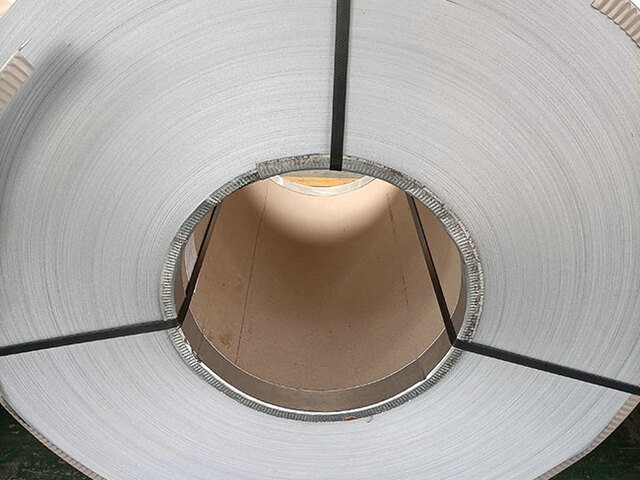
Upon discovering red rust, the first step is to examine the location, surface area, and depth of the corrosion. If the corrosion is limited to a small, localized area, you can evaluate whether it is feasible to perform repairs. If red rust has spread extensively, or if the steel plate exhibits noticeable pitting, perforation, deformation, or a reduction in thickness, you must determine whether the material still meets the necessary structural and operational requirements. For steel components that serve load-bearing or safety-critical functions, suitability for continued use should not be judged solely by surface appearance; instead, a professional inspection and assessment are required.
For localized areas deemed repairable, loose rust and contaminants must be removed using appropriate repair procedures. During cleaning, take care to avoid excessive grinding of the surrounding, intact zinc coating, as this could expand the area of damage. The specific tools and methods used should be selected based on the thickness of the steel plate, the condition of the zinc coating, and the requirements of the repair materials.
When the zinc coating is damaged and the underlying substrate is exposed, you can apply a zinc-rich coating or a specialized galvanized repair material—designed for use on galvanized steel—in accordance with relevant standards and product instructions. These materials form a protective layer on the properly prepared surface, providing a degree of anti-corrosion protection to the affected area. Before repair, ensure the surface is clean and dry, and treat the substrate as specified by the product manufacturer. It should be understood that a zinc-rich repair coating is not equivalent to the original hot-dip galvanizing process. For components with stringent requirements, the decision to re-galvanize or replace the material should be based on design standards and professional assessment.
Galvanized steel plates may sustain varying degrees of scratches during processing, transportation, and installation. The appropriate course of action depends on whether the scratch has compromised the zinc coating. If the scratch consists merely of surface debris or a minor abrasion that has not damaged the coating, the area should first be cleaned and then inspected. If the scratch is deep enough to expose the underlying steel substrate, localized anti-corrosion repair is required.
- Assess the depth and extent of the scratch, and verify the integrity of the surrounding zinc coating.
- Remove oil, dust, and loose corrosion products from the scratched area to ensure the surface is suitable for the application of repair materials.
- Select a zinc-rich coating or another approved repair product, following the manufacturer’s instructions.
- Apply the coating and ensure proper drying conditions as specified by the product, then inspect the repaired area to confirm that the coating is continuous and intact.
For steel components with high aesthetic requirements, consider potential color discrepancies between the repair material and the original surface. While localized repairs can restore anti-corrosion performance, they may not perfectly replicate the color and luster of the original galvanized surface.
(1) Avoid strong acid cleaners: Strong acids can react with zinc, damaging the coating and potentially exposing the steel substrate. Therefore, strong acids—such as hydrochloric acid—should not be used to clean galvanized steel.
(2) Avoid strong alkaline cleaners: Certain highly alkaline cleaning products can also adversely affect the zinc coating. For any cleaner with an unclear composition or scope of application, consult the product instructions and perform a compatibility test on a small, inconspicuous area first.
(3) Avoid excessive abrasion with wire brushes or coarse sandpaper: Such tools can remove the existing zinc coating. When cleaning white rust or surface stains, do not over-abrade the surface in an attempt to achieve a "bright" finish.
(4) Do not simply paint over areas with severe rust: If the galvanized steel exhibits red rust or significant corrosion, it cannot be adequately addressed by merely applying standard paint. Instead, assess the extent of the corrosion, treat the affected areas, and then select a repair system specifically designed for galvanized substrates.
(5) Do not allow cleaning agents to remain on the surface for extended periods: If not rinsed off promptly, some cleaning agents may leave residues that affect the condition of the steel surface. After cleaning, the surface should be thoroughly rinsed and dried in accordance with the product’s instructions.
To restore galvanized steel plate to a "like-new" condition, one must first identify the specific cause of any surface issues. It is crucial to note that the corrosion resistance of galvanized steel is primarily derived from its zinc coating. While cleaning can improve appearance, it cannot restore a zinc layer that has already been lost. Therefore, maintenance procedures should avoid the use of strong acids, strong alkalis, or abrasive grinding—methods that could damage the protective coating.
Through proper cleaning, timely repair, and appropriate storage, surface contamination and corrosion of galvanized steel plate can be minimized, extending the material's service life while maintaining its appearance and protective properties. In sectors such as construction, machinery manufacturing, and industrial equipment, regular maintenance of galvanized steel plate not only enhances the product's visual appeal but also serves as an essential measure for reducing long-term maintenance costs.
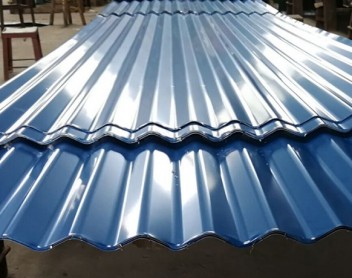
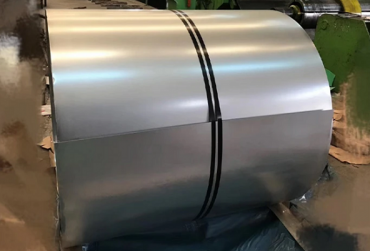
China galvanized plate manufacturer: Boxing Shuangshengda Steel specializes in galvanized sheet, galvanized steel plate,Colour steel plate etc.We have a full range of product specifications and types, low prices, and more than 20 years of experience, worthy of your trust
 Address:Bo Xing County, Shandong Province
 E-mail: