
 Language


More Language
Language
With the advancement of architectural decoration, industrial manufacturing, and new material technologies, market demands for panels have evolved beyond basic strength and durability. Factors such as corrosion resistance, ease of cleaning, stain resistance, aesthetic appeal, and long-term lifecycle costs have become increasingly important considerations for businesses and consumers when selecting materials. Against this backdrop, nanotechnology is being integrated into various surface coatings and composite materials, drawing growing attention to "nano-plates."
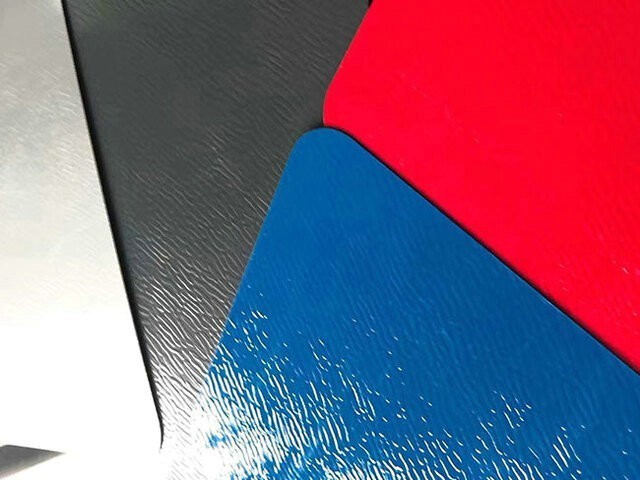
Nano-plates generally refer to panels that incorporate nanomaterials, nanoscale functional coatings, or specialized surface treatments to enhance specific material properties. The substrate can be steel, aluminum, or other suitable materials, with the surface treated—via coating, modification, or composite processing—to meet specific functional requirements.
A core characteristic of nanotechnology is the ability to manipulate material structures and surface properties at an extremely small scale. By carefully designing coating compositions, surface microstructures, and the interfaces between different materials, it is possible to improve a panel’s stain resistance, wettability, weather resistance, or other surface attributes under specific conditions.
For instance, certain functional coatings can reduce the adhesion of contaminants, making it easier for dust and other pollutants to be washed away by rain or during routine cleaning. Other coatings may enhance surface density, thereby improving the material's resistance to moisture or corrosive agents. The specific performance depends on factors such as the coating formulation, thickness, substrate quality, application process, and the operating environment.
In the context of metal nano-plates used in construction, the product typically consists of a metal substrate—which provides structural strength and essential mechanical properties—and a functional surface coating that serves decorative or protective purposes. Together, these components determine the overall performance of the panel.
Architectural roofing is a key application area for panels featuring functional nano plates. In industrial facilities, warehouses, commercial buildings, and certain public structures, metal panels are frequently used due to their relatively low weight, high installation efficiency, and ease of fabrication and shaping. By applying appropriate surface coatings, metal panels can achieve specific decorative effects and enhanced surface protection.
In roofing applications, functional nano plates may help reduce the accumulation of dust, dirt, and pollutants on the panel surface. If a product features proven "easy-clean" properties, routine maintenance can be more convenient. However, the actual cleaning performance remains dependent on factors such as roof slope, rainfall, the surrounding environment, and the nature of the contaminants.
For industrial facilities and warehouses, roofing materials must not only possess adequate structural strength but also meet requirements for weather resistance and corrosion protection tailored to the local climate. Coastal areas may be subject to salt spray, industrial zones may face chemical pollution, and regions with high UV exposure require coatings with superior weatherability.
Therefore, when selecting nano plates for roofing, a comprehensive evaluation—considering the building's intended use, design loads, climatic conditions, and maintenance requirements—is essential. Suitability should not be judged solely based on the name of the coating.
Nano plates can also be applied to building facades and metal envelope systems. Modern industrial facilities, commercial complexes, and certain public buildings increasingly prioritize both aesthetic design and long-term maintenance costs; surface treatment technologies offer a wider range of options regarding color, gloss, and functionality.
Depending on the specific coating system, functional nano plates can enhance surface cleanability, weather resistance, or protection against specific environmental stressors. For buildings where maintaining a pristine appearance over the long term is a priority, easy-clean surfaces can help reduce the frequency of cleaning.
However, because facade panels are continuously exposed to sunlight, rain, wind-blown debris, and temperature fluctuations, their actual service life depends not only on the coating but also on the thickness of the metal substrate, the quality of the metallic coating (galvanization/plating), installation methods, the integrity of fasteners, and the design of the drainage system. For instance, if the cut edges of a panel are left unprotected, or if the surface is scratched during installation, localized corrosion may occur—even if the panel features a functional coating. Consequently, proper handling, transportation, installation, and maintenance are equally critical.
Industrial facilities and warehouses typically require roofing and wall-cladding materials that cover large surface areas. For this type of construction, material selection must account for not only initial procurement costs but also installation efficiency, the operating environment, and long-term maintenance requirements. Under appropriate design conditions, metal panels with nano plates can be utilized for factory roofing, exterior wall cladding, warehouse partitions, and various auxiliary building structures. Their advantages may include enhanced surface cleanliness, protection, or decorative appeal; however, specific performance characteristics must be verified through product testing.
For instance, a standard industrial warehouse might prioritize weather resistance, structural strength, and cost-effectiveness. A food processing plant, by contrast, would likely emphasize hygiene management, environmental adaptability, and compliance with specific sanitary standards. In chemical plants, it is also necessary to assess how airborne chemical substances might affect both the coating and the substrate. It is important to note that a standard nano plate does not automatically confer specialized properties such as antibacterial capabilities, food-contact safety, or resistance to highly corrosive media. If a project requires such features, one must select specialized products that meet the relevant standards and have been duly verified.
Certain panels with nano functional plates can be applied to interior walls, ceilings, decorative partitions, and other interior surfaces. For spaces that require a balance of aesthetic appeal, ease of cleaning, and daily durability, these surface-treated panels offer a viable material option.
In commercial spaces, offices, certain public buildings, and industrial support areas, these panels can be customized with various colors, textures, and surface finishes to suit specific design requirements. Coatings designed for easy cleaning may help reduce the maintenance burden associated with fingerprints, dust, or certain types of stains. However, suitability for interior use varies by product. Before application, it is essential to verify factors such as wear resistance, compatibility with cleaning agents, fire performance, and compliance with specific indoor environmental requirements. If the panels are to be used in food processing facilities, medical settings, or other areas with strict sanitary regulations, it is also necessary to confirm that the products meet the relevant industry standards.
In certain industrial applications, panels with nano-functional plates can be used for equipment enclosures, cladding, protective panels, and decorative metal components. In such cases, the panels are generally expected to meet fundamental mechanical requirements while providing effective surface protection and the desired aesthetic appearance. For instance, some equipment is installed outdoors, where it is constantly exposed to rain, dust, and sunlight; in such cases, the weather resistance of the coating and the corrosion resistance of the substrate are critical. Other equipment is installed indoors, where the focus shifts toward surface wear resistance, ease of cleaning, and color stability. However, the operating environments for equipment enclosures vary significantly. In settings involving high temperatures, oil, solvents, acidic or alkaline substances, or intense mechanical abrasion, standard nano plates designed for general construction may not be suitable. When selecting materials, it is essential to identify the specific substances the panels will come into contact with, the operating temperatures, and the functional requirements, and then verify whether the materials have undergone relevant testing.
Certain functional nano plates can reduce the adhesion of specific contaminants by modifying surface energy, wettability, or microstructure. This means that, under appropriate conditions, some types of stains may be easier to remove from the panel surface.
For example, building facades and roofs are prone to the accumulation of dust, rainwater residue, and airborne pollutants. Coatings with proven anti-fouling or "easy-to-clean" properties may help mitigate some surface contamination issues. However, anti-fouling capabilities do not mean the panels will never get dirty. Oily substances, long-term accumulation of grime, industrial deposits, or biological growth may still require specialized cleaning methods. Claims regarding anti-fouling effectiveness in product marketing should always be evaluated in the context of the specific test conditions used.
In an effective coating system, the surface layer acts as a protective barrier, limiting direct contact between the substrate and moisture or corrosive agents. For metal panels, corrosion resistance is closely linked to the substrate composition, the quality of any metallic plating, the structure of the coating, the treatment of edges, and the operating environment. While nanomaterials may be incorporated into coating formulations to enhance specific properties, not all nano plates offer the same level of corrosion protection. Therefore, for applications in coastal areas, regions with industrial pollution, or other environments with a high risk of corrosion, it is crucial to examine the product’s corrosion-resistance test results and verify its intended operating environment, rather than relying solely on the product name.
Building panels exposed to outdoor environments over long periods are subject to factors such as ultraviolet (UV) radiation, precipitation, temperature fluctuations, and air pollution. Well-designed coatings can help these panels meet the weather-resistance requirements of specific environments. Weather resistance is typically evaluated based on criteria such as color retention, gloss stability, coating adhesion, and surface integrity. While functional nanomaterials may be used to enhance certain coating properties, their actual effectiveness depends on the overall coating formulation and the production process. When procuring such materials, you may request that suppliers provide weather-resistance test data relevant to the intended application environment, while also verifying the testing methods, test durations, and the scope of applicability.
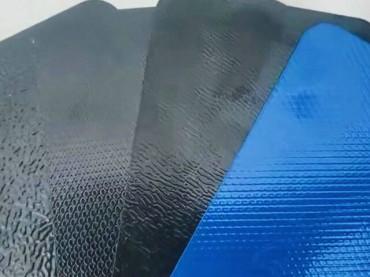
The surface appearance of "nano plates" can be tailored through specific coating types and manufacturing processes—offering various colors, gloss levels, or textures—to meet the decorative requirements of architectural and industrial applications. In construction projects, visual consistency is often critical to the overall design outcome. When selecting panels, it is important to assess color consistency across different batches, surface uniformity, and the final appearance after fabrication. It should be noted that surface aesthetics do not serve as an indicator of a material’s mechanical properties or level of protection. Procurement teams should evaluate visual requirements separately from technical parameters such as substrate thickness and coating quality.
If a nano plate features a proven "easy-to-clean" coating, it may be simpler to remove common types of dirt or grime, thereby reducing the effort required for maintenance. However, "easy-to-clean" does not mean "maintenance-free." Over the course of long-term use, these panels may still require periodic inspection and cleaning—particularly in environments characterized by high dust levels, significant pollution, or insufficient rainfall. Cleaning should always follow the manufacturer’s recommendations; avoid using strong acids, strong alkalis, abrasive materials, or incompatible chemical agents that could damage the coating.
(1) The substrate is a key factor in overall durability. For metal panels, the quality, thickness, and surface pre-treatment of the steel or aluminum substrate directly impact the performance of the final product. If the substrate itself fails to meet the necessary requirements for the intended application, relying solely on a surface coating is generally insufficient to compensate for such underlying deficiencies.
(2) The quality and adhesion of the coating are also critical. If a coating suffers from uneven thickness, poor adhesion, or insufficient curing, it may lead to issues such as peeling, flaking, fading, or a localized reduction in protective performance over long-term use.
(3) The processing and installation phases influence the actual performance of the panels. Any scratching of the coating or damage to the protective layer along the edges—which can occur during cutting, bending, or handling—may increase the risk of localized corrosion. Furthermore, employing appropriate fasteners and incorporating effective drainage designs during installation helps minimize water accumulation and other detrimental factors.
(4) Environmental conditions cannot be overlooked. Factors such as salt spray in coastal regions, chemical pollution in industrial areas, intense ultraviolet (UV) radiation, and frequent temperature fluctuations can all affect the durability of both the coating and the substrate. Consequently, the same type of panel may yield different performance outcomes depending on the region in which it is used.
(5) Proper cleaning and maintenance are equally important. Regularly inspecting the panel surfaces, promptly removing deposits that could trigger corrosion, and addressing any damaged areas in accordance with the manufacturer’s specifications can help extend the effective service life of the panels.
"Nano plates" refer to a category of panel products that incorporate functional nano-coatings, nanomaterials, or related surface-treatment technologies. Ultimately, the value of a nano plate does not lie in the inclusion of the term "nano" in its name, but rather in whether its specific material design meets the requirements of its intended application. Only by selecting products well-suited to the specific environment—complemented by proper processing, installation, and maintenance—can the full performance advantages of these panels be realized, leading to a more cost-effective, long-term solution.
China galvanized plate manufacturer: Boxing Shuangshengda Steel specializes in galvanized sheet, galvanized steel plate,Colour steel plate etc.We have a full range of product specifications and types, low prices, and more than 20 years of experience, worthy of your trust
 Address:Bo Xing County, Shandong Province
 E-mail: