
 Language


More Language
Language
With the continuous development of modern architecture, decoration, and industrial manufacturing, requirements for building materials have moved beyond mere strength and durability; the ability of a material to retain its appearance has also become a key consideration. Thanks to their rich color options, light weight, excellent corrosion resistance, and ease of processing, color aluminum plates are widely used in roofing, wall cladding, doors and windows, curtain walls, and various industrial products.
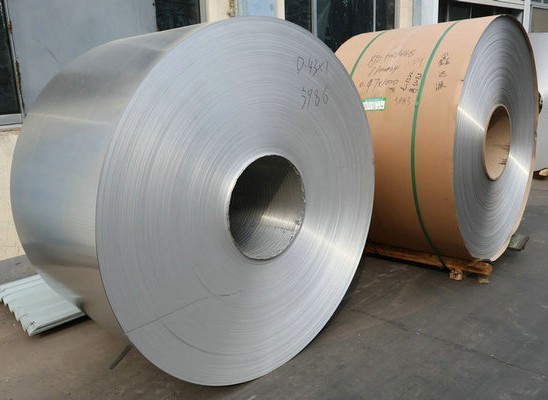
Color aluminum plates are aluminum alloy plates that have undergone surface coating treatment. Typically, an aluminum plate serves as the base material; through processes such as cleaning, pre-treatment, coating application, and baking, a colored, protective coating is formed on the surface.
Compared to standard aluminum plates, color-coated versions offer not only the inherent properties of aluminum but also enhanced decorative and functional qualities. Common colors include white, gray, blue, red, green, metallic shades, and wood-grain finishes. The wide range of color choices allows these plates to meet the needs of diverse architectural design styles.
The color on the surface of these plates comes primarily from pigments within the coating. During long-term use, the coating may be affected by external factors, causing the color to change gradually. Common influencing factors include:
UV rays in sunlight are a major factor affecting color stability. Prolonged exposure to intense sunlight can alter certain pigments in the coating, leading to gradual fading. Weather resistance is particularly crucial in regions with long hours of sunshine.
Environmental conditions vary by region, impacting color aluminum plates differently. Examples include high-temperature areas, coastal regions, zones with industrial pollution, and areas with high humidity. These environmental factors can accelerate the aging of the coating.
A plate's susceptibility to fading is directly related to the quality of its surface coating. High-quality coatings generally offer superior UV resistance, weatherability, color retention, and resistance to aging. In contrast, lower-quality coatings may exhibit noticeable color changes within a relatively short period.
Modern production of color aluminum plates typically employs advanced coating technologies to enhance product durability. Common coating types include:
Polyester coating is a common material for color-coated architectural plates. It offers good decorative qualities and processability, making it suitable for standard architectural environments.
Fluorocarbon coatings offer superior weather resistance. Due to their excellent UV resistance and color retention capabilities, they are frequently used in projects requiring long service lives, such as high-rise exterior walls, public buildings, and large-scale curtain wall projects.
Some color aluminum plates utilize specially designed high-weather-resistance coatings to further enhance stability during outdoor use.
The service life of color aluminum plates is influenced by various factors. Generally, high-quality plates maintain stable aesthetics for a long time in standard architectural environments. Actual longevity depends on:
Aluminum plate thickness; coating type; coating thickness; manufacturing quality; installation method; and local environmental conditions. For instance, in typical inland areas, environmental impact is relatively low, and color retention is usually longer. Conversely, in coastal regions or areas with high temperatures and intense UV radiation, products with superior weather resistance should be selected.
Different colors vary in their sensitivity to light. Generally, dark-colored products absorb more solar heat; consequently, after prolonged exposure, they may be more prone to noticeable changes than light-colored products. Examples include dark red, dark blue, dark green, and black.
Light-colored products—such as white, light gray, and silver—typically offer better visual stability. However, actual performance still depends on pigment quality and coating technology; one cannot simply assume that a specific color will inevitably fade.
To extend the service life of color aluminum plates, consider the following aspects regarding selection and maintenance:
(1)Select high-quality products: When purchasing, pay attention to raw material quality, coating type, production processes, and product testing standards. High-quality products generally offer more stable color performance.
(2)Choose coatings based on the environment: Different environments require different coatings. Standard buildings can utilize coatings that meet basic requirements.
For coastal buildings, high-temperature regions, or structures subject to prolonged sun exposure, it is recommended to select products with superior weather resistance.
(3)Ensure proper installation: Avoid scratching the surface coating during installation, as damage can compromise the material's protective capabilities. Additionally, pay attention to the selection of fasteners and adherence to construction specifications.
(4)Regular cleaning: Long-term accumulation of dust and pollutants can detract from the building's appearance. Regular maintenance using clean water or appropriate cleaning methods helps preserve the surface finish.
Due to their excellent decorative qualities and durability, color aluminum plates have a wide range of applications:
(1)Building roofing: These plates are suitable for certain roofing systems. Their lightweight nature and variety of colors allow them to meet diverse architectural design needs.
(2)Building facades: In modern architecture, these plates are frequently used for exterior wall cladding. Various colors and surface finishes can enhance the building's overall aesthetic appeal.
(3)Curtain wall systems: Some large-scale buildings utilize these plates as curtain wall materials. For environments involving long-term exposure, products with high weather resistance should be selected.
(4)Interior decoration: They can also be used for interior applications, such as suspended ceilings and wall plateing.
(5)Industrial products: Color aluminum plates are also used for equipment casings, billboards, and decorative structures.
Consumers and purchasing agents should focus on the following factors when selecting these plates:
(1)Aluminum material: Different aluminum alloy grades affect product performance.
(2)Coating type: Different coatings offer varying levels of weather resistance.
(3)Coating thickness: An appropriate coating thickness helps enhance the protective effect.
(4)Operating environment: Products should be selected based on local climatic conditions.
(5)Manufacturer's production capability: Stable production processes and quality control measures improve product reliability.
During long-term use, color aluminum plates may undergo some degree of color change due to factors such as UV exposure, climatic conditions, and coating aging. However, high-quality plates utilize advanced coating technologies that offer superior weather resistance and color retention, effectively minimizing fading. The ability of these plates to maintain a vibrant appearance over the long term depends primarily on the quality of the aluminum, the type of coating, the manufacturing process, and the operating environment.
When selecting color aluminum plates, it is important to choose a product suited to the specific application. For architectural projects involving long-term outdoor exposure, priority should be given to coating materials with high weather resistance. Thanks to their lightweight nature, corrosion resistance, diverse color options, and excellent decorative appeal, color aluminum plates will continue to play a significant role in architectural decoration, roofing systems, and industrial applications.
China galvanized plate manufacturer: Boxing Shuangshengda Steel specializes in galvanized sheet, galvanized steel plate,Colour steel plate etc.We have a full range of product specifications and types, low prices, and more than 20 years of experience, worthy of your trust
 Address:Bo Xing County, Shandong Province
 E-mail: