Steel is a widely used metal material across industries such as construction, manufacturing, transportation, home appliances, and industrial equipment. While ordinary steel offers high strength and good workability, its surface is prone to oxidation and corrosion when exposed to air, moisture, or other corrosive environments over extended periods. To enhance corrosion resistance while preserving the steel's inherent mechanical properties, galvanizing technology is extensively employed in steel plate production.
1. Excellent Corrosion Resistance
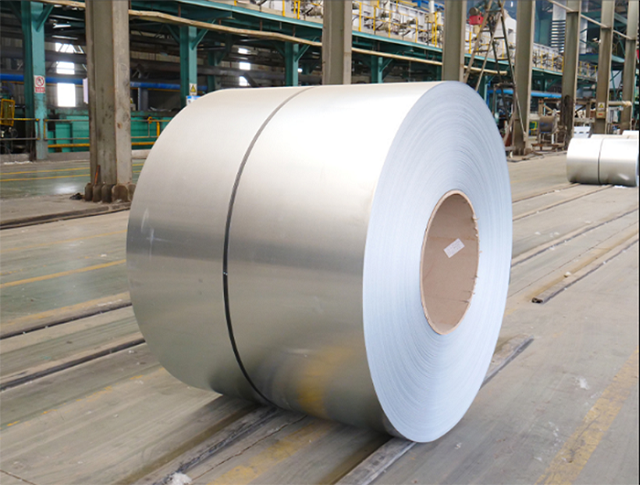
The iron in steel readily reacts with oxygen and moisture in humid environments, leading to the formation of rust. As corrosion progresses, the thickness of the steel plate may diminish, and surface quality can deteriorate. Corrosion issues require particular attention when steel is exposed to outdoor conditions, high humidity, or environments where contact with water is frequent.
Galvanized steel plates provide additional protection to the steel substrate by forming a zinc layer on the surface. This zinc layer limits direct contact between the steel and the surrounding air or moisture, thereby slowing the corrosion process. In the event of minor surface scratches, the zinc can also provide a degree of electrochemical protection to the adjacent steel through sacrificial anode action.
Consequently, compared to untreated steel plates, galvanized steel plates demonstrate superior corrosion resistance in many environments.
It should be noted, however, that the actual lifespan of the corrosion resistance is not fixed; it depends on various factors, including zinc coating thickness, ambient humidity, temperature, pollutants, salt content, and the specific application. Selecting the appropriate zinc coating specification is particularly crucial in coastal regions, industrial settings, or high-humidity environments.
2. Extended Service Life
For applications such as construction materials, roofing panels, building envelopes, ventilation ducts, and industrial equipment, severe corrosion can necessitate repairs, recoating, or even replacement. Frequent maintenance not only increases labor costs but can also disrupt the normal operation of equipment and the use of buildings. The zinc coating provides a durable protective barrier, allowing the steel plate to maintain optimal performance under normal operating conditions. For metal structures intended for long-term use, this protection helps minimize maintenance requirements caused by corrosion. Therefore, during the project design phase, if the equipment or building structure demands high durability, galvanized steel plate is often a material worth considering.
3. Excellent Inherent Strength
Galvanizing does not alter the fundamental properties of the steel itself. Galvanized steel plates retain the excellent strength, rigidity, and structural stability characteristic of steel, meeting the requirements of many construction and industrial manufacturing applications.
Different types and grades of galvanized steel plates offer varying mechanical properties; therefore, when selecting a product, users should determine the appropriate steel grade, thickness, width, length, and coating specifications based on the intended use. For instance, in the construction industry, galvanized steel plates are used for roofing, wall panels, ventilation systems, and lightweight structures; in manufacturing, they can be processed into components, casings, brackets, and various metal products.
4. High Surface Quality and Neat Appearance
After galvanizing, the steel plate surface typically exhibits a uniform metallic luster, resulting in a neat overall appearance. Depending on the production process and surface treatment method, galvanized steel plates can display different surface characteristics.
Common galvanized products include hot-dip galvanized steel plates and electro-galvanized steel plates. Hot-dip galvanized plates generally offer superior corrosion resistance, making them suitable for applications requiring high levels of protection. Electro-galvanized plates typically feature a more uniform and smooth surface, offering advantages in manufacturing sectors where surface quality is critical.
It is important to note that specific surface quality and appearance are influenced by the production process, zinc coating specifications, and post-processing methods. Consequently, when purchasing galvanized steel plates, the appropriate product type should be selected based on the end-use requirements.
5. Good Processability
Galvanized steel plates are highly adaptable to processing and can be shaped into various products through methods such as shearing, stamping, bending, and forming.
In the construction and manufacturing industries, users rarely utilize the steel plate in its raw, full-plate form; instead, they cut and shape it according to design specifications. For example, the plates can be processed into metal casings, ventilation ducts, brackets, door panels, and structural components.
However, the zinc coating serves as a protective layer on the surface of the steel plate. When performing cutting, welding, or other processing operations, care must be taken to protect the galvanized coating, and appropriate measures should be adopted based on the specific process. Particular attention should be paid to the fumes generated by heating the zinc layer, as well as ventilation and safety in the work area, especially during welding and high-temperature processing. Therefore, while galvanized steel plate offers excellent workability, employing proper processing techniques remains crucial.
6. Relatively Low Maintenance Requirements
Ordinary steel typically requires periodic anti-rust treatment and surface coating when exposed to corrosive environments. Galvanized steel plate acquires surface protection during the manufacturing process, thereby reducing the need for additional anti-corrosion treatments in many applications. Low maintenance requirements are particularly valuable for large-scale construction projects and industrial facilities.
For instance, subsequent maintenance can be difficult for installed roofing systems, building envelopes, and ventilation systems. If the material itself possesses good corrosion resistance, the frequency of maintenance work can be reduced. Of course, this does not mean galvanized steel plate requires no maintenance at all. During long-term use, the surface condition should still be inspected based on environmental conditions; timely inspection and remediation are essential, particularly in cases of severe mechanical damage, prolonged water accumulation, or exposure to highly corrosive media.
7. Wide Range of Applications
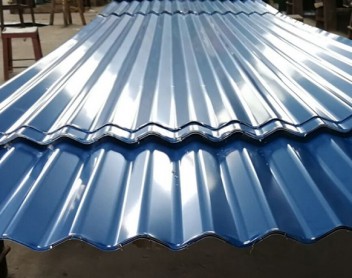
- In the construction industry, galvanized steel plate is used for roofing panels, wall cladding, structural components, ceiling systems, ventilation ducts, and other metal parts.
- In automotive manufacturing, galvanized steel is used for certain body parts and structural components that require corrosion resistance.
- In the home appliance industry, galvanized steel plate is used for structural components and casings in products such as refrigerators, air conditioners, and washing machines.
- In industrial manufacturing, galvanized steel plate is used for electrical cabinets, equipment housings, brackets, storage equipment, ventilation systems, and various mechanical parts.
- Suitable galvanized steel plate products can also be selected for agricultural facilities, warehouses, transportation facilities, and infrastructure projects based on specific environmental conditions.
8. What is the Difference Between Hot-dip Galvanizing and Electro-galvanizing?
- Hot-dip galvanizing involves immersing treated steel into a bath of molten zinc, allowing the zinc to form a bonding layer and a protective layer on the steel surface. This process typically yields superior corrosion resistance, making it widely used in construction, industrial facilities, and outdoor structures.
- Electro-galvanizing, on the other hand, involves depositing a zinc layer onto the steel plate's surface using electrochemical methods. The resulting surface is usually smooth, and the coating thickness is easily controlled, making it suitable for products requiring high surface quality and dimensional precision.
Neither product is inherently "better" than the other; the choice depends on factors such as the operating environment, corrosion resistance requirements, surface quality, processing methods, and cost.
9. How to Choose the Right Galvanized Steel Plate?
Different applications impose varying requirements on galvanized steel plates. When purchasing, one should not focus solely on price but must also consider factors such as plate thickness, width, length, steel grade, zinc coating thickness, production standards, and surface quality.
If the product is intended for outdoor use, corrosion resistance and zinc coating specifications are paramount. For applications involving stamping or bending, the material's mechanical properties and formability are critical. In sectors like automotive manufacturing and home appliances, where surface quality is crucial, the surface condition and processing quality must be carefully verified.
Additionally, buyers should confirm that the product complies with relevant international or industry standards based on target market and project requirements. For export projects, clearly defining technical specifications helps minimize issues during subsequent communication and acceptance processes.
Overall, the primary advantages of galvanized steel plates include excellent corrosion resistance, a long service life, good strength and formability, a clean surface finish, low maintenance requirements, and a wide range of applications.
Galvanizing is not merely about adding a metal layer to the steel surface; it enhances the steel's durability in real-world environments through surface protection. For industries such as construction, manufacturing, automotive, home appliances, and industrial equipment, selecting the appropriate galvanized steel plate meets performance requirements while effectively reducing the maintenance and replacement burdens caused by corrosion over the long term. As the construction and manufacturing sectors place increasing emphasis on material durability, formability, and total cost of ownership, galvanized steel plates will continue to hold a significant position in the metal materials market. For buyers and engineering projects, selecting the right steel grade, galvanizing process, and zinc coating specification based on the actual operating environment is key to fully leveraging the performance advantages of galvanized steel plates.

 Language


 Address:Bo Xing County, Shandong Province
 E-mail: