
 Language


More Language
Language
Galvanized steel and aluminum, as two mainstream metal materials in the fields of construction, transportation, and industrial manufacturing, have long been the focus of engineering material selection due to their performance differences and different application scenarios. Galvanized steel holds a dominant position in heavy-duty structures, infrastructure, and other fields due to its high strength, low cost, and mature anti-corrosion technology; Aluminum, on the other hand, is widely used in aerospace, automotive lightweighting, and high-end decorative scenes due to its advantages of lightweight, corrosion resistance, and recyclability. There are significant differences between the two in terms of material characteristics, processing technology, and economy. How to choose the best solution according to specific needs has become a topic of concern in the industry.
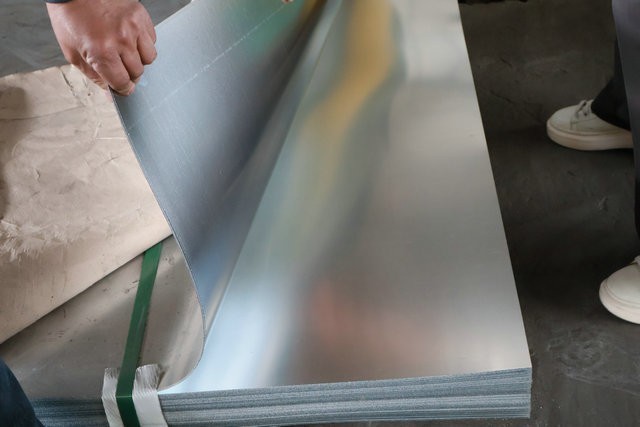
Galvanized steel relies on sacrificial anodic protection with a surface zinc layer (thickness 20-80 μ m), which can maintain its anti-corrosion effect for 10-20 years in pH 4-9 environment, but is prone to failure in chloride ions (such as coastal areas) or acidic media. Aluminum forms a dense Al ₂ O Ⅲ film (thickness 2-10nm) through natural oxidation on its surface, which is highly stable in the pH range of 4-9. The measured annual corrosion rate in a 3.5% NaCl solution is only 0.02mm, which is 1/20 of that of galvanized steel.
Galvanized steel typically has a tensile strength of 270-500MPa and an elastic modulus of 210GPa, making it suitable for load-bearing structures; Aluminum (such as 5052 alloy) has a tensile strength of ≥ 175MPa and an elastic modulus of 69GPa, but the stiffness can be compensated by increasing the thickness (such as 5mm). The measured deflection is controlled within 1/200 of the span, meeting the GB4053.4-2009 steel ladder safety standard.
Galvanized steel requires on-site welding, and secondary anti-corrosion treatment is required after damaging the coating. Corrosion failure of welded joints accounts for more than 70% of repair cases; Aluminum adopts a modular design, connected by T-bolts without welding, to avoid corrosion hazards in the heat affected zone, and weighs only one-third of galvanized steel, making it easy to transport and install.
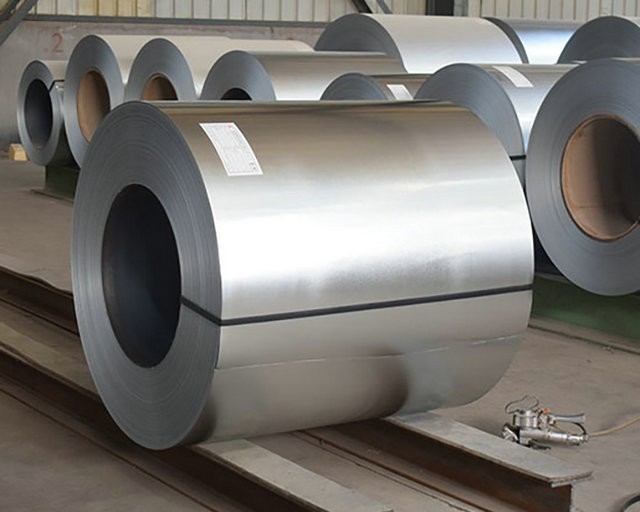
The ton price of 2.5mm thick galvanized steel plate is 3900-4200 yuan (equivalent to 81.9 yuan/㎡), and the ton price of aluminum veneer with the same thickness is 17778-22222 yuan (equivalent to 120-150 yuan/㎡), which is about 40% higher than the aluminum price.
Galvanized steel needs anti-corrosion treatment every 2 years, with a single cost of about 200 yuan/square meter; The maintenance free cycle of aluminum plates can last up to 5-8 years, and the comprehensive cost within a 20-year cycle is 35% lower than that of galvanized plates. The recycling value of scrap aluminum accounts for 60% of new materials, far higher than the 78% of galvanized scrap steel.
Cost sensitive project: Small and medium-sized projects with tight cash flow, galvanized steel inventory turnover is 1.2 times faster.
(3) Lightweight requirements: For weight reduction scenarios such as new energy vehicle bodies and photovoltaic brackets, spending 30% more budget can reduce weight by 15% and improve endurance.
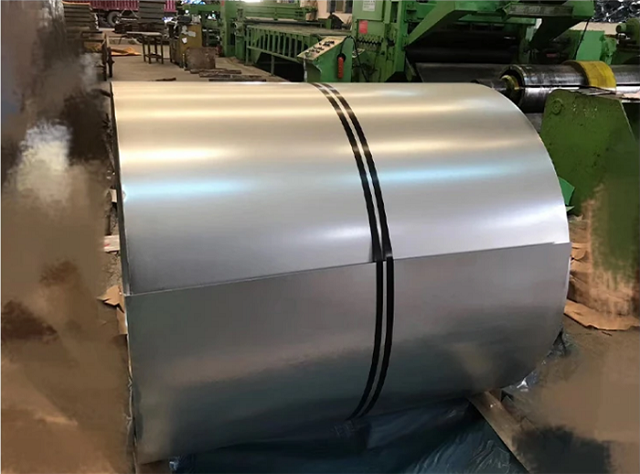
China galvanized plate manufacturer: Boxing Shuangshengda Steel specializes in galvanized sheet, galvanized steel plate,Colour steel plate etc.We have a full range of product specifications and types, low prices, and more than 20 years of experience, worthy of your trust
 Address:Bo Xing County, Shandong Province
 E-mail: