
 Language


More Language
Language
With the continuous development of sectors such as architectural decoration, industrial manufacturing, transportation, and home appliances, market demands for metal plates have steadily increased. Beyond basic strength and workability, factors such as corrosion resistance, weight, aesthetic appeal, service life, and long-term maintenance costs have become critical considerations in the procurement process. Among the various types of metal plates available, color-coated aluminum has emerged as a preferred material in construction and industry, thanks to its lightweight nature, corrosion resistance, diverse color options, and ease of processing.
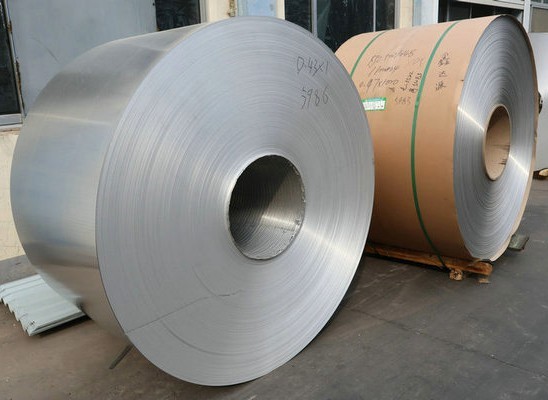
Color coated aluminum plates are metal panels created by applying a continuous coating to an aluminum substrate (in plate or coil form) through a process that includes surface pretreatment, paint application, and thermal curing. Depending on the type of coating, the coating structure, and the production method, these plates can exhibit a wide range of colors, gloss levels, and surface textures—meeting both aesthetic requirements and providing essential protection for the underlying aluminum.
Unlike traditional on-site painting methods, color-coated aluminum is typically produced via a continuous, factory-based roller-coating process. Aluminum coils undergo cleaning, chemical pretreatment, the application of primer and topcoats, and high-temperature curing to form a stable, durable coating structure. Once coated, the coils can be slit, cut, stamped, bent, or otherwise fabricated into plates and components of various specifications.
The aluminum substrate itself offers excellent resistance to atmospheric corrosion, while the surface coating further enhances both its visual appeal and weather resistance. Consequently, this material is not only ideal for architectural projects where appearance is paramount, but it is also widely used for industrial equipment enclosures, interior decorative panels, signage, and home appliances.
One of the most notable advantages of color-coated aluminum is its low weight. With a density of approximately 2.7 g/cm³, aluminum is significantly lighter than standard steel. Therefore, for a given volume, aluminum is generally much lighter than steel. In applications such as building roofing, wall cladding, interior ceilings, and enclosures for large-scale equipment, the weight of the material influences overall structural design, transportation logistics, and installation efficiency. Utilizing color-coated aluminum plates allows for a reduction in the dead load of certain structural components while still meeting project requirements for strength and design.
In construction, lighter panels reduce the material load on roofing and wall systems, offering greater flexibility in structural design. In the fields of transportation and equipment manufacturing, the strategic use of aluminum also helps in controlling the total weight of the final product. It should be noted, however, that low weight does not mean that factors such as plate thickness, alloy grade, and structural design can be overlooked. For components that are load-bearing or subject to significant external forces, calculations and material selection must still be based on the specific stress conditions.
Another key characteristic of color-coated aluminum plates is their superior corrosion resistance. When exposed to air, aluminum naturally forms a thin surface oxide layer, which helps to slow down further oxidation of the underlying metal. Furthermore, color-coated aluminum plates feature an additional protective coating. This coating prevents moisture, dust, and certain corrosive substances from coming into direct contact with the aluminum substrate, thereby enhancing the material's durability in real-world conditions.
For building facades, roofing, interior decoration, and various industrial settings, color-coated aluminum plates are well-suited to meet standard operational requirements. Compared to conventional carbon steel—which is prone to rusting—aluminum substrates offer a distinct advantage in typical atmospheric environments. Nevertheless, color-coated aluminum is not entirely immune to corrosion in all conditions. Environments such as coastal regions, areas with high humidity, zones affected by industrial pollution, or locations exposed to salts or specific chemical agents place higher demands on a material's corrosion resistance. When procuring these materials, it is essential to select an appropriate aluminum alloy substrate and coating system based on the intended environment, while also considering the product's performance in salt-spray, damp-heat, and weathering tests.
Color coated aluminum plates can be manufactured in a variety of colors and surface finishes to meet specific customer requirements. Common colors include white, gray, black, red, blue, and green, as well as a variety of metallic and custom-specified colors. Beyond color, color coated aluminum plates can be finished with specific coatings and surface treatments to achieve diverse gloss levels and textures—such as high-gloss, matte, fine-textured (sand-like), metallic, or decorative patterns mimicking wood grain or stone.
In architectural decoration, color and surface texture directly influence a building's appearance. Designers can select specific color coated aluminum plates based on the architectural style, surrounding environment, and overall color scheme, ensuring a cohesive visual effect across roofing, facades, decorative trim, and interior spaces. In sectors such as signage, display equipment, and home appliance manufacturing, color coated aluminum plates also effectively meet varied requirements for color and aesthetics. Compared to on-site post-application painting, factory pre-coating ensures greater color consistency across mass-produced items.
color coated aluminum plates generally offer good adaptability for fabrication. Depending on the alloy, temper, thickness, and coating properties of the substrate, they can undergo shearing, bending, stamping, roll forming, and other mechanical processing. For instance, in roofing systems,color coated aluminum plates can be roll-formed into panels with various cross-sectional profiles. In interior decoration, they can be cut and bent to create aluminum cladding panels, decorative plates, or ceiling components. In industrial manufacturing, they can be shaped into equipment enclosures or protective panels.
The processing efficiency of color coated aluminum plates is closely linked to the substrate temper, the flexibility of the coating, and the precision of the processing equipment. For applications requiring complex bending or deep stamping, it is essential to verify the coating’s suitability for such processes beforehand to prevent cracking, peeling, or surface scratching.
The coating on color coated aluminum plates serves not only an aesthetic purpose—providing color—but also enhances the surface protection of the material. It forms a continuous protective layer over the aluminum substrate, reducing the direct impact of the external environment on the metal. Different coatings offer distinct performance characteristics. For instance, polyester coatings typically provide a wide range of color options and a favorable balance of cost and performance, whereas fluorocarbon coatings are generally better suited for applications requiring long-term outdoor weather resistance. Furthermore, some coatings feature excellent stain resistance and surface cleanability, which helps simplify routine maintenance. The actual performance depends on factors such as the coating formulation, coating thickness, production quality, and the specific environment in which the material is used.
When the right materials are selected and installed correctly, color-coated aluminum plates can retain their appearance and functional performance for an extended period. Because the aluminum substrate possesses inherent corrosion resistance—further enhanced by the protective surface coating—these materials do not require the frequent anti-rust treatments often needed for certain types of conventional steel in many standard architectural environments. Routine maintenance generally involves removing surface dust, dirt, and other contaminants, as well as inspecting panel joints, fasteners, and the condition of the coating. If significant damage to the coating is observed, it should be repaired promptly in accordance with the manufacturer’s specifications to prevent the damage from spreading.
Polyester coatings are a common choice for color coated aluminum plates. They offer a diverse selection of colors, good processability, and a moderate overall cost. Polyester coatings are well-suited for many general architectural decoration and interior applications, such as interior ceilings, decorative panels, advertising materials, and other products that do not require high levels of outdoor weather resistance.
If a product is to be exposed for long periods to intense sunlight, hot and humid conditions, or environments with high levels of pollution, it is essential to verify the specific weather-resistance rating and intended scope of use for the polyester coating.
Fluorocarbon coatings typically offer superior weather resistance, UV resistance, and color retention, making them ideal for architectural projects that demand high performance in outdoor environments. PVDF-coated aluminum plates are particularly advantageous for use in the facades of large-scale buildings, roof decorations, curtain wall systems, and public infrastructure projects. These coatings can maintain a relatively stable appearance during long-term outdoor exposure; however, their actual performance depends on factors such as the resin system, coating thickness, application quality, and environmental conditions.
Fluorocarbon coatings generally come at a higher procurement cost than standard polyester coatings. Therefore, for projects intended for interior decoration or short-term use, there is no need to insist on high-grade coatings.
In addition to polyester and fluorocarbon coatings, the market offers polyurethane coatings, acrylic coatings, and other specialized functional coatings. Depending on the intended application, these coatings can be tailored for specific properties—such as flexibility, abrasion resistance, chemical resistance, surface hardness, and decorative finish. For instance, coatings for industrial equipment enclosures may prioritize abrasion and stain resistance, whereas those for architectural decorative materials focus more on color stability and outdoor weatherability. When procuring these products, one should not judge quality solely by the coating name; instead, it is essential to review specific technical parameters, test reports, and the requirements of the actual application.
The construction industry is a major sector for the use of color coated aluminum plates. They are employed in roofing panels, exterior wall cladding, curtain wall components, eaves, canopies, and various architectural trim elements. For large-scale industrial facilities, commercial buildings, public infrastructure, and certain residential projects, color coated aluminum plates offer a wide range of color options while helping to keep the weight of roofing and wall systems manageable.
In construction projects, factors such as plate thickness, connection methods, the weather-resistance grade of the coating, and drainage design must be determined based on specific project requirements. In coastal areas or environments prone to industrial pollution, particular attention should be paid to the material's corrosion resistance.
color coated aluminum plates are also frequently used for interior ceilings, wall cladding, partition panels, and decorative ceiling systems. Compared to many traditional decorative materials, color coated aluminum plates offer the advantages of being lightweight, available in a rich variety of colors, and easy to process. Designers can select from a variety of colors and textures to complement specific interior design styles, meeting the decorative requirements for commercial spaces, offices, public buildings, and certain residential areas.
Furthermore, aluminum offers excellent dimensional adaptability; it can be cut and bent into decorative components of various shapes.
In the advertising industry, color coated aluminum plates are used for billboards, signage, display panels, and decorative casings. They offer a wide range of colors and surface finishes, while also being easy to cut and process according to design specifications. For signage products requiring mass production, the factory pre-painting process ensures consistent appearance across all units.
color coated aluminum plates are also used for the casings, decorative panels, and internal structural components of various home appliances. For instance, refrigeration units, kitchen appliances, and other household devices may incorporate pre-painted aluminum based on their specific product designs. In appliance manufacturing, materials must not only look good but also meet requirements regarding formability, stain resistance, wear resistance, and suitability for the intended operating environment. Consequently, manufacturers must select the appropriate substrate and coating system based on the specific fabrication processes involved.
Color coated aluminum plates are also applied in transportation equipment, industrial equipment enclosures, control cabinet panels, and protective decorative structures. In these sectors, weight, processability, and surface protection are critical considerations. For components subject to prolonged exposure to specific chemical agents or significant mechanical wear, materials must be selected based on the actual operating conditions; a standard decorative coating alone may not be sufficient to meet all performance requirements.
(1) Substrate Preparation. Manufacturers select the appropriate aluminum alloy grade, thickness, and width based on customer requirements. The surface quality, flatness, and mechanical properties of the aluminum coil directly influence the final coating results.
(2) Surface Cleaning and Pretreatment. Once the aluminum coil enters the production line, it undergoes a cleaning process to remove surface oils, dust, and other impurities. This is followed by a chemical pretreatment designed to enhance the adhesion between the coating and the substrate.
(3) Primer Application. A primer helps enhance coating adhesion and provides foundational protection for the subsequent topcoat. Different products may utilize different primer systems, depending on the coating structure and specific performance requirements.
(4) Topcoat application: The specified coating is applied uniformly to the surface of the aluminum plate using roller-coating equipment. The topcoat determines the product's primary color, gloss, and certain surface characteristics.
(5) Curing process: The aluminum coil enters the curing stage. By controlling temperature and line speed, the coating is brought to the required state of cure. The quality of the curing process directly influences the coating's adhesion, hardness, and durability.
(6) Final processing: Following cooling, quality inspection, and either recoiling or slitting, the material is converted into color-coated aluminum coils or plates that meet the required specifications.
Throughout the entire production process, factors such as the quality of the substrate, surface pretreatment, coating properties, coating thickness, and curing conditions all impact the quality of the final product. Consequently, a stable production process and rigorous quality inspection are essential for ensuring the performance of color-coated aluminum plates.
(1) During transport, avoid direct contact between the plates and sharp objects to prevent surface scratches, dents, or deformation. Use appropriate handling tools suitable for the dimensions and weight of the plates, and ensure that they are not subjected to forces that could cause them to bend.
(2) During storage, keep the color-coated aluminum plates in a dry, well-ventilated environment; avoid prolonged exposure to damp conditions. Ensure that the stacked plates are stable and implement appropriate protective measures to prevent rain, dust, or other contaminants from entering the packaging.
(3) During fabrication, use tools and equipment specifically designed for aluminum. Adjust process parameters based on the plate thickness, coating properties, and specific fabrication requirements. When bending, pay close attention to the bend radius and the direction of the bend to prevent the coating from cracking or peeling.
(4) After installation, periodically inspect the surfaces, joints, and fastening points of the plates. If dust or common contaminants accumulate on the surface, they may be removed using appropriate cleaning methods. When cleaning, avoid using highly corrosive chemicals or abrasive tools that could damage the coating.
For building facades and roofing systems, particular attention must be paid to the contact between different types of metals. In the presence of moisture, electrochemical corrosion can occur when dissimilar metals come into contact. Therefore, connectors, fasteners, and isolation materials should be carefully selected based on engineering design specifications and material compatibility requirements.
Why choose color coated aluminum plates? The primary reason is that they combine the lightweight nature of aluminum—along with its inherent corrosion resistance and excellent workability—with a wide range of decorative surface finishes. Whether for building roofs, exterior wall cladding, interior ceilings, advertising signage, home appliance manufacturing, or industrial equipment enclosures, color-coated aluminum plates offer a versatile array of options tailored to specific product designs and functional requirements. Naturally, color-coated aluminum is not a universal solution for every application. When procuring these materials, it is essential to carefully evaluate factors such as the aluminum alloy grade, plate thickness, coating type, operating environment, processing methods, and project budget. Selecting a product that aligns with the specific application conditions ensures that the performance advantages of color-coated aluminum are fully realized, while balancing aesthetic appeal, functional effectiveness, and long-term cost-efficiency.
China galvanized plate manufacturer: Boxing Shuangshengda Steel specializes in galvanized sheet, galvanized steel plate,Colour steel plate etc.We have a full range of product specifications and types, low prices, and more than 20 years of experience, worthy of your trust

 Address:Bo Xing County, Shandong Province
 E-mail: