
 Language


More Language
Language
In the era of rapid advancement in modern smart home appliances, home appliance panels not only serve functional purposes but have also become crucial elements influencing the quality of family life and spatial aesthetics. Among numerous appliance components, the “appliance panel” stands out as a core element for visual presentation, functional interaction, and product protection, with its importance increasingly recognized. The material properties, structural design, and manufacturing processes of home appliance panels directly impact the overall visual appeal, user experience, and product quality, making them an indispensable key component in home appliance manufacturing. In recent years, driven by advancements in energy efficiency, environmental protection, lightweight design, and smart manufacturing, the materials and structures of appliance panels have undergone continuous upgrades. They are progressively evolving toward high strength, corrosion resistance, ease of processing, and customizability. This article comprehensively analyzes the value and application prospects of “appliance panels” from multiple dimensions, including definition, material types, key characteristics, application fields, manufacturing processes, and future trends.
A home appliance panel refers to the structural flat component installed on the exterior of household appliances. It serves to protect the device, host the operational interface, and enhance aesthetic appeal. It functions not only as the appliance's “outer shell” but also as the primary medium for user interaction.
Its primary functions include:
(1) Protecting internal components: Shielding against external impacts, moisture, grease, dust, and other influences to enhance product durability.
(2) Supporting functional interfaces: Housing button zones, display areas, knob positions, etc.
(3) Enhancing aesthetics: Defining the appliance's visual style and serving as a key component of brand identity.
(4) Improving user experience: Surface texture, scratch resistance, fingerprint-proof coatings, and other factors influence usability.
(5) Strengthening structural integrity: Provides essential casing support for appliances.
Thus, appliance panels are multifunctional components integrating functionality, structural support, and aesthetics, serving as a key factor shaping consumers' first impressions of home appliances.
Based on varying application environments and performance requirements, appliance panel materials primarily include the following categories:
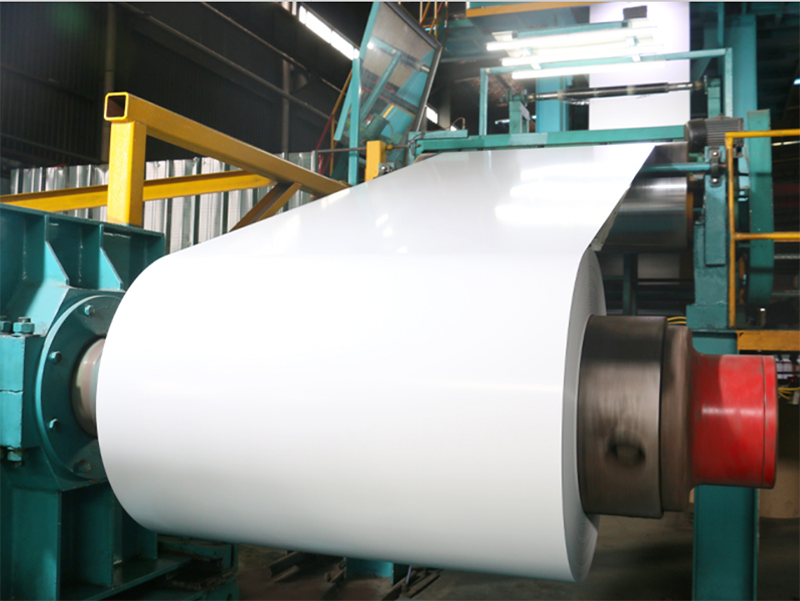
Color-coated steel sheets are widely used for exterior panels in refrigerators, washing machines, air conditioners, and similar products due to their rich color options, strong corrosion resistance, and smooth surfaces.
Their advantages include:
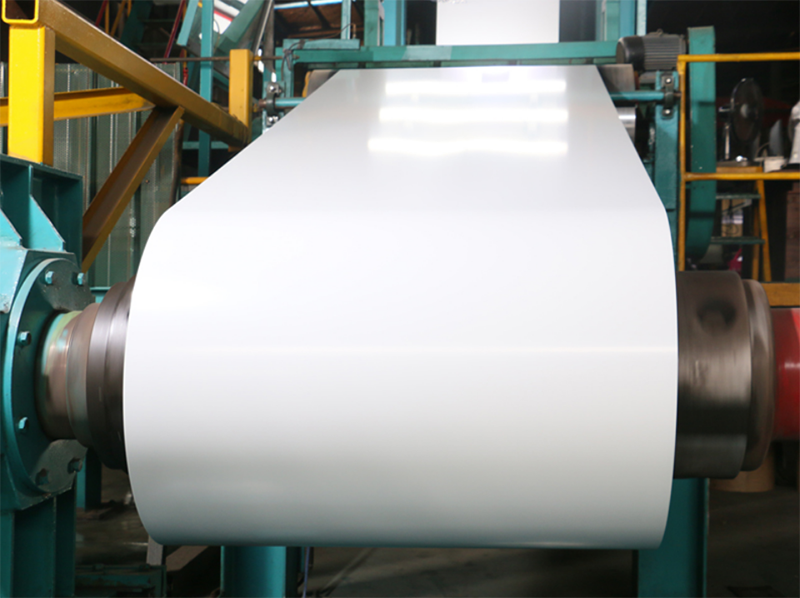
- Excellent weather resistance and corrosion resistance;
- Smooth surfaces suitable for diverse decorative finishes;
- Easy processing and forming;
- Significant cost advantages.
Color-coated steel sheets can feature coatings like polyester (PE), silicone-modified polyester (SMP), high-weatherability (HDP), or fluorocarbon (PVDF), adapting to diverse indoor and outdoor applications.
Commonly found in high-end appliances such as steam-convection ovens, refrigerators, and range hoods.
Characteristics:
- Strong metallic texture with premium aesthetics;
- Exceptional corrosion resistance;
- Capable of various finishes like brushed, mirrored, or sandblasted;
- Resistant to high temperatures and humidity.
Primarily used in induction cooktops, microwaves, and smart home devices.
Features:
- Stylish appearance with excellent light transmission;
- Easy to clean;
- Superior scratch resistance;
- Compatible with touchscreen technology.
Primarily used in small appliances like electric fans, kettles, and microwave frames.
Advantages:
- Low cost;
- Exceptional design flexibility;
- Lightweight and suitable for mass production.
Increasingly adopted in premium products.
Key benefits include:
- Lighter than steel;
- Strong corrosion resistance;
- Emphasis on visual aesthetics.
The appliance market demands increasingly stringent performance standards for panels. Modern appliance panels feature the following core characteristics:
Appliance panels must align with contemporary aesthetic trends, including minimalist styles, metallic finishes, glossy mirror effects, and wood/stone textures. Panel color, gloss, and material directly determine product premium positioning.
Panels endure prolonged exposure to moisture, cooking fumes, and detergents. Materials like color-coated steel, stainless steel, and aluminum offer effective corrosion resistance, ensuring long-lasting appearance.
Appliance panels require stamping, bending, roll coating, and shearing. Materials must possess excellent ductility and processing adaptability.
Frequently exposed to fingers, clothing, and cleaning tools, appliance panels require scrub resistance, scratch resistance, and fingerprint resistance.
Serving both decorative and structural support functions, panels must possess adequate mechanical strength and stability.
New appliance panels utilize lead-free, environmentally friendly coating materials that comply with international environmental standards.
Home appliance panels have extremely broad applications, covering nearly all household products:
Door panels; side panels; top panels.
Materials include color-coated steel sheets, stainless steel sheets, and glass panels, requiring aesthetic appeal, corrosion resistance, and easy cleaning.
Outer casing panels; control panels; machine covers.
Require water resistance and detergent corrosion resistance; color-coated steel sheets are most widely used.
Indoor unit casings; outdoor unit structural panels.
Outdoor units require UV resistance, corrosion resistance, and weatherproofing, thus often employing galvanized color-coated steel or high-weatherability coating materials.
Such as range hoods, dishwashers, ovens, induction cooktops, etc.
Requires high-temperature resistance and reliability. Common materials: stainless steel panels; tempered glass panels; black or metallic-textured color-coated steel sheets.
Examples: water dispensers, water purifiers, rice cookers, microwaves. Often feature combined plastic and metal panel designs.
Different materials require distinct manufacturing processes, but the primary workflow includes:
(1) Material Selection and Pre-treatment: Cleaning, degreasing; chemical conversion coating; surface coating pre-treatment.
(2) Coating or Surface Treatment: Including roller coating; AI spraying; anodizing; brushing; film coating.
(3) Forming Process: Panels undergo multiple operations including shearing, bending, punching, and slotting.
(4) Rigorous Inspection: Testing metrics include color difference control; mechanical properties; scratch resistance; salt spray testing; coating adhesion testing. This ensures finished appliance panels exhibit high durability and consistency.
(1) Premiumization: Sustained growth in demand for metal and glass panels; consumers increasingly favor premium aesthetics like metallic finishes and mirrored glass surfaces.
(2) Multifunctionality: Widespread adoption of touch panels; future appliance panels may integrate more intelligent interactive features.
(3) Environmental Sustainability: Chromium-free and eco-friendly coatings become mainstream; environmental technologies drive upgrades in color-coated steel sheets.
(4) Lightweighting: Increased use of aluminum sheets and composite materials; reducing weight and enhancing processing efficiency.
(5) Enhanced Customization: Appliance manufacturers require panels with greater variety in colors, textures, and special effects.
As a critical component of home appliances, appliance panels not only serve a protective function but also represent brand aesthetics and product value. With the accelerated development of smart and personalized appliances, the material selection, design capabilities, and manufacturing technology of appliance panels will become key indicators of manufacturers' competitiveness. Whether in refrigerators, washing machines, air conditioners, or in the small appliance and smart home sectors, high-quality appliance panels will continue to play an irreplaceable role. They provide reliable protection and outstanding aesthetics for appliances, delivering a more beautiful, comfortable, and premium home experience for users.
China galvanized plate manufacturer: Boxing Shuangshengda Steel specializes in galvanized sheet, galvanized steel plate,Colour steel plate etc.We have a full range of product specifications and types, low prices, and more than 20 years of experience, worthy of your trust

 Address:Bo Xing County, Shandong Province
 E-mail: