
Common materials and characteristics of home appliance panels

In the field of home appliance manufacturing, the material selection of home appliance panels, as a key component, directly affects the performance, appearance, and service life of home appliances. With the continuous advancement of technology and the increasing diversity of consumer demands, the materials of home appliance panels are becoming more diverse and abundant. Understanding the common materials and characteristics of home appliance panels is of great significance for both home appliance manufacturers and consumers. Below, we will provide a detailed introduction to several common materials and their characteristics for home appliance panels.
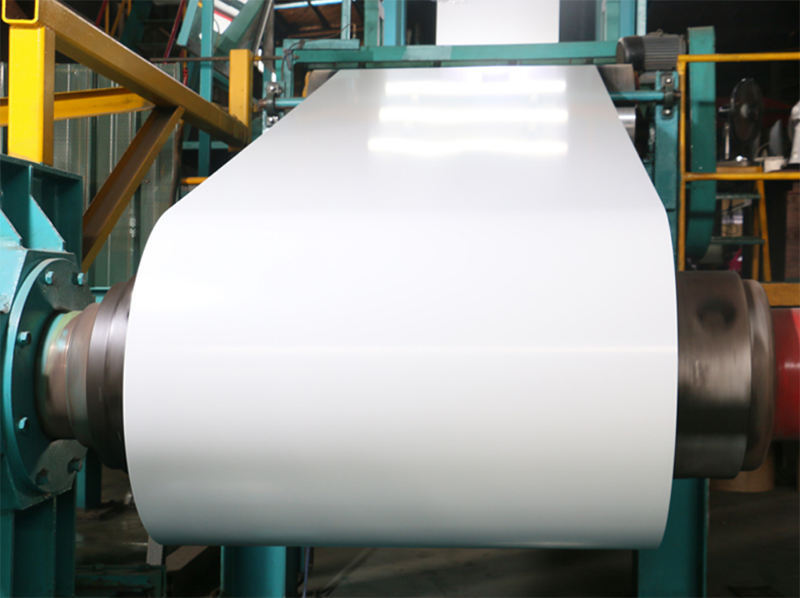

Home appliance panel


1. Common materials and characteristics of home appliance panels

1. Galvanized sheet for household appliances

Galvanized sheet is a layer of zinc coated on the surface of ordinary steel plate to improve its corrosion resistance. This type of home appliance panel has the advantage of low cost and is suitable for large-scale production of cost sensitive home appliances. It has good processing performance and is easy to perform forming operations such as stamping and bending, which can meet the manufacturing needs of complex structures in household appliances. However, the corrosion resistance of galvanized sheet is relatively limited. In humid or highly corrosive environments, the zinc layer may gradually corrode, thereby affecting the service life of household appliances. Moreover, its surface quality is average, and its appearance effect is relatively ordinary, which is not suitable for high-end home appliances with extremely high appearance requirements.

2. Cold rolled sheet for household appliances

Cold rolled plate is a steel plate produced through cold rolling process, which has the characteristics of good surface quality and high dimensional accuracy. Its surface is smooth and flat, providing exquisite appearance for home appliances and meeting consumers' pursuit of beauty in home appliances. The strength and hardness of cold-rolled sheet are moderate, ensuring the stability of household appliance structure and facilitating processing and forming. However, cold-rolled plates have poor corrosion resistance and are prone to rusting. Surface treatments such as painting and electroplating are usually required to enhance their corrosion resistance, which undoubtedly increases production costs and process complexity.

3. Stainless steel household appliance board

Stainless steel home appliance panels are known for their excellent corrosion resistance, which allows for long-term use in various harsh environments without rusting, greatly extending the service life of home appliances. It has high strength and can withstand certain external impacts, ensuring the safety of household appliances during use. Stainless steel surface has a unique luster and high-end texture, which can add a sense of luxury to home appliances and is commonly used in high-end home appliances. However, the cost and processing difficulty of stainless steel are relatively high, and it requires high processing equipment and technology, which to some extent limits its widespread application in some cost sensitive household appliances.

4. Color coated home appliance panel

Color coated sheet is made from cold-rolled sheet, hot-dip galvanized sheet and other substrates, which are pre treated on the surface, coated with one or more layers of organic coatings, and then baked and cured. Color coated home appliance panels have rich colors and good decorative properties, which can meet the personalized needs of different consumers for the appearance of home appliances. Its coating has the advantages of corrosion resistance, wear resistance, weather resistance, etc., which can effectively protect the substrate from external environmental erosion. Meanwhile, the processing performance of the color coated board is good and easy to form. However, the quality of color coated boards varies greatly. If the coating quality is poor, problems such as coating peeling and discoloration may occur, affecting the appearance and service life of household appliances.

5. Aluminum sheet for household appliances

Aluminum home appliance panels have the characteristics of low density and light weight. Compared with other materials of home appliance panels, they can reduce the overall weight of home appliances and facilitate transportation and installation. Aluminum plate has good thermal conductivity, which can effectively improve the heat dissipation efficiency for some household appliances that require heat dissipation, such as refrigerators, air conditioners, etc. Its surface is easy to undergo oxidation, spraying and other treatments, which can achieve various beautiful appearance effects. However, aluminum plates have relatively low strength, are prone to deformation when subjected to large external forces, and have relatively high costs. They are generally used for specific household appliances that have high requirements for weight and heat dissipation.

6. Composite board household electrical board

Composite board household electrical panels are usually composed of two or more materials, which combine the advantages of each layer of material. For example, metal plastic composite panels have both the strength and corrosion resistance of metals, as well as the insulation and lightweight properties of plastics. This type of home appliance panel can flexibly combine materials according to different usage needs to achieve performance optimization. However, the production process of composite panels is relatively complex and costly, and the interface bonding strength between different materials needs to be strictly controlled, otherwise it may affect the overall performance of home appliance panels.
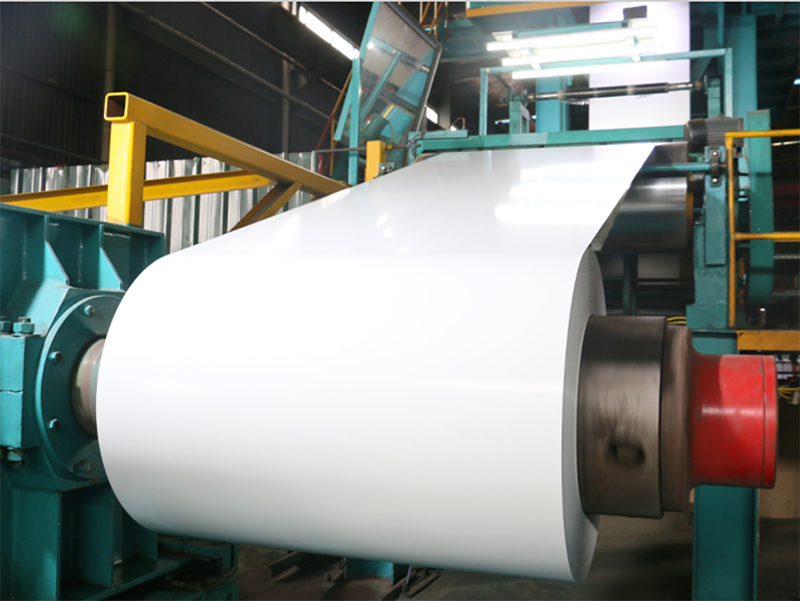

Home appliance panel


In order to compare the characteristics of the materials used in the above household appliance boards more clearly, the following is a simple table:


Material


Advantages


Disadvantages


Applicable Scenarios


Galvanized Sheet for Home Appliances


Low cost, good processing performance


Limited corrosion resistance, ordinary appearance


Home appliances that are cost-sensitive and have low appearance requirements


Cold-Rolled Sheet for Home Appliances


Good surface quality, high dimensional accuracy, moderate strength and hardness


Poor corrosion resistance, requires surface treatment


Home appliances with certain requirements for appearance and dimensional accuracy


Stainless Steel Sheet for Home Appliances


Strong corrosion resistance, high strength, high-end appearance


High cost, difficult processing


High-end home appliance products


Color-Coated Sheet for Home Appliances


Rich colors, good decorative properties, good corrosion resistance, wear resistance, and weather resistance


Uneven quality, possible coating problems


Home appliances with high appearance requirements


Aluminum Sheet for Home Appliances


Low density, light weight, good thermal conductivity, diverse appearance treatments


Low strength, high cost


Home appliances with requirements for weight and heat dissipation


Composite Sheet for Home Appliances


Combines the advantages of each layer of materials, optimized performance


Complex production process, high cost, requires control of interface bonding strength


Home appliances with specific performance requirements


2. Considerations for Material Selection of Home Appliance Panels

When selecting materials for home appliance panels, multiple factors need to be considered comprehensively. Cost is an important consideration factor, and for mid to low end household appliances, it is necessary to choose materials with lower costs, such as galvanized sheet, cold-rolled sheet, etc., to control product prices and improve market competitiveness. For high-end home appliances, more attention is paid to the performance and appearance of materials, and stainless steel, high-quality color coated plates, etc. may be chosen. The usage environment of household appliances is also crucial. For appliances used in damp or highly corrosive environments, materials with good corrosion resistance, such as stainless steel and color coated plates with good surface treatment, should be prioritized. In addition, the functional requirements of household appliances also affect the selection of materials. For example, aluminum plates are suitable for appliances that require heat dissipation, while stainless steel or composite plates can be considered for appliances that require high strength.


3. Conclusion

The material selection of home appliance panels is a key step in the manufacturing process of home appliances, and different materials have their own unique characteristics and applicable scenarios. Understanding the characteristics of common home appliance panel materials can help home appliance manufacturers choose materials reasonably based on product positioning, usage environment, and functional requirements, and produce high-performance and aesthetically pleasing home appliance products. At the same time, consumers can also make more informed choices based on their expectations for the performance and appearance of home appliances, combined with the characteristics of different materials. With the continuous advancement of technology, there will be more new types of home appliance panel materials emerging in the future, bringing new opportunities and challenges to the development of the home appliance industry.
Contact
 Address:Bo Xing County, Shandong Province
 E-mail:ssd@cnsststeel.com