Galvanized steel metal sheet, as the core material in the field of metal anti-corrosion, its price fluctuations have always been the focus of market attention. This material forms a zinc layer protective film on the surface of steel plates through hot-dip galvanizing or electroplating processes, which combines corrosion resistance and processing performance. It is widely used in industries such as construction, automotive, and home appliances. The price level is influenced by multiple factors such as raw material costs, production processes, market supply and demand, and macroeconomic environment, exhibiting dynamic changes. For example, in 2024, the galvanized coil market experienced a price decline due to overcapacity and weak demand, while in 2025, due to fluctuations in international zinc prices and environmental policies, some regions experienced periodic price adjustments. Consumers need to comprehensively evaluate specific specifications, uses, and long-term costs when making purchases.
1. The impact of fluctuations in raw material prices
The production basis of galvanized steel metal sheet is ordinary steel sheet and zinc layer. Recent data shows that hot-rolled coils, as the main substrate for galvanized steel metal sheets, fluctuate in price between 3300-3400 yuan/ton. The fluctuation of zinc prices directly affects the cost of galvanizing. If zinc prices rise, the price of galvanized steel metal sheets will inevitably adjust accordingly. The transmission effect of raw material prices makes galvanized steel metal sheet prices dynamic.
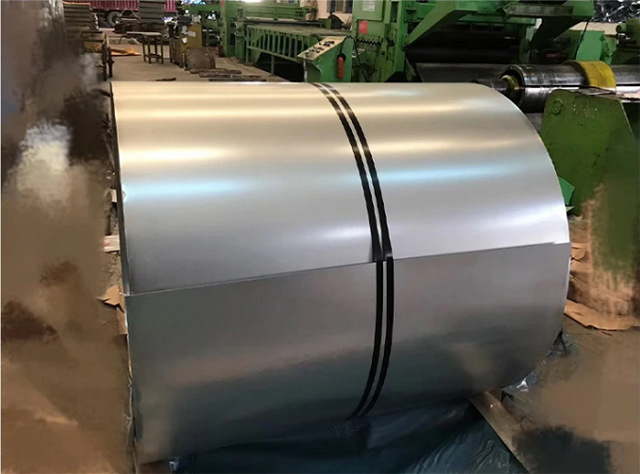
2. Production process and cost composition
The galvanizing process is divided into two categories: hot-dip galvanizing and electroplating galvanizing. Hot dip galvanizing forms a zinc layer by immersing steel plates in molten zinc solution, which has the characteristics of low cost and strong corrosion resistance; Electrogalvanizing involves depositing a zinc layer through electrolysis, resulting in a smoother surface but higher cost. The differences in production processes result in a price difference of 10% -20% for products from different manufacturers. Consumers can choose between economical or high-performance products based on their usage scenarios.
3. Changes in market supply and demand relationship
The current galvanized steel metal sheet market presents a weak supply-demand pattern. On the one hand, terminal demand for real estate, infrastructure, and other industries continues to be weak; On the other hand, steel mills maintain relatively high production levels, and there are signs of accumulated social inventory. This supply-demand imbalance has led some traders to actively reduce prices and promote sales, resulting in a price drop of 10-20 yuan/ton for 1.0mm galvanized steel metal sheets in some regions compared to the previous month. However, it should be noted that high-quality products maintain relatively stable prices due to strict inventory control.
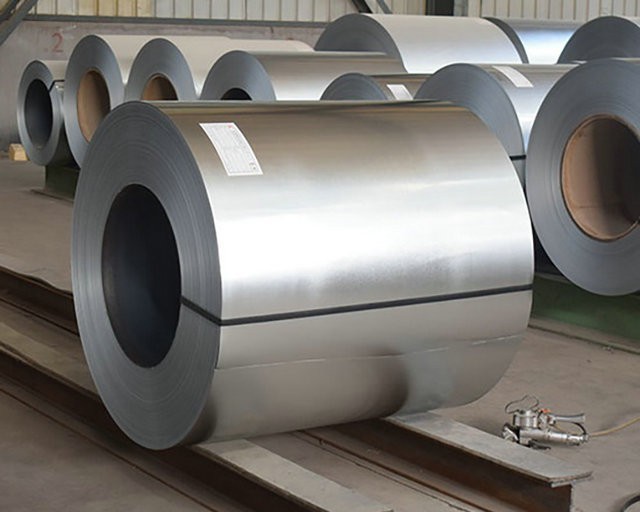
4. Matching product performance with value
The core value of galvanized steel metal sheet lies in its anti-corrosion performance. Compared to ordinary steel plates, galvanized products can extend their service life by 3-5 times and have significant advantages in humid and corrosive environments. For long-term engineering projects, although galvanized steel metal sheets require higher initial investment, their total lifecycle cost is lower. The match between performance and value makes galvanized steel metal sheet irreplaceable in specific fields.
The price positioning of galvanized steel metal sheets needs to be comprehensively judged based on market cycles and product characteristics. In the short term, fluctuations in raw material prices, changes in supply and demand, and policy regulation may trigger price fluctuations; In the long run, technological upgrades and large-scale production will drive cost optimization. For ordinary consumers, choosing suppliers that meet national standards and have a good reputation, and paying attention to specification matching, can achieve maximum cost-effectiveness.

 Language


 Address:Bo Xing County, Shandong Province
 E-mail: