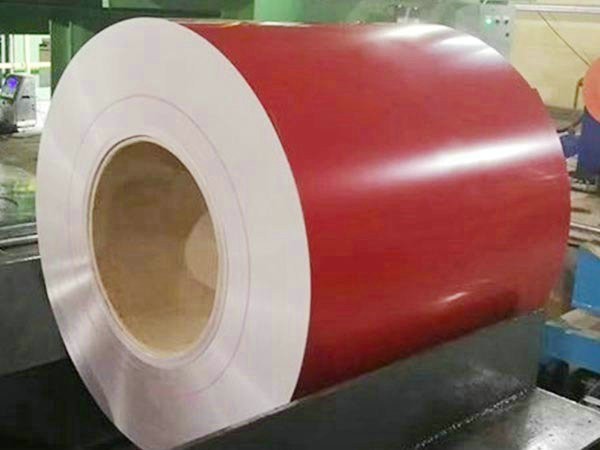
The after-sales service of color aluminum plate is a key link in ensuring product performance,extending service life,and improving customer satisfaction.Generally speaking,the after-sales service of color aluminum plate factory may include the following:
1.Product Quality Assurance
Warranty period:Provide a certain period of product quality assurance.If there are quality problems caused by non-human factors within one year,the manufacturer is responsible for free repair or replacement.
Acceptance service:After product delivery,assist customers in acceptance to ensure that product specifications,colors,quality,etc.meet order requirements.
2.Technical support and consultation
Installation guidance:Provide detailed installation guidance or on-site installation services to ensure that the color aluminum plate can be installed correctly and safely.
Technical consultation:Provide timely and professional answers and suggestions to technical problems encountered by customers during use.
3.After sales maintenance and upkeep
Regular inspection:It is recommended that customers regularly inspect the color aluminum plate,including whether the surface coating is intact,whether the connectors are loose,etc.,to promptly detect and deal with potential problems.
Maintenance:Provide maintenance knowledge for color aluminum plate,such as cleaning methods,anti-corrosion measures,etc.,to help customers extend the product's service life.
4.Complaint Handling and Feedback
Complaint channel:Establish a dedicated after-sales service hotline or online complaint platform to facilitate timely feedback from customers on any issues encountered during use.
Complaint Handling:Respond promptly and handle customer complaints properly to ensure customer satisfaction.
5.Other value-added services
Customized service:Provide customized services for color aluminum plate according to customers'special needs,such as special colors,specifications,patterns,etc.
Training services:Provide customers with training on knowledge related to color aluminum plate to enhance their understanding and ability to use the products.
6.Case analysis
Taking a well-known aluminum plate manufacturer as an example,they not only provide the above-mentioned after-sales services,but also establish a complete customer file and tracking service mechanism.By regularly visiting customers to understand their usage and satisfaction,we continuously optimize our products and services,winning the trust and praise of our customers.
In summary,the after-sales service of color aluminum plate is a comprehensive service system aimed at providing customers with comprehensive and multi-level support and protection.When choosing a supplier of color aluminum plate,in addition to focusing on product quality and price,the quality and level of their after-sales service should also be fully considered.

 Language


 Address:Bo Xing County, Shandong Province
 E-mail: