Nanoplate and
color steel plate, as two common building materials, each have unique properties and applicable scenarios. It is difficult to simply determine which one is "better", and a comprehensive evaluation needs to be conducted based on specific needs and usage environments.
The following comparative analysis is conducted from three dimensions: performance, cost, and applicability:
1、 Performance comparison
corrosion resistance
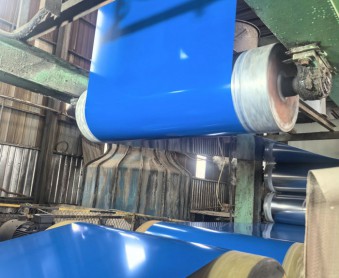
Color steel plates are made of galvanized steel plates or aluminum zinc alloy steel plates as substrates, coated with organic coatings (such as polyester, silicon modified polyester, etc.) on the surface, which have good corrosion resistance in conventional environments. However, when exposed to high humidity, strong acid and alkali, or salt spray environments for a long time, the coating may peel off, leading to substrate corrosion. Nanoplates are treated with nanotechnology to form a dense protective layer on the surface, which can effectively isolate water, oxygen, and corrosive media. Their corrosion resistance is significantly better than traditional color steel plates, especially suitable for highly corrosive environments such as chemical and coastal areas.
thermal insulation performance
The thermal insulation performance of color steel plates mainly depends on the type of coating and core material (such as rock wool, polyurethane, etc.). Ordinary color steel plates have a high thermal conductivity, which can easily lead to an increase in indoor temperature in summer; If insulation core materials are used, the cost will increase significantly. Nanoplates can reduce thermal conductivity efficiency by reflecting and scattering thermal radiation through nanostructures. Some high-end Nanoplates even have better insulation performance than traditional insulated color steel plates, and do not require additional core materials, saving space and costs.
Self cleaning and antibacterial properties
The surface of nano plates has superhydrophobic or photocatalytic properties, which can decompose organic pollutants and inhibit bacterial growth, making them suitable for places with high hygiene requirements such as hospitals and food processing. Color steel plates require special coatings (such as fluorocarbon coatings) to achieve similar functions, but the maintenance cost is higher and the antibacterial effect is not as long-lasting as nano plates.
Mechanical strength and durability
The strength of color steel plates depends on the thickness of the substrate and the quality of the coating. Conventional products are prone to deformation and coating peeling due to external impact or long-term use. Nanoplates enhance the substrate structure with nanoparticles, resulting in better impact resistance and weather resistance. Their service life can reach 15-20 years, far exceeding the 8-10 years of ordinary color steel plates.
2、 Cost comparison
initial cost
The price of ordinary color steel plate is relatively low, with a market price of about 50-150 yuan/square meter (including installation). If high-end coatings or insulation core materials are selected, the price can be increased to 200-300 yuan/square meter. Nanoplates have a high technological threshold and initial cost, with a market price of about 200-500 yuan/square meter. However, their long-term maintenance cost is low, and their comprehensive cost-effectiveness needs to be evaluated based on their service life.
maintenance cost
Color steel plates need to be regularly inspected for coating integrity. In corrosive environments, they need to be repainted every 3-5 years, with maintenance costs of approximately 20-50 yuan/square meter/time. Nanoplates require almost no maintenance and only require simple cleaning, with significant long-term cost advantages.
3、 Applicability comparison
industrial building
Color steel plates are widely used in warehouses, factories, and other environments with low durability requirements due to their low cost and convenient installation. If the environment is highly corrosive or requires long-term use, nanosheets are preferred.
Commercial and Civil Buildings
The self-cleaning and antibacterial properties of nano boards are suitable for public places such as hospitals, schools, and shopping malls; Color steel plates are commonly used in temporary buildings or projects with low decorative requirements due to their rich colors and flexible shapes.
Special environment
Priority should be given to using nano boards in chemical, marine, and high pollution areas; In a dry and non corrosive ordinary environment, color steel plates offer higher cost-effectiveness.
If pursuing low cost, short-term use, or decorative value, colored steel plates are a more economical choice; If long-term corrosion resistance, thermal insulation, self-cleaning or antibacterial performance is required, nano boards have more advantages. In actual projects, comprehensive decisions can be made based on budget, environmental conditions, and service life.

 Language


 Address:Bo Xing County, Shandong Province
 E-mail: