
 Language


More Language
Language
In modern construction and infrastructure projects, galvanized steel plates are widely used in applications such as pipelines, protective fencing, underground support structures, communication facilities, and water supply systems. Their core advantages lie in excellent corrosion resistance and high cost-effectiveness. However, users consistently raise a common question: Will galvanized steel plate corrode when buried underground?
This question not only concerns the safety of building structures but also directly impacts the service life of projects and subsequent maintenance costs. To better understand the performance of galvanized steel plates in underground environments, this article will analyze multiple aspects including rust prevention principles, key advantages, primary causes of rusting, and protective measures.
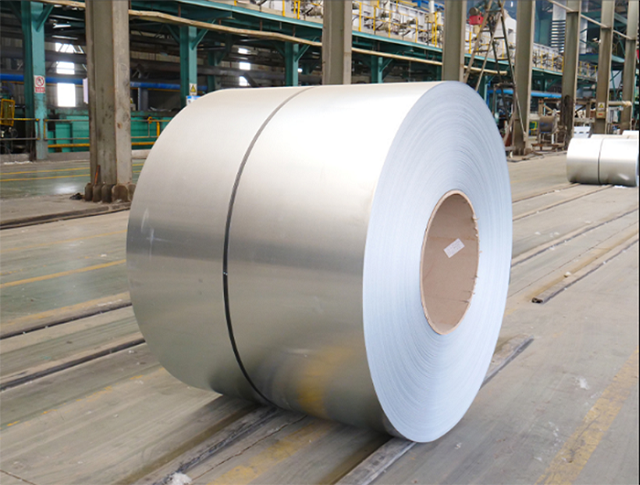
Galvanized steel plate refers to ordinary steel coated with a dense zinc layer through hot-dip or electro-galvanizing processes, providing protective properties. Its corrosion resistance primarily manifests through:
The zinc coating forms a barrier on the steel surface, blocking oxygen, moisture, and chemical substances from the air.
Zinc has a lower electrochemical potential than iron. In corrosive environments, zinc oxidizes first, protecting the steel substrate from corrosion—a process known as “cathodic protection.”
During galvanization, a Zn-Fe alloy layer forms between the steel substrate and the zinc coating. This layer bonds firmly and resists peeling, significantly enhancing the durability of the protection.
Therefore, theoretically, galvanized steel plate exhibits excellent rust resistance under normal usage conditions, making it particularly suitable for applications involving prolonged exposure to humid environments.
Galvanized steel plates are widely used in construction and industrial applications, offering multiple benefits beyond outstanding corrosion resistance:
A high-quality zinc coating effectively protects the steel substrate, extending its service life. In most environments, this lifespan reaches 20–50 years—far exceeding that of ordinary carbon steel.
Galvanized steel plates offer reliable corrosion resistance at a lower cost than stainless steel, making them a highly cost-effective choice, especially for large-scale projects.
Galvanized steel plates retain good weldability, cutability, and formability, easily meeting diverse fabrication requirements.
The inherent protective properties of the zinc coating minimize post-installation maintenance, significantly reducing project operational expenses.
From municipal pipelines, transportation infrastructure, and bridge guardrails to appliance casings and agricultural equipment, galvanized steel plates meet diverse requirements with exceptionally broad application prospects.
When buried underground, galvanized steel plates do not behave identically to their above-ground or atmospheric use. This is due to:
- Complex soil conditions: Groundwater pH, salinity, redox potential, and oxygen content all affect zinc coating stability.
- Oxygen deprivation: In low-oxygen environments, zinc protection weakens and corrosion rates may accelerate.
- Chemical corrosion: Certain soils may contain corrosive ions like chloride, sulfide, or nitrate, accelerating zinc coating degradation.
However, in most engineering scenarios, galvanized steel plates can remain rust-free for years if the soil environment is neutral, groundwater conditions are favorable, and construction practices are standardized. Typically, their lifespan ranges from 20 to 50 years, depending on environmental factors and protective measures.
In practical applications, galvanized steel plates buried underground still carry a certain risk of rusting. This primarily stems from three causes:
During transportation, handling, and construction, the galvanized steel plate surface may develop scratches, nicks, or cuts due to friction, impact, or cutting. Once the base material is exposed, the steel directly contacts soil and moisture, leading to rapid oxidation and rust formation.
Certain soils exhibit acidic or alkaline properties, or contain high concentrations of chloride salts. When these corrosive components come into contact with the zinc coating, they accelerate its dissolution, diminishing protective performance. For example:
- Coastal saline-alkali soils are highly corrosive to galvanized steel plate;
- Industrial area soils often contain sulfides and acidic substances, which also shorten the lifespan of galvanized steel plate.
When galvanized steel plates come into contact with other metallic materials (such as copper, aluminum, stainless steel, etc.), soil and groundwater create an electrolyte environment, forming a “microcell.” Due to differing electrode potentials between metals, electrochemical reactions occur, causing the zinc coating to dissolve preferentially. This ultimately exposes the steel plate to corrosion.
To reduce the risk of rusting, the following protective measures are commonly adopted in engineering practice:
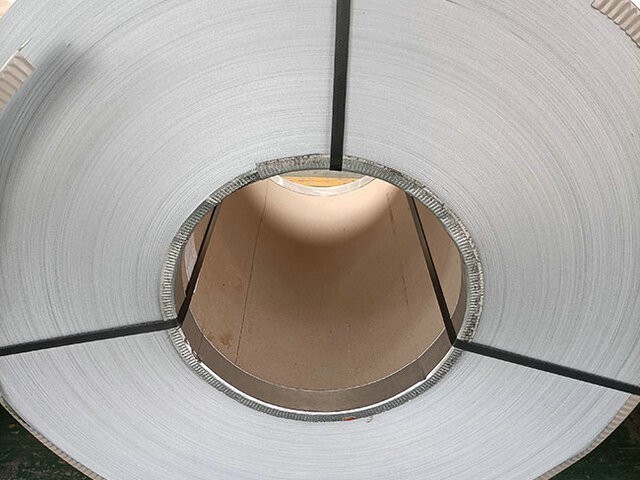
Apply an additional coating of epoxy resin, asphalt, or polyurethane over the galvanized layer to form “dual protection.”
Prevent scratching the galvanized layer during handling and installation. Promptly retouch damaged areas with anti-corrosion paint or cold-applied zinc spray.
In highly corrosive soils, avoid direct use of standard galvanized steel plate. Instead, consider alternatives like stainless steel or plastic-coated steel pipes.
In critical projects, extend galvanized steel plate lifespan through impressed current or sacrificial anode protection systems.
Conduct periodic assessments of soil corrosivity and pipe condition to implement timely repairs or replacements, preventing widespread corrosion failure.
As modern engineering demands increasingly stringent durability and safety requirements, galvanized steel plate applications and corrosion protection technologies continue to evolve:
New techniques like alloyed hot-dip galvanizing and aluminized zinc coating further enhance corrosion resistance.
New materials like polyethylene-coated steel pipes and internally/externally coated steel pipes are gaining popularity, replacing conventional galvanized steel plate in underground pipeline networks.
Real-time corrosion monitoring of underground pipelines via sensors, combined with big data analysis, enables predictive maintenance.
In Europe, America, and Southeast Asia, corrosion protection standards for construction steel and underground pipelines are progressively rising, imposing stricter requirements on galvanized layer thickness and coating uniformity.
Galvanized steel plates, as an economical and practical corrosion-resistant material, perform well in underground applications but are not entirely rust-proof. Their service life depends on galvanized layer quality, construction techniques, operating environment, and maintenance measures.
- In neutral or weakly alkaline soils, galvanized steel plates can remain stable for decades;
- In highly corrosive environments, without additional protection, its lifespan may fall below 10 years.
Therefore, when selecting galvanized steel plates, decisions should be made scientifically by balancing their advantages, application scenarios, and protective measures to ensure safety and durability. In the future, with the application of new materials and technologies, the corrosion resistance of galvanized steel plates will be further enhanced, providing more robust protection for urban and industrial infrastructure.
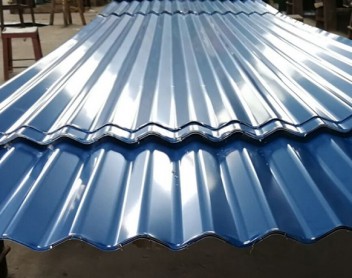
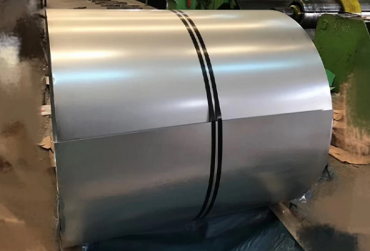
China galvanized plate manufacturer: Boxing Shuangshengda Steel specializes in galvanized sheet, galvanized steel plate,Colour steel plate etc.We have a full range of product specifications and types, low prices, and more than 20 years of experience, worthy of your trust
 Address:Bo Xing County, Shandong Province
 E-mail: