
What are the uses of color coated roll?

In the grand picture of industry, painted scrolls are like a versatile artist, weaving through various fields with a unique posture. It is a dazzling star on the architectural stage, outlining a sturdy and splendid outline for the factory building; It is an exquisite embellishment in the world of home appliances, making daily necessities both practical and beautiful; Being a silent guardian in the automotive industry, adding peace of mind to travel; It is also a reliable partner in the field of transportation, accompanying goods across mountains and rivers. So, what are the diverse uses of color coated rolls? The following analysis will be conducted from four dimensions: application field, performance advantages, technical parameters, and selection suggestions.


1. Core application areas of color coated rolls

1. Construction industry

(1)Steel structure buildings: Color coated rolls are the main exterior wall and roof materials for light steel structure factories, warehouses, and sports venues, accounting for over 60%. Its lightweight (density 7.85g/cm ³) and high-strength (yield strength 235-550MPa) characteristics can reduce the self weight of buildings by 20% -30%, while the coating provides corrosion resistance protection for more than 20 years.
(2)Civil buildings: External wall decorative panels used for residential and commercial complexes, replacing traditional tiles and coatings. The surface can be processed into wood grain, stone grain, printing and other textures to meet personalized design needs.

(3)Public facilities: The roof systems of airport terminals, high-speed railway stations, and subway stations use color coated rolls, which have wind resistance performance (up to 2.5kPa) and waterproof performance (water vapor transmission rate ≤ 0.1g/(m ² · 24h)) that meet the requirements of large public buildings.


Color coated roll


2. Home appliance industry

(1)Shell manufacturing: The shells of household appliances such as refrigerators, washing machines, and air conditioners are made of color coated rolls, with coating hardness (pencil hardness ≥ 2H) and wear resistance (Taber wear ≤ 5mg/1000 revolutions) that can resist scratches and corrosion during daily use.
(2)Internal components: The inner lining of microwave ovens and ovens is made of high-temperature resistant color coated rolls (temperature resistance ≥ 200 ℃), and the coating adhesion (grid cut method ≤ level 1) ensures long-term use without detachment.
(3)Environmental requirements: Color coated rolls for household appliances must comply with the RoHS directive (with a content of six harmful substances including lead, mercury, cadmium, etc. ≤ 0.1%), and some high-end products must pass food grade certification (FDA standards).

3. Transportation industry

(1)Automobile manufacturing: The cabin panels of light trucks and buses are made of high-strength color coated rolls (yield strength ≥ 550MPa) with a thickness of 0.8-1.5mm. The coating has stone impact resistance (drop ball impact test ≥ 5J) to prevent damage from crushed stones during driving.
(2)Rail transit: The interior panels of subway vehicles and high-speed rail carriages are made of flame-retardant color coated rolls (oxygen index ≥ 32%), and the combustion performance of the coating meets the B1 level standard of GB 8624-2012.

(3)Shipbuilding: The decks and cabins of small yachts and fishing boats are coated with salt spray resistant color rolls (salt spray test ≥ 1000h), and the coating's weather resistance (QUV accelerated aging test ≥ 2000h) is suitable for marine environments.


2. Performance advantages of color coated rolls

1. Corrosion resistance

(1)Coating type: Polyester (PE) coating with salt spray resistance of 500-1000h, Silicon Modified Polyester (SMP) coating with salt spray resistance of 1000-2000h, Fluorocarbon (PVDF) coating with salt spray resistance of ≥ 2000h.
(2)Substrate selection: The corrosion resistance of galvanized steel sheet (zinc layer thickness ≥ 20 μ m) is 3-5 times that of cold-rolled steel sheet, and the corrosion resistance of aluminum zinc coated steel sheet (aluminum zinc layer thickness ≥ 50 μ m) is 2-3 times that of galvanized steel sheet.

2. Decorative

(1)Color diversity: More than 2000 colors from RAL and PANTONE standard color cards can be provided, supporting customized colors (color difference Δ E ≤ 1.5).
(2)Surface effects: smooth (glossiness 60-90%), matte (glossiness 10-30%), metallic texture (aluminum powder content 5-15%), printing (resolution ≥ 300dpi) and other effects.

3. Processing capability

(1)Molding performance: Elongation rate (A80) ≥ 18%, can meet 90 ° bending (inner radius ≥ 1.5t, t is plate thickness) without cracking.
(2)Welding performance: The laser welding speed can reach 10m/min, and the weld strength is ≥ 90% of the substrate strength.

(3)Cutting performance: plasma cutting edge flatness ≤ 0.2mm, laser cutting heat affected zone ≤ 0.1mm.
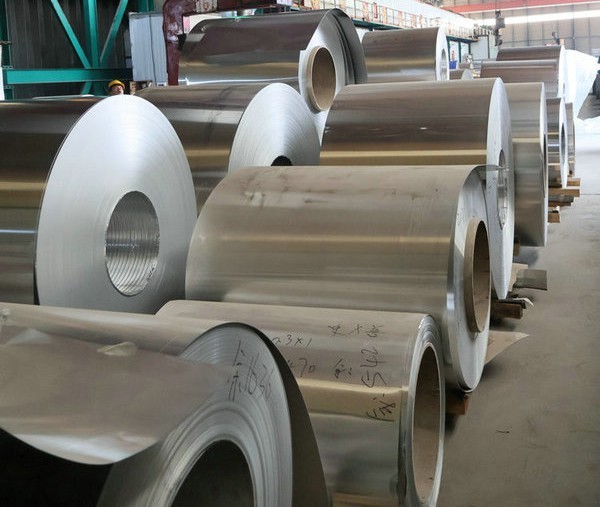

Color coated roll


3. Comparison of Technical Parameters for Color Coated Rolls

Table 1: Performance Comparison of Different Coating Types


Coating Type


Salt Spray Resistance (h)


Weather Resistance

(QUV h)


Hardness

(H)


Cost Coefficient

Suitable Scenarios

Polyester (PE)

500-1000

800-1500

2-3


1.0

Ordinary industrial buildings, home appliance casings

Silicone-Modified Polyester (SMP)

1000-2000


1500-2500

3-4

1.3

Chemical plant buildings, coastal buildings

Fluorocarbon (PVDF)

≥2000

≥2500

4-5

1.8

High-end building curtain walls, transportation vehicles


Table 2: Performance Comparison of Different Substrate Types


Base Material Type


Yield Strength

(MPa)

Elongation (%)

Corrosion Resistance

(Years)

Cost Coefficient

Suitable Scenarios

Cold-Rolled Steel Sheet (CR)


235-345


20-30

3-5

1.0

Temporary buildings in dry environments

Hot-Dip Galvanized Steel Sheet (GI)

270-410

18-25


10-15

1.2

Ordinary industrial buildings

Galvalume Steel Sheet (GL)

345-550

15-20


20-30

1.5

Chemical and coastal high-corrosion environments

Stainless Steel Sheet (SS)

520-700

10-15


50+

3.0

Food processing, pharmaceutical industry


4. Selection and maintenance points of color coated rolls

1. Selection principles

(1)Environment matching: Select coatings and substrates based on the corrosiveness level of the usage environment. For example, fluorocarbon coating+aluminum zinc substrate should be used in coastal areas, while polyester coating+hot-dip galvanized substrate can be used in dry inland areas.
(2)Performance requirements: Select plate thickness and hardness according to the processing method. For example, deep drawing requires the use of soft boards with an elongation rate of ≥ 22%, while simple bending can use ordinary boards with an elongation rate of ≥ 18%.
(3)Cost optimization: Prioritize selecting combinations with lower costs while meeting performance requirements. For example, ordinary industrial plants can use polyester coating+hot-dip galvanized substrate, which reduces costs by 40% compared to fluorocarbon coating+aluminum zinc coated substrate.

2. Maintenance suggestions

(1)Regular inspection: Check the coating surface every six months. If scratches (depth ≥ 0.1mm) or rust (area ≥ 1cm ²) are found, they should be repaired in a timely manner.
(2)Cleaning and maintenance: Clean the surface once a year with a neutral cleaner and avoid using steel wire balls or strong acid or alkali cleaners.

(3)Moisture resistant storage: Unused color coated rolls should be stored in a dry and ventilated warehouse with a relative humidity of ≤ 60% and a stacking height of ≤ 1.5m to prevent deformation of the coating under pressure.
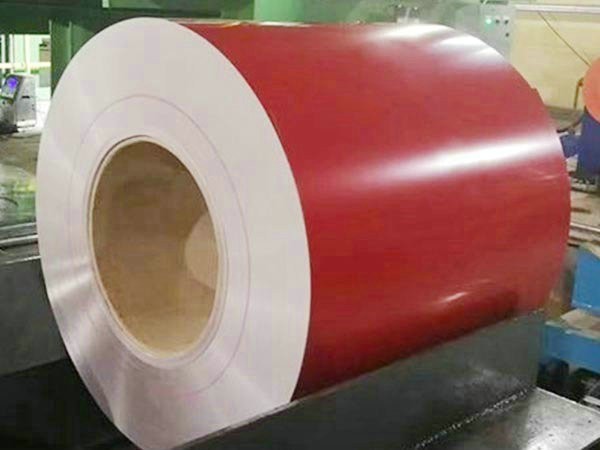

Color coated roll


5. Industry Development Trends

(1)Environmental Protection: Water based coatings (VOC content ≤ 50g/L) are gradually replacing solvent based coatings, in compliance with the GB/T 30981-2020 standard.
(2)Functionalization: Develop functional products such as self-cleaning coatings (contact angle ≥ 150 °), antibacterial coatings (Escherichia coli sterilization rate ≥ 99%), and fire-resistant coatings (combustion performance grade A).

(3)Lightweight: By using high-strength steel substrate (yield strength ≥ 700MPa) and thin coating technology (coating thickness ≤ 15 μ m), the weight per unit area can be reduced by 20% -30%.

Conclusion: As a composite material of metal and coating, color coated rolls are widely used in three major fields: construction, home appliances, and transportation. Their core advantages lie in corrosion resistance, decorative properties, and processability. When selecting, it is necessary to comprehensively consider the usage environment, performance requirements, and cost, and give priority to products certified by GB/T 12754-2019. In the future, environmental protection, functionalization, and lightweighting will become the main development directions of the color coated roll industry. It is recommended that users pay attention to new technology products such as water-based coating and self-cleaning coating.
Contact
 Address:Bo Xing County, Shandong Province
 E-mail:ssd@cnsststeel.com