
 Language


More Language
Language
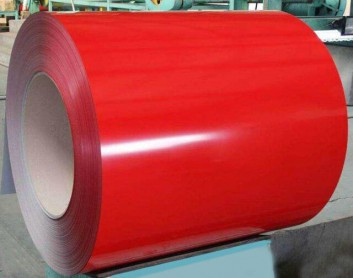
In the field of metal sheet processing and decoration, printed color coated plates are sparking an innovative revolution with their unique charm and excellent performance. As a composite material based on metal coils, coated with organic coatings or plastic films on the surface, and endowed with diverse patterns and colors through advanced printing technology, printed color coated plates not only break through the color limitations of traditional color boards, but also achieve a qualitative leap in decoration and functionality, becoming a new favorite in industries such as construction, home appliances, and automobiles.
The main substrates for printed color coated plates are cold-rolled steel plates, galvanized steel plates, and aluminum plates. Among them, cold-rolled steel plates are commonly used for building exterior walls due to their low cost and high strength; Aluminum plates have become the preferred choice for high-end home appliances and transportation vehicles due to their lightweight and corrosion-resistant properties. The thickness of the substrate is usually between 0.3-2.0mm, and it needs to undergo flatness treatment to ensure coating adhesion.
(4) Clear varnish: optional, used to enhance the glossiness and scratch resistance of coatings.
(2) Post printing process: Based on the pre coated whiteboard, personalized customization is achieved by overlaying patterns through screen printing, digital printing, or heat transfer printing technology. This is commonly used in home appliance panels and advertising signs.
The substrate needs to undergo processes such as degreasing, acid washing, phosphating, etc. to remove surface oil stains and oxide layers, form a phosphate conversion film, and enhance coating adhesion. For example, galvanized steel plates need to use chromium free phosphating solution to meet environmental requirements.
(3) Printing method: Combining UV curing technology to achieve high-precision pattern transfer, with a resolution of up to 1200dpi.
The coating needs to be cured in an oven at 200-250 ℃ for 10-15 minutes to crosslink the resin and form a dense film layer. After curing, the coating should be formed through stamping, bending and other processes to ensure that there is no cracking or peeling of the coating.
The salt spray resistance test of fluorocarbon coated board can reach more than 5000 hours, suitable for coastal or highly polluted environments. Polyester coated boards can extend their outdoor service life to 10-15 years by adding UV absorbers.
Printed color coated plates can simulate textures such as metal wire drawing, wood grain, stone grain, etc., meeting the personalized needs of architectural decoration. Meanwhile, by adding antibacterial agents or self-cleaning coatings, its applications in the medical and food processing fields can be expanded.
China galvanized plate manufacturer: Boxing Shuangshengda Steel specializes in galvanized sheet, galvanized steel plate,Colour steel plate etc.We have a full range of product specifications and types, low prices, and more than 20 years of experience, worthy of your trust
 Address:Bo Xing County, Shandong Province
 E-mail: