
 Language


More Language
Language
Introduction to the difference between aluminum plate and GI sheet:
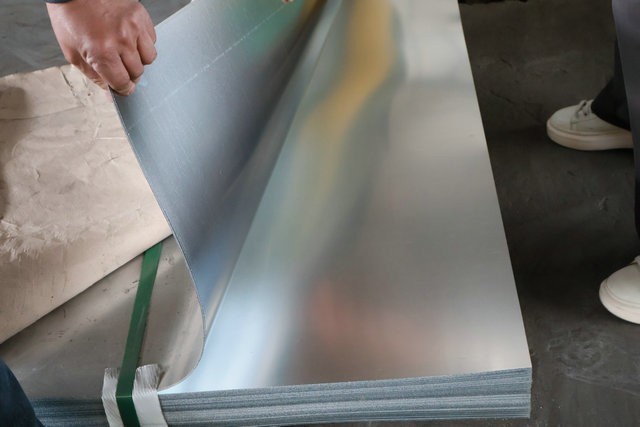
Aluminum plate, as the name suggests, is a metal sheet primarily composed of aluminum, which may contain small amounts of other alloying elements to improve its performance. GI sheet is coated with a layer of zinc on the surface of the steel plate, which is achieved through processes such as hot-dip galvanizing or electroplating to enhance the corrosion resistance of the steel plate.
Aluminum plates have the characteristics of low density and light weight, with a density of only about one-third of steel, which makes them more convenient to transport and install. At the same time, aluminum plates also have good corrosion resistance and aesthetics, and the surface can be painted in various colors to meet decorative needs. GI sheets are known for their high strength and good wear resistance, which can withstand large external forces and impacts, and are not easily deformed or damaged.
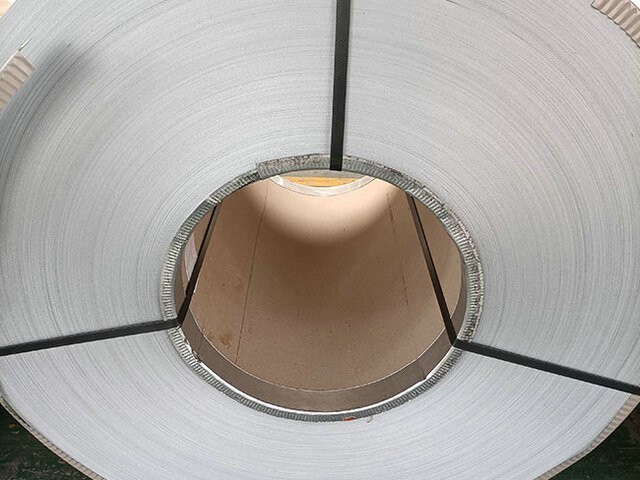
Due to its lightweight and corrosion resistance, aluminum plates are often used in aerospace, automotive manufacturing, electronic products, and other fields, such as aircraft casings, car body parts, and casings for mobile phones and computers. GI sheets are widely used in industries such as building structures, machinery manufacturing, and shipbuilding due to their high strength and wear resistance, such as steel structure frames for buildings, components for mechanical equipment, and ship hulls.
China galvanized plate manufacturer: Boxing Shuangshengda Steel specializes in galvanized sheet, galvanized steel plate,Colour steel plate etc.We have a full range of product specifications and types, low prices, and more than 20 years of experience, worthy of your trust
 Address:Bo Xing County, Shandong Province
 E-mail: