
 Language


More Language
Language
As the construction industry continues to evolve, modern architecture places increasingly high demands on roofing materials. Beyond basic functions such as weatherproofing (protection against rain and wind) and safeguarding the building structure, roofing materials must also offer excellent weather resistance, ease of processing, installation efficiency, and aesthetic appeal. Against this backdrop, color steel tiles—characterized by their light weight, diverse color options, ease of installation, and broad applicability—are widely used across various sectors, including industrial, commercial, and residential buildings, as well as warehouses and temporary structures.
color steel tiles are more than just simple roofing materials. Depending on their structure and design, they can also be utilized for building facades, factory enclosures, warehouse partitions, and certain decorative applications. Since different projects have varying requirements regarding sheet thickness, coating types, profiles (corrugation patterns), and installation methods, the selection process must take the specific operating environment into account.
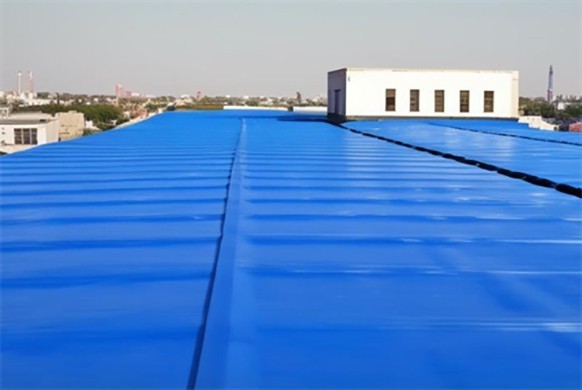
Color steel tiles are metal panels that have undergone color coating and profiling processes. Typically, the base material is a steel sheet that is treated with protective plating and coatings before being shaped into corrugated panels with various cross-sectional profiles by profiling equipment.
Common structural layers include: the color-coated steel substrate, a protective metal plating layer, a chemical pretreatment layer, a primer, and a topcoat. This multi-layer protection grants the sheets significant corrosion and weather resistance. Additionally, the profiled structure enhances the panel's overall rigidity, making it highly valuable for use in building roofing and wall systems.
Colors and profiles can be selected to meet specific project requirements. Common colors include blue, red, gray, green, and white, though custom colors are also available to match architectural designs.
Roofing represents the primary application for color steel tiles. Large-scale roofs on industrial plants, warehouses, workshops, and commercial buildings typically require materials that are relatively lightweight and allow for efficient installation. color steel tiles can be profiled into specific shapes suitable for roof covering. During installation, multiple sheets are assembled according to the roof's dimensions and secured using screws, support structures, and other accessories. Color steel tile primarily serves the following functions: shielding against rain; preventing wind and rain from directly entering the building interior; protecting internal equipment and goods; forming the building's exterior envelope; and enhancing the building's overall appearance. For large-scale industrial plants and warehouses, roof areas are typically extensive, making construction efficiency a key factor in material selection. color steel tiles are relatively lightweight and can be manufactured as standardized units, facilitating transport, handling, and on-site installation.
Industrial plants represent a major application area for color steel tiles. Many manufacturing enterprises require large-span facilities for machining, metal fabrication, warehousing, assembly, and production activities. Such buildings typically require roofing and wall cladding materials that cover large surface areas. color steel tiles can be fabricated and installed to suit the plant's structural design, forming the building's exterior envelope system.
Examples include: machining plants, steel-structure plants, metal processing workshops, production workshops, assembly workshops, and industrial warehouses. When using color steel tiles for industrial plants, the panel thickness and coating type must be selected based on local climate conditions and the architectural design. If the plant is located in a high-humidity or coastal area, the material's corrosion resistance is a critical consideration.
Warehouses require long-term protection for the goods stored inside; therefore, the stability of roofing and wall materials is paramount. color steel tiles can be used for warehouse roofing or in conjunction with other building panels.
Common types of warehouses include: industrial warehouses, logistics warehouses, agricultural produce warehouses, building material warehouses, equipment warehouses, and commercial storage facilities. color steel tiles offer rapid installation, providing a distinct advantage for large-scale warehouse projects requiring quick construction. Additionally, the panels can be manufactured to specific dimensions, thereby minimizing the need for on-site processing.
It should be noted that if a warehouse stores specialized products—such as high-value equipment, food, or temperature-sensitive goods—the roofing system may require specialized design features for thermal insulation, heat shielding, and fire protection.
Color steel tiles are also widely used in residential and rural construction. Applications include: residential roofing, rural housing roofs,
garage roofs, carports, courtyard outbuildings, and simple structures. Compared to traditional roofing materials, color steel tiles are relatively lightweight and simple to install. They are also a viable option when renovating the roofs of older buildings.
However, residential roofing must meet various requirements—such as waterproofing, thermal insulation, soundproofing, and fire resistance—so one cannot base the decision solely on the cost of the panels. If the residence is located in a hot region, heat insulation design should be considered; in cold winters, thermal insulation layers are necessary; and in areas with heavy rainfall, drainage and waterproofing details require special attention.
Agricultural buildings represent another major application area for color steel tiles. Examples include agricultural warehouses, farm machinery sheds, livestock facilities, feed storage,
produce storage buildings, and agricultural production workshops.
Agricultural buildings often require roofing materials that cover large surface areas; the ease of installation associated with color steel tiles offers a distinct advantage in this regard.
In agricultural environments, factors such as humidity, ammonia, and other corrosive elements can affect the long-term durability of metal materials. Therefore, when using these tiles for livestock facilities, it is essential to select appropriate plating and coatings based on the specific environment and to incorporate effective ventilation and drainage designs.
Compared to some traditional roofing materials, color steel tiles are lighter, which facilitates transport and installation while reducing the overall weight of the building envelope system.
These tiles are typically mass-produced to standard specifications, and panels can be fabricated according to project requirements, enabling rapid on-site installation.
color steel tiles come in various colors, allowing buildings to achieve different visual effects based on design specifications.
The steel sheets can be cut, profiled, and otherwise processed to meet specific product requirements.
From industrial plants to residences, and from warehouses to agricultural facilities, color steel tiles can meet diverse architectural needs through various specifications.
Provided the material quality is reliable, installation is performed correctly, and the environment is suitable, regular inspections and maintenance can keep the roofing system in good working order.
The service life of color steel tiles is not a fixed figure. Many people assume that simply purchasing color steel tile panels guarantees a specific service life. In reality, the material's actual durability is influenced by several factors.
First is the quality of the steel substrate. Factors such as steel thickness, coating weight, and overall material quality affect product performance.
Second is the type of coating. Different coatings offer varying levels of weather resistance. If a building is exposed to intense sunlight, rain, and temperature fluctuations over the long term, the coating must be selected to suit that specific environment.
Third is the local climate. Dry, humid, and coastal regions affect metal roofing corrosion in different ways.
Fourth is installation quality. Improper handling of roof connections or prolonged water pooling can compromise the performance of the roofing panels.
Therefore, when selecting color steel tile, one should consider the material, environmental conditions, and installation requirements holistically, rather than focusing solely on price.
(1) Determine the intended use: Is it for roofing, wall cladding, warehouses, or other structures? Different applications may require different panel profiles.
(2) Determine the panel thickness: Different buildings have varying requirements for load-bearing capacity and rigidity.
(3) Pay attention to the metallic coating: The metallic coating is a crucial factor in the steel sheet's corrosion resistance.
(4) Select the appropriate finish coating: Different environments require different levels of weather resistance.
(5) Confirm the panel profile and dimensions: Effective width, rib height, and installation methods vary depending on the profile design.
(6) Consider installation accessories: Screws, seals, flashing, and other accessories all impact the overall performance of the roofing system.
Color steel tile is primarily used for roof coverings but is also suitable for industrial plants, warehouses, commercial buildings, residences, agricultural facilities, temporary structures, and certain wall applications. Characterized by relatively light weight, ease of installation, a wide range of colors, good workability, and broad applicability, it holds significant value in modern steel-structure construction.
However, the performance and service life of these panels are closely linked to the steel substrate, metallic coating, finish coating, panel thickness, local climate, and installation quality. When selecting color steel tile, purchasing enterprises and construction projects should look beyond price; instead, they should choose the appropriate profile, thickness, and surface finish based on the building's intended use, environmental conditions, and specific engineering requirements.
From industrial plants and modern warehouses to agricultural facilities and residential roofing, color steel tile is being utilized in the construction industry in increasingly diverse forms. Driven by continuous advancements in metal materials and construction techniques, this material will remain a highly practical choice for roofing and building envelope systems in modern architecture.
China galvanized plate manufacturer: Boxing Shuangshengda Steel specializes in galvanized sheet, galvanized steel plate,Colour steel plate etc.We have a full range of product specifications and types, low prices, and more than 20 years of experience, worthy of your trust

 Address:Bo Xing County, Shandong Province
 E-mail: