
 Language


More Language
Language
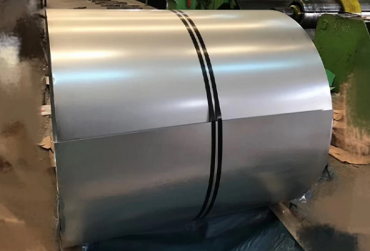
Galvanized steel plate is a material that prevents steel corrosion by coating the surface of the steel plate with a layer of zinc. It is widely used in fields such as construction, automobiles, household appliances, and machinery manufacturing. The production process of galvanized steel sheet has the following characteristics:
The substrate of galvanized steel sheet is usually made of cold-rolled steel sheet or hot-rolled steel sheet, and the quality of the substrate directly affects the adhesion of the galvanized layer and the performance of the product. Before galvanizing, the substrate needs to undergo strict pretreatment, including cleaning, acid washing, rinsing, and drying steps. The purpose of these steps is to remove oil stains, rust, and oxide layers from the surface of the steel plate, ensuring that the galvanized layer can firmly adhere to the substrate surface.
Electrogalvanizing: Electrogalvanizing is the process of depositing a layer of zinc on the surface of a steel plate through the principle of electrolysis. The coating of electroplated zinc is relatively thin, usually 5-30 microns, with a smooth and uniform surface, and has good processing performance and decorative properties. The characteristics of electroplating galvanizing process are controllable coating thickness and high surface quality, but relatively poor corrosion resistance, suitable for indoor environments and products with high surface requirements.
The coating of electroplated zinc is mainly composed of pure zinc, with a smooth and uniform surface, but lacks the hardness and wear resistance of a zinc iron alloy layer. In order to improve the corrosion resistance of electroplated galvanized steel plates, passivation treatment is usually carried out after galvanizing to form a dense passivation film, further enhancing their corrosion resistance.
Phosphating treatment: Phosphating treatment is to form a layer of phosphate film on the surface of galvanized steel sheet to improve its adhesion with the coating. Phosphating treatment is usually used for galvanized steel plates that require subsequent coating.
The production process of galvanized steel sheet also has certain characteristics in terms of environmental protection and energy conservation. Although the hot-dip galvanizing process consumes a lot of energy, it can be reduced by improving equipment and optimizing process parameters. The electroplating process can reduce its impact on the environment by using environmentally friendly plating solutions, wastewater treatment, and other measures. In addition, galvanized steel plates have a long service life and can reduce steel consumption, thereby reducing resource waste and environmental pollution.
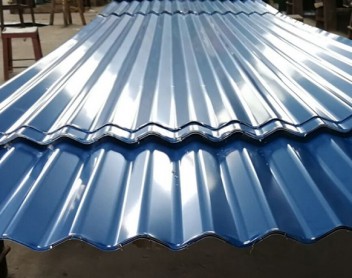
The production process of galvanized steel sheet can be adjusted according to different application needs to produce various types of products. For example, by controlling the thickness and structure of the galvanized layer, different types of products such as ordinary galvanized sheet, high-strength galvanized sheet, and fingerprint resistant galvanized sheet can be produced. In addition, galvanized steel plates can also undergo subsequent color coating treatment to produce color coated steel plates, which are widely used in the fields of construction and home appliances.
China galvanized plate manufacturer: Boxing Shuangshengda Steel specializes in galvanized sheet, galvanized steel plate,Colour steel plate etc.We have a full range of product specifications and types, low prices, and more than 20 years of experience, worthy of your trust
 Address:Bo Xing County, Shandong Province
 E-mail: