The key to determining whether a Color coated metal sheet needs to be replaced is to conduct a comprehensive evaluation based on its lifespan characteristics and actual signs of aging. When structural damage or functional failure occurs in materials, they should be replaced promptly to ensure safety and aesthetics.
1、 Determine the timing of replacement based on the lifespan stage
The service life of Color coated metal sheets is usually divided into three stages, with different maintenance or replacement decisions corresponding to each stage:
End of decorative lifespan (approximately 8-12 years)
Color coated metal sheets exhibit significant fading, slight powdering, and localized cracking, affecting the appearance of the building but not yet endangering structural safety.
At this point, there is no need for replacement. Surface renovation or partial repair can be considered, especially for iconic buildings with high aesthetic requirements.
Renovation service life expires (approximately 12-20 years)
The Color coated metal sheet exhibits phenomena such as large-scale coating peeling, rust spreading, and loose joints, and the substrate begins to be threatened by corrosion.
It is recommended to initiate a comprehensive inspection, replace the severely affected areas, and try professional renovation for the remaining parts.
Extreme service life approaching or exceeding (20 years or more)
The Color coated metal sheet has structural corrosion, perforation, deformation, and loss of enclosure function, and its performance cannot be restored through maintenance.
It must be replaced as a whole to avoid safety hazards such as water leakage and collapse.
2、 The combined impact of environment and usage conditions
Color coated metal sheet, even if they have not reached the theoretical service life, will significantly shorten their actual usable time in special environments and need to be replaced in advance
Coastal high salt spray areas: Corrosion rate is more than 30% faster than inland areas, and it is recommended to replace PVDF+aluminum zinc plated plates with a service life of over 15 years.
Industrial pollution areas: Acid rain and sulfide accelerate the degradation of coatings, and professional testing should be conducted every 5 years.
High temperature and high humidity areas: Frequent thermal expansion and contraction can easily lead to fatigue cracking of coatings, and special attention should be paid to the sealing status of joints.
Tip: White or light colored coatings have better heat reflection performance, and the surface temperature can be nearly 20 ℃ lower than dark colors, which helps to delay aging. When replacing, priority should be given to high reflectivity colors to enhance energy efficiency.
3、 Change the decision-making suggestion process
Observation: Regularly inspect and record the aging parts and degree.
Assessment: Distinguish between surface damage and structural failure.
Test: Use a magnetic thickness gauge to measure the remaining thickness of the coating. If it is less than 50% of the original value, it is recommended to replace it.
policy decision:
Local damage → Local replacement+anti-corrosion treatment
Large scale aging → overall renovation or system replacement
Function loss → Replace immediately to ensure safety
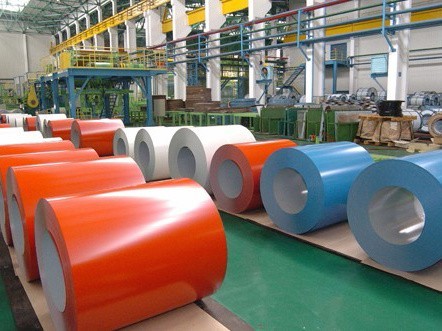
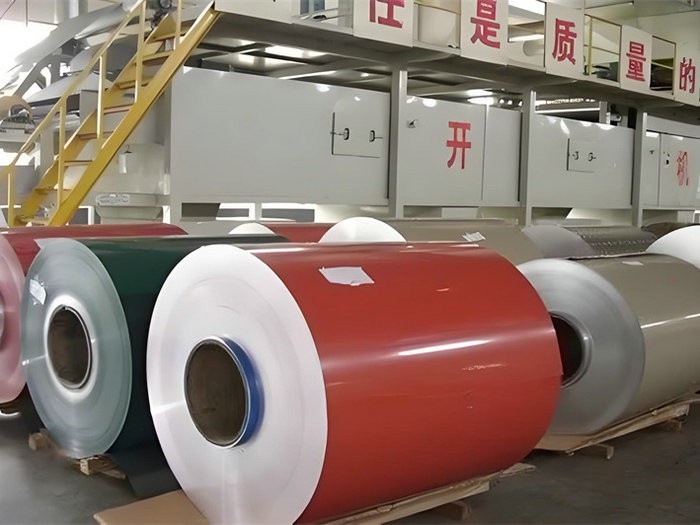
Color coated metal sheet is a composite material formed by coating organic coatings or plastic films on a metal substrate (such as cold-rolled steel, galvanized steel, aluminum, or stainless steel) after chemical treatment, and curing at high temperatures. It is widely used in fields such as construction, home appliances, and transportation.

 Language


 Address:Bo Xing County, Shandong Province
 E-mail: