
 Language


More Language
Language
In the fields of home renovation and furniture manufacturing, the choice of plates directly impacts the aesthetics, durability, and environmental friendliness of a space. In recent years, nano plates have gained popularity among consumers and designers as an emerging material due to their high gloss, stain resistance, and wear resistance.
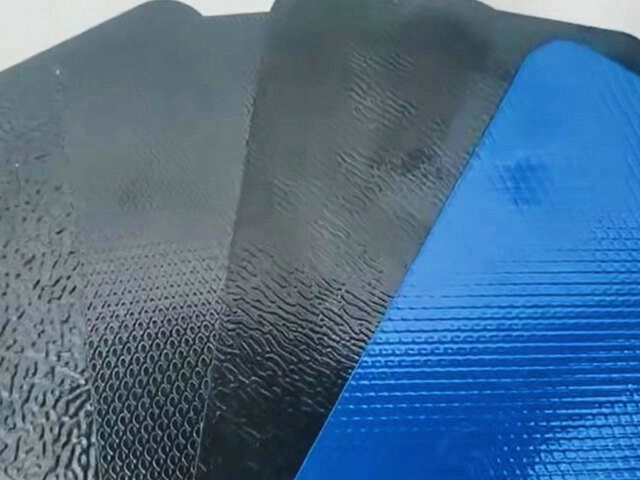
Nano plates are engineered wood products treated with nanotechnology. Typically based on medium-density fiberboard (MDF), particleboard (chipboard), or plywood, their surfaces are coated with nano scale chemical layers (such as silica, titanium dioxide, or nano-polymers) to form a smooth, wear-resistant, and stain-resistant protective layer. Nanotechnology creates a uniform coating 10–100 nano meters thick that fills the substrate's micro-pores, enhancing the plate's physical and chemical properties. Nano plates fall under decorative laminates and are commonly used in whole-house customization, decorative plates, and furniture manufacturing.
- Base Material: Medium-density fiberboard (MDF, density 450–800 kg/m³), particleboard (density 500–700 kg/m³), or plywood, providing structural strength.
- Nano plate: Composed of silicon dioxide (SiO₂), titanium dioxide (TiO₂), or nano scale polymers, featuring high hardness (Mohs hardness 6–8), low surface energy (water/stain resistance), and antimicrobial properties (in select products).
- Bonding Layer: Utilizes eco-friendly adhesives (e.g., urea-formaldehyde resin, MDI formaldehyde-free glue) or hot-pressing techniques to bond the coating to the substrate.
- Decorative Layer: Some nano plates incorporate decorative paper (e.g., wood grain, stone patterns) beneath the coating to enhance aesthetics.
The manufacturing process for nano plates integrates traditional plate production with nanotechnology, comprising the following key steps:
- Substrate Preparation: Select high-quality MDF or particleboard, sanding to ensure surface flatness.
- Nano plate Preparation: Prepare nano plate solutions via sol-gel or chemical vapor deposition (CVD) methods, incorporating components like SiO₂ and TiO₂.
- Coating Application: Apply the nano plate uniformly to the substrate surface using roller coating, spray coating, or vacuum deposition techniques, controlling the coating thickness between 10 and 100 nano meters.
- Curing Treatment: Ensure the coating bonds firmly to the substrate through ultraviolet (UV) curing or high-temperature baking (80–120°C).
- Post-processing: Cutting, edge sealing, and polishing ensure precise plate dimensions and a smooth surface finish.
- Quality inspection: Tests for coating hardness, abrasion resistance, stain resistance, and formaldehyde emission comply with GB 18580-2017 “Limits for Formaldehyde Emission from Interior Decoration and Renovation Materials—Engineered Wood plates and Products.”
- Nano MDF plate: Medium-density fiberboard substrate, suitable for carving and intricate designs, commonly used for wardrobe doors.
- Nano Particleboard plate: Particleboard substrate, lower cost, ideal for flat-pack furniture.
- Nano Antibacterial plate: Incorporates antibacterial nano-materials (e.g., TiO₂), suitable for kitchens, bathrooms, or hospitals.
- Nano High-Gloss plate: Surface gloss >90%, mirror-like visual effect, suitable for modern interior designs.
- Features: Nano coating achieves surface gloss exceeding 90%, delivering a mirror-like finish with a premium, sophisticated visual impact.
- Advantages: Can replicate wood grain, stone patterns, and metallic textures with diverse color options (customizable RAL color chart), suitable for modern, light luxury, Nordic, and other interior styles.
- Applications: Used for cabinet doors, TV cabinets, and decorative wall plates to elevate space sophistication.
- Features: The nano plate possesses low surface energy, making it difficult for stains (such as oil or ink) to adhere. With minimal surface porosity, dust accumulation is significantly reduced.
- Advantages: Easily cleaned with a damp cloth or neutral detergent, requiring no special maintenance. Ideal for high-traffic areas like kitchens and bathrooms.
- Testing: Oil-based marker marks wiped clean without residue after 5 minutes of standing, achieving stain resistance level 4+ (ISO 13006 standard).
- Features: Nano plate exhibits high hardness (Mohs scale 6–8), strong scratch resistance, and abrasion resistance meeting PEI III grade (suitable for residential use).
- Advantages: Resists daily scratches, ideal for households with children or pets, extending furniture lifespan (approx. 15–20 years).
- Testing: No visible scratches when scraped with keys or coins.
- Features: Nano plate seals substrate surface, achieving water absorption <0.5%, outperforming standard paint-free boards.
- Advantages: Suitable for mildly humid environments (e.g., kitchens, bathrooms), reducing risks of substrate swelling or mold growth.
- Note: Substrate still requires high-quality edge sealing to prevent moisture penetration.
- Eco-Friendliness: Premium nano plates use ENF-grade substrates (formaldehyde emission ≤0.025mg/m³), compliant with GB 18580-2017 “Limits for Formaldehyde Emission from Interior Decoration and Renovation Materials—Engineered Wood Products and Their Components.” Suitable for children's rooms or sensitive individuals.
- Antibacterial Properties: Certain products incorporate nano-TiO₂ for photocatalytic antibacterial functionality, inhibiting Escherichia coli and Staphylococcus aureus (certified per ISO 22196).
- Advantages: Enhances indoor health standards, suitable for public spaces like hospitals and kindergartens.
- Features: Base materials (MDF or particleboard) are easy to cut, drill, and carve; nano-coating does not affect processing performance.
- Advantages: Suitable for whole-house customization, meeting complex design requirements (e.g., European-style carved door plates).
- Applications: Used in custom furniture such as wardrobes, bookshelves, and kitchen cabinets.
- Whole-House Customization: Wardrobe, bookcase, and TV cabinet doors. Wear-resistant and easy to clean, ideal for modern minimalist styles.
- Kitchen & Bath Spaces: Cabinet plates and bathroom vanities. Waterproof and stain-resistant, suitable for humid environments.
- Commercial Spaces: Hotel lobbies and retail counters. Mirror-like finish elevates sophistication.
- Public Areas: Hospital and kindergarten wall plates. Antibacterial properties ensure health safety.
- High-humidity environments: Areas with prolonged water exposure (e.g., shower enclosures) require moisture-resistant substrates and sealed edges.
- Flooring applications: High-gloss surfaces pose slip hazards and are unsuitable for flooring.
- Budget-constrained projects: Higher cost makes it unsuitable for rental properties or low-end renovations.
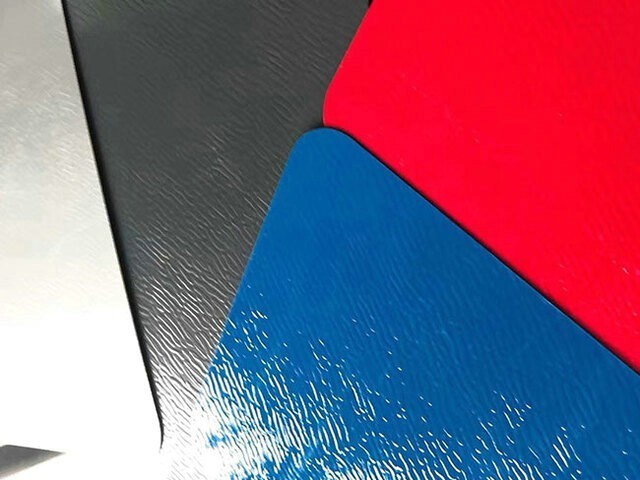
Prioritize well-known brands like Tubao, Daya, Sofia, or Oppein for assured product quality and after-sales service. Verify 3C, Ten-Ring, or ISO 9001 certifications.
Request formaldehyde emission test reports from suppliers. Opt for ENF-grade (≤0.025mg/m³) or E0-grade substrates.
- Test stain resistance with an oil-based marker; no residue should remain after wiping.
- Lightly scratch the surface with a key to check abrasion resistance.
- Observe gloss level; high-quality products exhibit clear reflection without bubbles.
- Living/Bedrooms: Select high-gloss nano plates (1220×2440×18mm), with wear resistance ≥ PEI III.
- Kitchens/Bathrooms: Choose antimicrobial types paired with moisture-resistant substrates.
- Commercial Spaces: Opt for custom colors to meet design requirements.
- Use PVC or ABS edging strips for seamless sealing.
- Use professional equipment for cutting and drilling to prevent coating damage.
- Inspect plates for flatness, no warping, or cracking after installation.
- Wipe with soft cloth and neutral detergent; avoid strong acidic or alkaline chemicals.
- Prevent scratches from sharp objects; regularly check edge sealing integrity.
- Maintain ventilation in humid environments to prevent moisture absorption by the substrate.
Nano plates offer new development opportunities for industries like architectural decoration and furniture manufacturing due to their eco-friendliness, high strength, antibacterial properties, and aesthetic appeal. However, their high cost, inconsistent quality, and challenging installation/maintenance require careful consideration in practical applications. With ongoing technological advancements and market standardization, these drawbacks will likely be effectively addressed, allowing their advantages to be more fully realized.
China galvanized plate manufacturer: Boxing Shuangshengda Steel specializes in galvanized sheet, galvanized steel plate,Colour steel plate etc.We have a full range of product specifications and types, low prices, and more than 20 years of experience, worthy of your trust
 Address:Bo Xing County, Shandong Province
 E-mail: