
 Language


More Language
Language
In modern industrial production and construction manufacturing, metal materials are widely used due to their high strength, malleability, and electrical and thermal conductivity. However, metal surfaces are susceptible to corrosion from water, oxygen, and pollutants, leading to rusting, strength degradation, and structural failure—significantly impacting product quality and service life. To effectively address this challenge, galvanized plates, as a metal material with outstanding rust-proofing properties, have become a crucial foundational material across multiple industries including construction, automotive, home appliances, transportation, and energy equipment.
Galvanized plates form a reliable protective barrier by coating the steel surface with a uniform, dense zinc layer. This not only blocks the intrusion of external corrosive agents but also provides “sacrificial anode protection” through electrochemical reactions, achieving long-term oxidation resistance and corrosion prevention. This article will delve into the advantages of galvanized plates in rust prevention, covering principles, performance benefits, and influencing factors.
Galvanized plates are produced through hot-dip galvanizing or electrogalvanizing processes, forming an exceptionally corrosion-resistant zinc layer on the steel surface. This metallic protective coating not only provides physical shielding but also exhibits self-healing and electrochemical protection in corrosive environments.
According to data published by the International Zinc Association (IZA):
- Hot-dip galvanized plates can last 20 to 50 years in ordinary atmospheric conditions;
- In dry rural environments, the corrosion rate of the coating is only 1–2 micrometers per year;
- Even in coastal or industrial areas with high salt and humidity, the annual corrosion rate is only 5–10 micrometers.
This means that a high-quality galvanized plate maintains rust prevention for decades, even under prolonged outdoor exposure, far surpassing the protection offered by ordinary paint or rust-preventive oils.
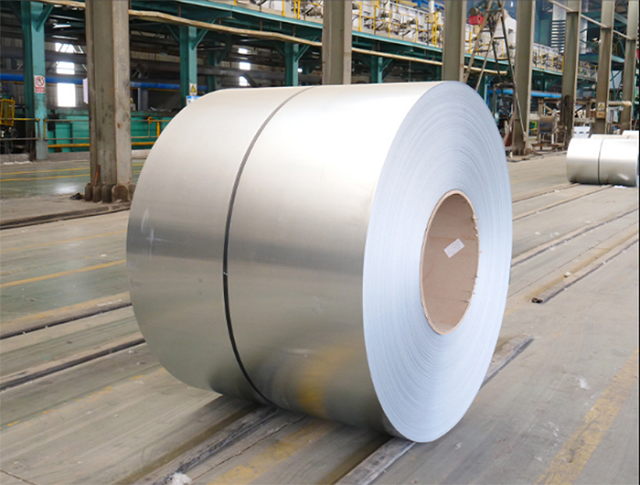
The galvanized coating features a dense structure with strong adhesion and higher hardness than conventional coatings. It effectively blocks air, moisture, and oxidizing gases from contacting the steel substrate, thereby eliminating the fundamental conditions for rust formation.
In rainy, high-humidity, or salt-fog environments, the coating's “barrier function” is particularly prominent. It prevents corrosion media from infiltrating through micro-cracks and capillary pores, effectively maintaining the integrity of the metal surface.
When the coating suffers mechanical damage or abrasion, the exposed steel substrate does not rust immediately. This occurs because zinc's electrode potential (-0.76V) is lower than iron's (-0.44V). In electrochemical reactions, zinc oxidizes preferentially, acting as a “sacrificial anode” to shield iron from corrosion. Reaction principles:
Anodic reaction: Zn → Zn²⁺ + 2e⁻
Cathodic reaction: O₂ + 2H₂O + 4e⁻ → 4OH⁻
Through this active protection mechanism, galvanized plate maintains rust prevention even with localized coating damage, achieving self-protection and extended service life.
When exposed to air and moisture, the zinc coating reacts with oxygen, carbon dioxide, and water to form basic zinc carbonate (Zn₅(OH)₆(CO₃)₂), creating a dense passivation layer (commonly known as “white rust”).
This protective layer effectively slows oxidation rates, further stabilizing the surface structure and maintaining the coating's protective properties during long-term service. According to the journal Corrosion Science, the passivation film can reduce zinc layer corrosion rates by over 30%.
The rust prevention performance of galvanized plates is closely related to the process method and zinc coating thickness. Currently, industrial production primarily employs the following two processes:
Process Type
Zinc Layer Thickness (μm)
Typical Applications
Hot-dip galvanizing
Building steel structures, transmission towers
Electrogalvanizing
Automotive sheet metal, appliance housings
50-150
5-25
Hot-dip galvanizing offers superior longevity due to its thicker zinc coating, effectively resisting high humidity, high salinity, and acidic environments. Electrogalvanized, however, is renowned for its fine appearance and dimensional accuracy, making it more suitable for products requiring surface decoration and high machining precision.
The service life of galvanized plates is closely tied to their operating environment.
- Dry, low-pollution environments: Low corrosion rates, with lifespans exceeding 40 years.
- Industrial atmospheres or coastal environments: High concentrations of sulfides and chloride ions accelerate corrosion.
- Acid rain or high-humidity environments: Low pH levels can damage the passivation film and accelerate zinc dissolution.
According to research in “Metal Corrosion Science,” zinc corrosion rates increase by approximately 15% for every 10°C rise in temperature. Therefore, in high-temperature and high-humidity regions, the zinc coating thickness should be appropriately increased or composite coatings should be used.
In recent years, zinc-aluminum-magnesium (Zn-Al-Mg) alloy coating technology has advanced rapidly. Combining magnesium's passivation properties with aluminum's corrosion resistance, these coatings demonstrate 3–5 times longer corrosion resistance than traditional hot-dip galvanized coatings in salt spray tests. They are widely applied in structures such as new energy support frames and highway guardrails.
If cutting, welding, or bending during construction damages the coating, promptly repair with zinc-containing paint to prevent localized corrosion spread.
Regularly removing surface dust, salts, and oil residues also significantly enhances rust prevention longevity.
The galvanized coating provides dual protection mechanisms, offering 5–10 times longer rust resistance than ordinary painted plates.
Compared to stainless steel or composite anti-corrosion materials, galvanized plates feature lower costs and superior workability, making them ideal for large-scale industrial production.
Requires no frequent repainting or rustproofing during use, resulting in minimal upkeep costs.
Can undergo cutting, stamping, bending, welding, and other processing techniques, accommodating diverse manufacturing needs.
Zinc is recyclable, and the galvanizing process meets environmental standards with easily treatable wastewater and exhaust emissions.
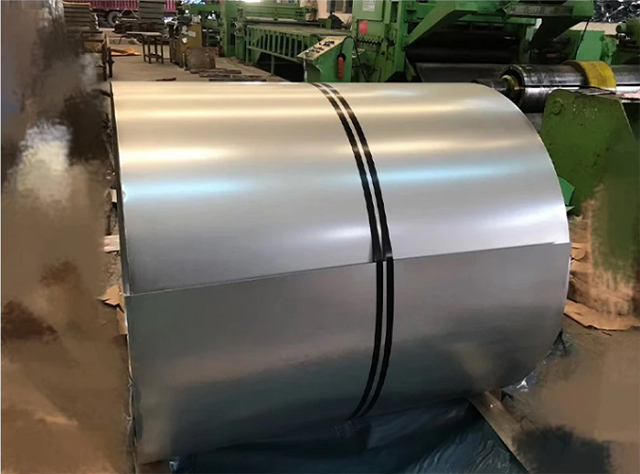
Used for roof panels, wall panels, structural beams and columns, guardrails, ventilation ducts, etc. Offers excellent rust resistance and weathering performance with a service life of up to half a century.
Galvanized plates are extensively used for car bodies, chassis, and door panels, offering rust prevention and facilitating paint application.
Refrigerator shells, air conditioner panels, and washing machine drums utilize galvanized plate as a base material for its aesthetic appeal and corrosion resistance.
Hot-dip galvanized structural components are extensively employed in harsh environments for transmission towers, photovoltaic racks, highway guardrails, and port equipment.
Galvanized plates are widely used for greenhouse frames, grain silos, and agricultural
machinery covers due to their strong corrosion resistance and low cost.
Driven by green manufacturing and eco-friendly principles, the galvanized plate industry is advancing toward high performance, environmental sustainability, and intelligent solutions:
Zinc-aluminum-magnesium and zinc-nickel alloy coatings will gradually replace traditional single-zinc layers, significantly extending corrosion resistance lifespans.
Technologies like nano-silane and ceramic films enable anti-soiling, anti-fingerprint, and self-healing properties.
Digital inspection technologies enable real-time monitoring of coating thickness and corrosion rates for precise maintenance.
Promoting low-emission hot-dip processes and zinc resource recovery technologies reduces energy consumption and carbon emissions.
In summary, galvanized plates demonstrate irreplaceable advantages in rust prevention through their triple protective mechanisms: physical isolation, electrochemical protection, and self-healing. They not only extend the service life of metal structures but also excel in cost-effectiveness, workability, and environmental sustainability. With technological advancements and process upgrades, future galvanized plates will become lighter, stronger, and more corrosion-resistant, establishing themselves as a vital foundational material for driving green manufacturing and sustainable development.
7. Future Development Trends
(1) Novel Composite Coating Technologies
(2) Surface Passivation and Self-Cleaning Coatings
(3) Intelligent Monitoring and Lifespan Assessment
(4) Green Manufacturing and Recycling
China galvanized plate manufacturer: Boxing Shuangshengda Steel specializes in galvanized sheet, galvanized steel plate,Colour steel plate etc.We have a full range of product specifications and types, low prices, and more than 20 years of experience, worthy of your trust

 Address:Bo Xing County, Shandong Province
 E-mail: