
 Language


More Language
Language
In today's rapidly evolving landscape of new building materials, nano plates—also known as nano plates—are emerging as high-performance materials based on nanotechnology. They are playing an increasingly vital role across multiple sectors including construction, industry, energy, and transportation. Their unique properties—including thermal insulation, corrosion resistance, wear resistance, and environmental friendliness—make them indispensable new materials in modern engineering projects. This article provides a comprehensive analysis of the value and applications of nano plates, covering their definition, material composition and production process, advantages, application fields, installation, and maintenance.
Nano plates (also known as nano insulation plates) are a new type of insulation material developed based on the principle of nano-pores. They are primarily composed of pure aluminum foil, polymers, PET, and other raw materials bonded together through a special adhesive process. It possesses a thermal conductivity lower than that of stationary air, making it a high-temperature solid insulation material with excellent thermal barrier properties.
Compared to traditional color-coated steel sheets and cement tiles, nano plates not only offer lightweight yet high-strength structural characteristics but also provide effective thermal insulation, corrosion resistance, and extended service life. Their comprehensive performance significantly outperforms conventional materials. Nano plates are widely applied across multiple sectors including building construction, factory construction, civil architecture, and temporary facilities.
- Base Material: Medium-density fiberboard (MDF, density 450–800 kg/m³), particleboard (density 500–700 kg/m³), or plywood (multilayer board), providing structural strength.
- Nano Coating: Composed of silicon dioxide (SiO₂), titanium dioxide (TiO₂), or nanoscale polymers, featuring high hardness (Mohs hardness 6–8), low surface energy (waterproof and stain-resistant), and antimicrobial properties (in select products).
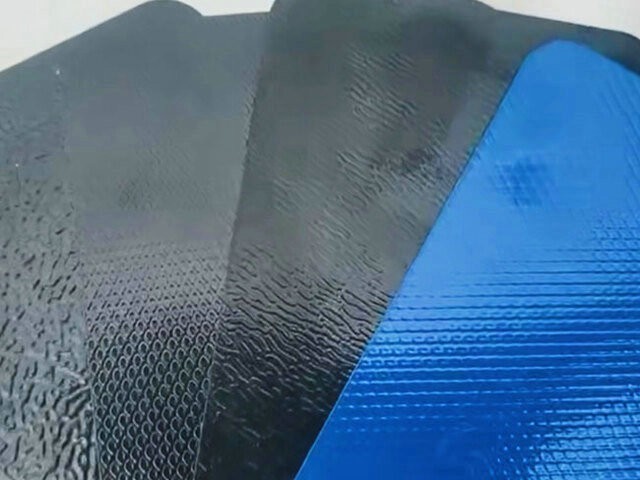
- Bonding Layer: Utilizes eco-friendly adhesives (e.g., urea-formaldehyde resin, MDI formaldehyde-free glue) or hot-pressing techniques to bond the coating to the substrate.
- Decorative Layer: Some nano plates incorporate decorative paper (e.g., wood grain, stone patterns) beneath the coating to enhance aesthetics.
The manufacturing process for nano plates integrates traditional plate production with nanotechnology, comprising the following key steps:
- Substrate Preparation: Select high-quality MDF or particleboard, sanding to ensure surface flatness.
- Nano-Coating Preparation: Prepare nano-scale coating solutions via sol-gel or chemical vapor deposition (CVD) methods, incorporating components like SiO₂ and TiO₂.
- Coating Application: Apply the nano-coating uniformly to the substrate surface using roller coating, spray coating, or vacuum deposition techniques, controlling the coating thickness between 10 and 100 nanometers.
- Curing Treatment: Ensure the coating bonds firmly to the substrate through ultraviolet (UV) curing or high-temperature baking (80–120°C).
- Post-processing: Cutting, edge sealing, and polishing ensure precise plate dimensions and a smooth surface finish.
- Quality inspection: Tests for coating hardness, abrasion resistance, stain resistance, and formaldehyde emission comply with GB 18580-2017 “Limits for Formaldehyde Emission from Interior Decoration and Renovation Materials—Engineered Wood Plates and Products.”
- Features: Nano-coating achieves over 90% surface gloss, creating a mirror-like effect for a premium, sophisticated visual impact.
- Benefits: Mimics wood grain, stone patterns, and metallic textures with diverse color options (customizable RAL color chart), ideal for modern, light luxury, and Nordic interior styles.
- Applications: Elevates cabinet doors, TV stands, and decorative wall plates to enhance spatial sophistication.
- Features: Low-surface-energy nano plate repels stains (e.g., oil, ink) with minimal surface porosity, preventing dust accumulation.
- Advantages: Cleans easily with a damp cloth or neutral detergent, requiring no special maintenance. Ideal for high-traffic areas like kitchens and bathrooms.
- Testing: Oil-based marker marks wipe clean without residue after 5 minutes of standing, achieving stain resistance level 4+ (ISO 13006 standard).
- Features: nano plate exhibits high hardness (Mohs scale 6–8), strong scratch resistance, and wear resistance meeting PEI III grade (suitable for residential use).
- Advantages: Resists scratches during daily use, ideal for households with children or pets, extending furniture lifespan (approx. 15–20 years).
- Testing: No visible scratches when scraped with keys or coins.
- Features: nano plate seals substrate surface, achieving water absorption <0.5%, offering superior waterproofing compared to standard paint-free boards.
- Advantages: Suitable for mildly humid environments (e.g., kitchens, bathrooms), reducing risks of substrate swelling or mold growth.
- Note: Substrate still requires high-quality edge sealing to prevent moisture penetration.
- Eco-Friendliness: Premium nano plates use ENF-grade substrates (formaldehyde emission ≤0.025mg/m³), compliant with GB 18580-2017 “Limits for Formaldehyde Emission from Interior Decoration and Renovation Materials—Engineered Wood Products and Their Components.” Suitable for children's rooms or sensitive individuals.
- Antibacterial Properties: Certain products incorporate nano-TiO₂ for photocatalytic antibacterial functionality, inhibiting Escherichia coli and Staphylococcus aureus (certified per ISO 22196).
- Advantages: Enhances indoor health standards, suitable for public spaces like hospitals and kindergartens.
- Features: Base material (MDF or particleboard) is easy to cut, drill, and carve; nano plate does not affect processing performance.
- Advantages: Suitable for whole-house customization, meeting complex design requirements (e.g., European-style carved door plates).
- Applications: Custom furniture including wardrobes, bookshelves, and kitchen cabinets.
- Industrial plant roofs and walls
- Residential building exteriors and roofs
- Temporary housing and prefabricated structures
- Nano plates ensure architectural aesthetics while significantly enhancing thermal insulation and energy efficiency.
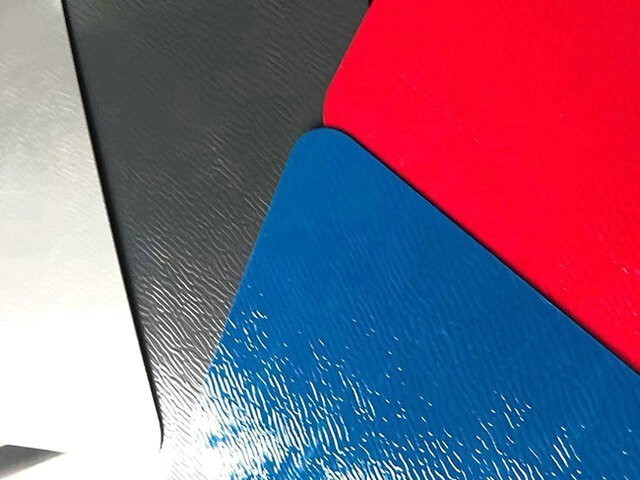
- Sports stadiums, exhibition centers
- Schools, hospitals, transportation hubs
- These structures demand high thermal stability and environmental sustainability, making nano plates an ideal choice.
- Highway noise barriers
- Subway station entrances, concourse ceilings
- Vehicle interior plates
- Their thermal and acoustic insulation properties effectively enhance travel comfort.
- Thermal insulation for power plant boilers and pipelines
- Shells for petrochemical storage tanks
- Insulated containers for cold chain transportation
- Nano plates maintain stable thermal insulation properties in both high-temperature and low-temperature environments.
With the advancement of green energy-efficient buildings, nano plates are increasingly being adopted in emerging fields such as solar houses, passive buildings, and smart buildings.
- Substrate Preparation: Ensure the installation surface is flat, clean, and free of significant protrusions or depressions.
- Fixing Methods: Typically secured with screws or snap-fit structures to prevent stress concentration.
- Joining Technique: Maintain appropriate gaps between plates to allow for thermal expansion and contraction without deformation.
- Sealing Treatment: Apply weather-resistant sealant at joints to enhance waterproofing and insulation performance.
- Regular Cleaning: Rinse with neutral detergent or water; avoid acidic or alkaline solutions to prevent corrosion.
- Fastener Inspection: Prevent screw loosening over time to maintain structural integrity.
- Surface Maintenance: Promptly repair any surface scratches to prevent moisture penetration.
- Anti-Corrosion Care: In coastal or high-humidity environments, conduct annual surface anti-corrosion inspections.
Compared to traditional color-coated steel plates and aluminum-plastic composite plates, nano plates offer the following comprehensive advantages:
- Extended service life: Traditional color-coated steel plates typically last 10-15 years, while nano plates can endure up to 30 years.
- Significant energy savings: Enhanced thermal insulation effectively reduces air conditioning energy consumption.
- Low maintenance costs: Strong self-cleaning properties minimize routine cleaning and upkeep expenses.
- Superior environmental performance: Emits no harmful substances, fully compliant with green building standards.
As a new high-performance building material, nano plates have become an ideal choice for modern architecture and industrial facilities due to their outstanding thermal insulation, exceptional durability, and eco-friendly, healthy characteristics. With ongoing technological advancements and expanding applications, nano plates are poised to become mainstream in the future building materials market, helping humanity achieve more energy-efficient, environmentally friendly, safe, and comfortable living and production environments.
China galvanized plate manufacturer: Boxing Shuangshengda Steel specializes in galvanized sheet, galvanized steel plate,Colour steel plate etc.We have a full range of product specifications and types, low prices, and more than 20 years of experience, worthy of your trust
 Address:Bo Xing County, Shandong Province
 E-mail: