
 Language


More Language
Language
In modern construction and industrial manufacturing, color steel plates are extensively utilised for factory roofs, walls, warehouses, workshops, cold storage facilities, and large public buildings due to their lightweight, high strength, aesthetic appeal, and rapid installation. With continuously growing market demand, the application of color steel plates is becoming increasingly widespread. This article comprehensively analyses the installation methods for color steel plates, covering aspects such as preparatory work, process flow, critical stages, and key considerations.
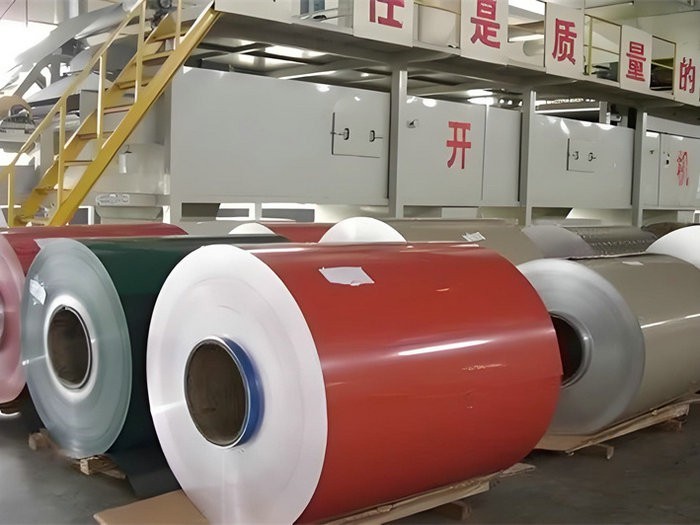
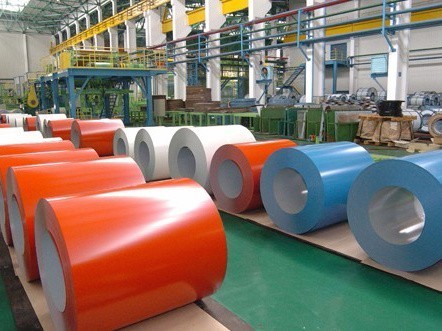
Colored steel plates are manufactured by applying or laminating organic films (such as PVC film) onto cold-rolled steel plates or galvanized steel plates following surface chemical treatment, then curing the coating through baking. These plates combine the high mechanical strength and formability of steel with the excellent decorative properties and corrosion resistance of the coating material.
- Lightweight: The low weight of color steel plates reduces structural loads and construction costs.
- High Strength: Their robust properties enable resistance to natural hazards such as wind and earthquakes, ensuring building safety.
- Corrosion and fire resistance: These panels possess anti-corrosive and fire-retardant properties, extending building lifespan and enhancing structural safety.
- Excellent weather resistance: The surface coating exhibits superior weather resistance, adapting to diverse climatic conditions while maintaining long-term aesthetic appeal.
- Ease of installation: Simple and straightforward installation procedures enable rapid construction with short project timelines.
Thorough preparation prior to commencement is crucial for ensuring installation quality.
- Verify that the specifications and model of the colored steel plates comply with design requirements;
- Confirm the surface coating exhibits no visible scratches, damage, or corrosion;
- Check that all ancillary components (screws, sealing strips, eaves gutters, edge trims, etc.) are complete.
Prior to commencing installation, the foremost task is to clear all site obstructions to ensure unimpeded progress. Concurrently, thoroughly prepare all necessary installation tools, such as electric drills, screwdrivers, rivet guns, and sealant guns. Ensure all requisite materials—including screws, rivets, and sealants—are stocked. All tools must undergo pre-installation calibration to guarantee smooth operations.
Prior to installation, the installation area must be precisely measured according to the construction drawings. The layout of the color steel plates should be rationally planned to meet design requirements while minimising sheet cutting and material wastage.
Prior to installation, conduct a thorough inspection of delivered panels. Examine for visible defects such as deformation, scratches, or coating peeling to ensure the selected colour steel plates meet quality standards and satisfy safety requirements.
- Verify that the construction site meets safety conditions;
- Avoid installation during high winds or heavy rain to prevent hazards or compromising construction precision.
The installation process for colored steel plates broadly comprises the following steps:
Prior to installation, conduct measurement, marking, and reference line setting on the roof or walls according to site conditions and drawing specifications. Accurately determine the roof slope and panel layout; precise layout is essential to ensure subsequent installation flatness and overall aesthetics. (Where a waterproof layer is required, moisture-proof isolation measures must be implemented beforehand). Simultaneously, control the position and dimensions of reserved openings, along with their connection methods to the main structure.
Colored steel plates are typically installed onto steel structures or light steel studs. Construction personnel must first inspect the welds and connections of the support structure for firmness, ensuring they meet load-bearing requirements.
For roofing projects, waterproof membranes or insulation layers may be laid over the support structure to enhance the building's thermal insulation and waterproofing performance.
Roof Installation: Sheets should be laid sequentially from the ridge towards the eaves, with overlap lengths meeting design specifications (typically 150mm or greater), maintaining perpendicularity to the eaves.
Wall installation: Install panels sequentially from bottom to top, ensuring verticality and flatness.
When installing edges and corners, cut color steel plates to appropriate lengths and angles, securing them to steel purlins using self-tapping screws.
When installing penetrations, process them according to requirements to ensure sealing integrity between the penetration and color steel plate.
Seal joints between color steel plates with cement to prevent leakage.
Upon completion, inspect each panel for secure fastening, ensuring no loose fittings or potential leaks. Simultaneously clear the worksite to prevent corrosion caused by residual metal shavings or debris.
The color coating on the surface of color steel plates serves
as a vital barrier against corrosion. During installation, avoid striking or dragging the plates with hard objects to prevent surface scratches.
Should cutting be required, it is recommended to use electric shears or specialised cutting machines. Avoid using angle grinders to prevent high temperatures from scorching the coating.
High-risk leakage points such as roof-wall junctions and screw holes must be treated with sealant or waterproof sealing strips.
When working at height or on sloping roofs, safety equipment including harnesses and non-slip footwear must be worn. Work platforms must be stable to ensure personnel safety.
Colored steel plates undergo thermal expansion and contraction with temperature changes. Expansion joints must be incorporated during installation to prevent subsequent deformation or cracking.
(1) Colored Steel Roofing: Characterised by light weight, simple structure, and ease of installation, colored steel roofing is widely used for industrial buildings, commercial structures, and various factory roofs.
(2) Colored Steel Plate Walls: These are typically employed as side walls and perimeter enclosures for factories, warehouses, and similar structures. Offering thermal insulation, soundproofing, fire resistance, and moisture protection, they significantly enhance a building's functional performance.
(3) Colored Steel Plate Partition Walls: Primarily used for dividing interior spaces in offices, factories, and shopping centres. These partitions offer high flexibility and adjustability, allowing for reconfiguration and modification according to usage requirements.
(4) Sandwich Plates: Sandwich panels consist of two color steel plates with an insulating core layer. Possessing excellent thermal insulation properties, they are widely used for walls and roofs in cold storage facilities, workshops, exhibition halls, and similar structures.
(5) Colored steel plate doors and windows: Featuring simple construction and straightforward installation, these doors and windows provide reliable protective performance. They are commonly employed for enclosing openings in factories, warehouses, shops, and similar structures.
(6) Colored steel plate roofing: Typically used for large-span structures such as shopping centres, stations, and sports arenas, colored steel plate roofing offers lightweight construction, short installation cycles, and effective daylighting.
(7) Protective walls: These are extensively employed as temporary barriers in geotechnical engineering and road construction projects. Characterised by straightforward installation, easy dismantling, and reusability, they significantly enhance construction efficiency.
Conduct annual checks on roofs and walls, particularly at joints and screw points. Address any water ingress promptly.
Regularly remove dust, fallen leaves, and debris to prevent coating corrosion.
Prohibit walking on or stacking heavy objects upon the color steel plate surface to avoid dents and coating damage.
Should localised coating damage or rust occur, promptly sand the affected area and reapply anti-corrosion paint to prevent corrosion spread.
As an indispensable material in modern construction, the installation quality of color steel plates directly determines a building's service life and performance. From preparatory work and standard procedures to meticulous execution, every step demands rigorous attention. Whether in industrial plants, cold storage facilities, or public buildings, scientifically sound installation practices are essential to realise the material's advantages: lightweight, high strength, aesthetic appeal, and durability.
China galvanized plate manufacturer: Boxing Shuangshengda Steel specializes in galvanized sheet, galvanized steel plate,Colour steel plate etc.We have a full range of product specifications and types, low prices, and more than 20 years of experience, worthy of your trust

 Address:Bo Xing County, Shandong Province
 E-mail: