
 Language


More Language
Language
In modern construction and manufacturing, color steel plate has gradually become an important material for roofing, walling, partitioning and industrial equipment manufacturing by virtue of its lightweight, beautiful and durable advantages. Especially with the development of assembly building and green building materials, the demand for color steel plate is growing, and its thickness, as one of the core parameters, directly determines the use of the product scene and performance performance. This article will focus on the material composition of color steel plate, thickness range, specifications, application scenes and selection basis for a comprehensive interpretation, to help you better understand and apply this building material.
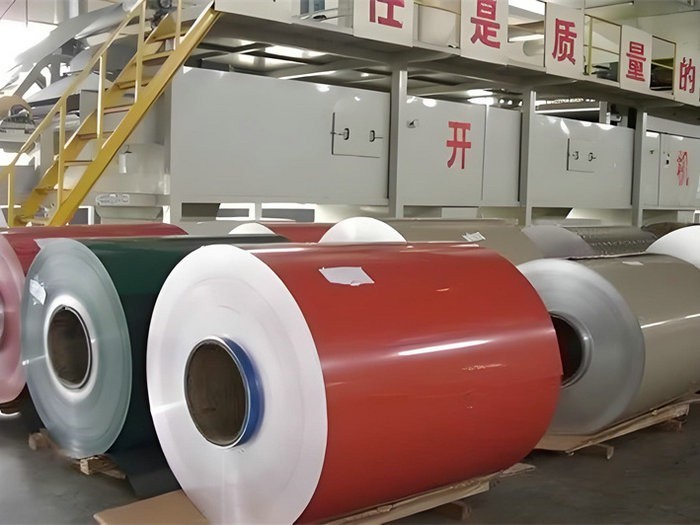
The core substrate of color steel plate is usually cold rolled steel, galvanized steel or aluminum-zinc-plated steel, and the surface of the substrate is coated with organic coatings (e.g. polyester, fluorocarbon, etc.) to achieve the decorative and protective functions. Typical structures include:
Base plate: determines the overall strength and hardness, thickness ranges from 0.2mm-1.5mm.
Chemical conversion layer: improves the adhesion of the coating and enhances the corrosion resistance.
Primer + topcoat: give color steel plate beautiful color and excellent weather resistance.
Back paint: Enhance the oxidation resistance and processing adaptability of the back.
Color steel plate not only has the strength and processability of traditional steel, but also has excellent corrosion resistance and decorative properties due to the presence of coating, becoming a modern material with both functionality and aesthetics.
The thickness of color steel plate generally includes two parts: thickness of substrate and thickness of coating.
Thickness of substrate: determines the mechanical strength and bearing capacity of the plate, common range is 0.2mm-1.5mm.
Thickness of coating: affects the weather resistance and appearance quality, generally 20μm-30μm (single side). Some high weathering products adopt ≥50μm thick film system, which is used in corrosive environments such as seaside or chemical plants.
According to GB/T 12754-2019 “color coated steel plate and steel strip” standard, the common way of labeling is: substrate thickness + coating thickness, for example, 0.5mm + 25μm, used for light partition wall; 1.0mm + 30μm, suitable for high strength plant roofing.
(1) Thickness of color steel plate: the thickness of color steel plate is usually measured in millimeters (mm), and the mainstream thickness ranges from 0.3mm to 1.5mm, with specific values varying according to usage and industry standards. The following are common thicknesses and corresponding scenes:
0.3mm-0.5mm:Suitable for light temporary construction, movable boarding house, billboard backboard.
0.5mm-0.8mm:Commonly used in factory walls, warehouse roofs, balancing cost and strength.
0.8mm-1.2mm:Used in industrial factories, logistics warehouses, cold chain insulation warehouse and other scenes with high requirements for load bearing and weather resistance.
1.2mm-1.5mm:Used in bridge enclosure, heavy structure and coastal area building, need to cooperate with corrosion-resistant plating.
Note:Thickness tolerance is generally controlled at ±0.05mm, depending on manufacturers' process and standards.
(2) Color steel plate width: common color steel plate width of 1000mm, 1200mm and 1250mm. different width of color steel plate for different occasions. For example, 1000mm width of color steel plate is suitable for light building roof and wall; 1200mm width of color steel plate is suitable for medium-sized building roof and wall; 1250mm width of color steel plate is suitable for heavy buildings, industrial workshops and warehouses and other places.
(3) Length of color steel plate: the common length of color steel plate is 2000mm-6000mm, and the length can also be customized according to customer requirements.
(4) Color steel plate color: color steel plate color variety, common red, blue, green, white, gray and so on. Different colors of color steel plate can meet the needs of different occasions.
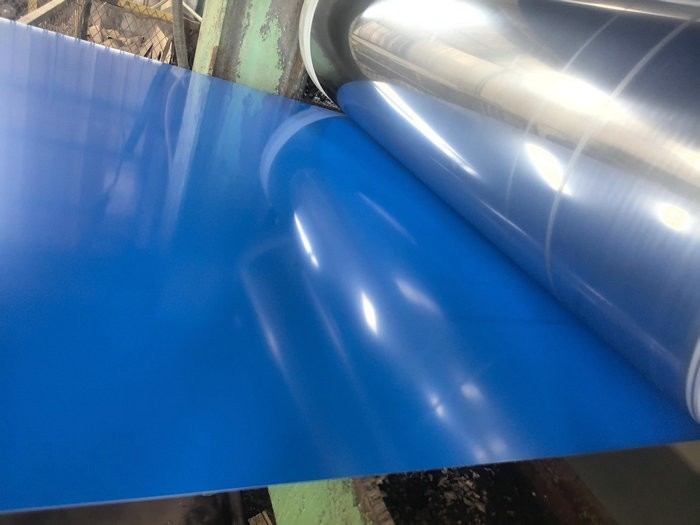
(1) Construction industry: color steel plate is widely used in the construction industry, mainly for roofing and wall covering. Color steel plate has lightweight, strong, durable and other characteristics, can effectively protect the building from the external environment. At the same time, color steel plate also has good sound insulation and heat preservation performance, creating a comfortable environment inside the building.
(2) Manufacturing industry: color steel plate is also widely used in manufacturing industry. For example, in the automobile manufacturing industry, color steel plate is used as automobile body parts; in the furniture manufacturing industry, color steel plate is used as furniture structure material and surface decoration material; in the electrical appliances manufacturing industry, color steel plate is used as electrical appliances shell material.
(3) Other fields: in addition to construction and manufacturing, color steel plate has other applications. For example, in agriculture, color steel plate is used as agricultural greenhouse covering materials; in the transportation industry, color steel plate is used as truck side panels and so on.
(1) Lightweight: color steel plate is lightweight and easy to handle and install.
(2) Sturdy: color steel plate has high strength and hardness, which can effectively prevent the external environment from damaging the building.
(3) Durable: colour steel plate has a long service life and is not easily affected by corrosion and oxidation.
(4) Easy to install and maintain: color steel plate is easy and convenient to install and has low maintenance cost.
(1) Poor fireproof performance: since color steel plate is mainly composed of metal materials, its fireproof performance is poor.
(2) Poor sound insulation performance: Since there is no sound insulation layer in color steel sheets, their sound insulation performance is poor.
(3) Unsuitable for long-term exposure to sunlight: Since color steel plate is susceptible to ultraviolet rays, it is not suitable for long-term exposure to sunlight.
When choosing the thickness of color steel plate, in addition to considering its application scene, the following factors need to be considered comprehensively:
-Use environment: coastal, high humidity, high corrosion environment need to choose ≥0.6mm substrate + high weatherproof coating.
Load-bearing requirements: ≥0.8mm substrate is required for roof structure or cold chain warehouse.
-Budget and life: the greater the thickness and the thicker the coating, the higher the cost, but the service life is longer.
-Regulatory standards:Refer to “GB/T12754-2019” “GB/T2518-2008” to ensure compliance with national quality requirements.
With the continuous acceleration of industrialization and urbanization, as well as the continuous innovation and development of color steel plate product technology, the market demand for color steel plate will continue to grow. Especially in the field of green building, energy saving and environmental protection, color steel plate will play a more important role, the future market prospect is very broad.
Color steel plate thickness is not only a numerical parameter, but also a key index to determine its performance and application. From light building to large-scale industrial plant, from home appliances manufacturing to cold chain transportation, different thickness of color steel plate plays an important role in all walks of life. With the development of new materials and new technology, the future color steel plate will continue to serve the modern industry and construction with more environmental protection, intelligence and multi-function.
China galvanized plate manufacturer: Boxing Shuangshengda Steel specializes in galvanized sheet, galvanized steel plate,Colour steel plate etc.We have a full range of product specifications and types, low prices, and more than 20 years of experience, worthy of your trust

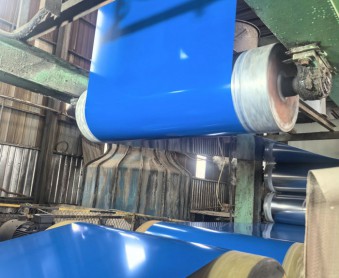
 Address:Bo Xing County, Shandong Province
 E-mail: