
 Language


More Language
Language
1mm gi sheet is made of cold-rolled or hot-rolled steel plate as the base material, and the surface is covered with a layer of zinc layer with a thickness of about 1mm through hot-dip galvanizing process. Its core specifications cover four dimensions: thickness, width, length, and zinc layer quality. It not only meets the basic anti-corrosion requirements, but also adapts to various fields such as construction, home appliances, and automobiles through standardized parameters. In terms of thickness, the standard specification is 1.0 ± 0.05mm to ensure structural strength and processing stability; The width is commonly 1000mm, 1200mm, 1250mm, 1500mm, and can be customized up to 1800mm; the length is mainly 2000mm, 2500mm, and 3000mm, and can be cut as needed. The quality of the zinc layer is classified according to national standards as Z80 (80g/m ²), Z120 (120g/m ²), etc., which directly affects corrosion resistance. For example, Z120 or higher specifications are required for high humidity coastal environments. The following will provide a detailed introduction to the specifications of 1mm gi sheet sheet.
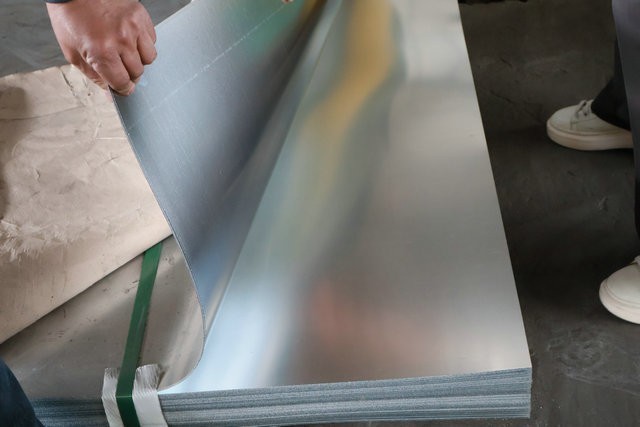
Electroplated gi sheets are coated with a thin layer of zinc through electrolysis. The thickness of its zinc layer is generally between a few micrometers and a dozen micrometers, and its appearance is relatively bright, but its corrosion resistance is slightly weaker compared to hot-dip gi sheets. Electroplated gi sheet sheet is commonly used in applications that require high surface quality and relatively mild corrosive environments, such as household electrical enclosures and indoor decoration. 1mm gi sheet is also produced according to these two processes to meet the needs of different users.
Table: Common 1mm gi sheet size specifications
|
Width (mm) |
Common Length (mm) |
Suitable Scenarios |
|
1000 |
2000 - 4000 |
Indoor lightweight partitions, small ventilation ducts |
|
1200 |
2500 - 5000 |
General building roofs, walls of small warehouses |
|
1250 |
3000 - 6000 |
Roofs and walls of large industrial factories |
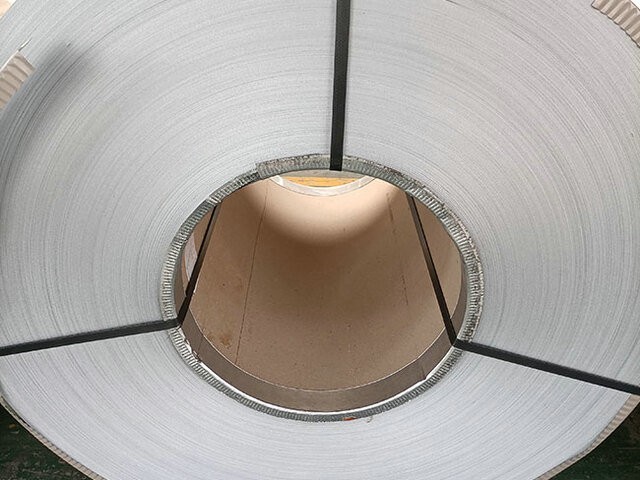
The thickness of the zinc layer is one of the important indicators for measuring the quality of gi sheets. For 1mm gi sheets, the thickness of the zinc layer may vary depending on different usage environments and standard requirements. Generally speaking, the zinc layer thickness of hot-dip galvanized 1mm steel plate can reach 50 μ m-100 μ m or more, providing long-term anti-corrosion protection. In some coastal areas or highly polluted environments, products with thicker zinc layers are chosen to ensure the corrosion resistance of steel plates. The zinc layer thickness of 1mm gi sheet is relatively thin, usually between 5 μ m-15 μ m, which is suitable for indoor and other less corrosive environments.
Elongation is an important indicator for measuring the plasticity of materials, which reflects the deformation ability of materials before fracture. The elongation rate of 1mm gi sheet is usually between 15% and 30%. A higher elongation rate means that the steel plate can better absorb energy under stress, is less prone to brittle fracture, and has good adaptability in some situations that require dynamic or impact loads, such as bridges, mechanical equipment, etc.
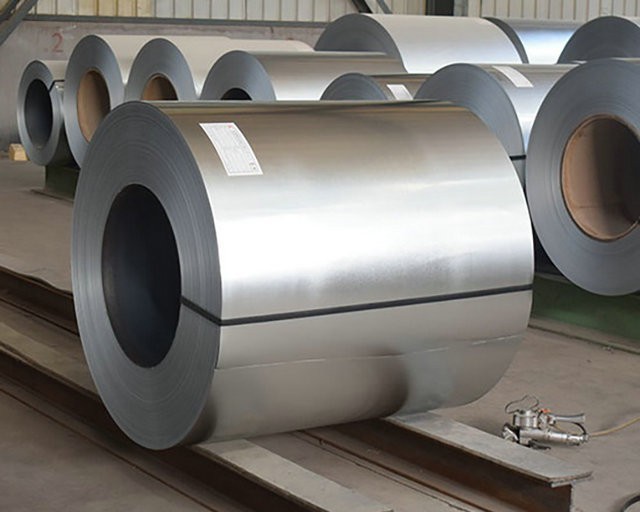
The surface quality of 1mm gi sheet has a significant impact on its appearance and performance. The surface of high-quality gi sheet should be smooth and even, without obvious defects such as zinc nodules, burrs, scratches, etc. The zinc layer should be uniformly adhered to the surface of the steel plate without any missed plating, peeling, or other phenomena. When observed under light, the surface of the steel plate should have a certain glossiness, reflecting good galvanizing quality. In addition, for some applications with special requirements, such as food processing equipment, pharmaceutical manufacturing, etc., there are strict requirements for the surface cleanliness and hygiene of gi sheets, which require the use of special production processes and surface treatment technologies to meet them.
China galvanized plate manufacturer: Boxing Shuangshengda Steel specializes in galvanized sheet, galvanized steel plate,Colour steel plate etc.We have a full range of product specifications and types, low prices, and more than 20 years of experience, worthy of your trust
 Address:Bo Xing County, Shandong Province
 E-mail: