Identifying printed color steel plates requires comprehensive consideration of multiple characteristics. Overall, accurate identification can be achieved by observing surface quality, inspecting printed patterns, and identifying information. Whether the surface coating is uniform, has color difference and peeling, can intuitively reflect the quality of the steel plate; The thickness, hardness, and material of the substrate are key factors in determining the performance of the steel plate; The pattern accuracy, color saturation, and other traces left by the printing process help determine the printing quality of the steel plate. By mastering these key points, one can accurately identify printed colored steel plates.
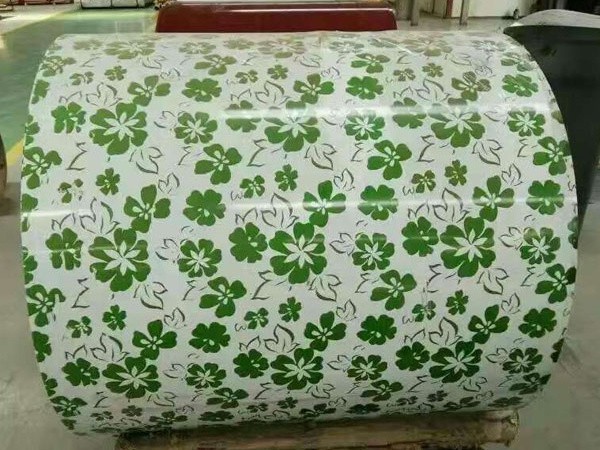
1. Appearance feature recognition
1. Surface quality
The surface of high-quality printed color steel plates should meet the following requirements:
Coating uniformity: no color difference, no sagging, no orange peel phenomenon
Glossiness: According to design requirements, it can be divided into matte (10-30%), semi gloss (30-60%), and high gloss (60-90%)
Flatness: The board surface has no wave patterns, no indentation, and no burrs on the edges and corners
2. Printing patterns
Professional printing technology should possess:
Resolution: Clear pattern lines, minimum line width ≤ 0.2mm
Color reproduction: Color difference Δ E ≤ 3 from the design draft (detected using a spectrophotometer)
Overprint accuracy: When printing in multiple colors, the overlap error of each color layer is ≤ 0.1mm
3. Identification information
Legitimate products should include the following markings:
Brand logo: clear and recognizable, fixed in position
Specification parameters: including thickness, width, length, coating type
Production batch number: traceable to specific production date and team
Execution standard: such as GB/T 12754-2019 "Printing Color Steel Plates and Strips"
2. Performance indicator testing
Key Performance Parameters Table
Test Item
|
Technical Requirements
|
Detection method
|
Coating thickness
|
20-40 μ m (dual coating)
|
Magnetic thickness gauge
|
Pencil hardness
|
≥2H
|
GB/T 6739-2006
|
Adhesion
|
Grid Method Level 0
|
GB/T 9286-1998
|
Salt spray resistance
|
1000 hours without bubbles or rust
|
GB/T 1771-2007
|
Acid resistance
|
5% HCl solution remains unchanged for 48 hours
|
GB/T 23987-2009
|
Solvent resistance
|
Wipe 200 times with butanone without exposing the substrate
|
GB/T 23989-2009
|
Key points of testing explanation
1. Coating thickness detection:
Use a magnetic thickness gauge to uniformly select 5 points on the surface of the board for measurement
The thickness deviation of the printed color steel plate layer should be controlled within ± 5 μ m
The thickness of the corners should not be less than 80% of the middle part
2. Adhesion test:
Using the grid cutting method with a cutting spacing of 1mm
After pasting the tape, quickly peel it off, and the area of coating detachment should be ≤ 5%
3. Weather resistance assessment:
After 1000 hours of artificial accelerated aging test (QUV)
The light retention rate should be ≥ 80%, and the color difference Δ E should be ≤ 5
3. Common characteristics of counterfeit and inferior products
1. Appearance defects
Coating peeling: The coating on the edge is prone to peeling off
Stain: Local areas with varying shades of color
Pinholes: tiny pores visible on the surface of printed color steel plates
Scratch: Linear damage caused during transportation
2. Performance does not meet the standard
Poor corrosion resistance: Corrosion occurs after 200 hours of salt spray test
Insufficient hardness: Pencil hardness test ≤ 1H
Fast aging: Printed color steel plates show significant fading after 6 months of outdoor use
3. Improper labeling
No production batch number: unable to trace product quality
Lack of execution standards: National standards that are not specified as compliant
Parameter ambiguity: Unclear labeling of parameters such as thickness and width
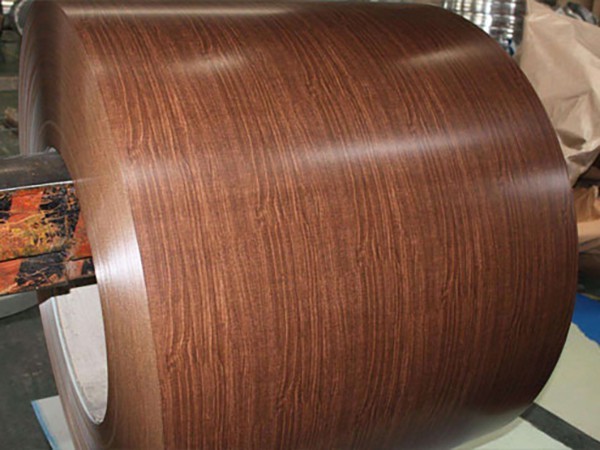
4. Professional testing methods
1. Spectral analysis:
Using XRF spectrometer to detect the composition of coating elements
Confirm whether it contains the specified proportion of pigments and resins
2. Microscopic observation:
Observe the coating structure through a metallographic microscope (200x)
High quality product coatings should be uniform, dense, and free of delamination
3. Bending test:
Bend the steel plate 180 ° and observe the coating
The coating on the colored steel plate printed at the bending point of qualified products should not crack or peel off
5. Purchase suggestions
1.Inspection report: Request the supplier to provide a third-party inspection report
2.Sample comparison: on-site comparison with standard color palette
3.Small batch trial: purchase a small number of samples for actual environmental testing first
4.Brand selection: Prioritize purchasing products from companies with ISO 9001 certification
Through the above introduction to the method of identifying printed color steel plates, I believe everyone has mastered the key points. With the continuous advancement of technology and the continuous development of the industry, the quality and craftsmanship of printed color steel plates are also constantly improving. In the future, we may encounter more types and higher quality printed color steel plates. Therefore, we need to constantly learn and accumulate recognition experience to improve our own discernment ability. At the same time, we also hope that manufacturers can strictly control the quality and provide more high-quality printed color steel plates to the market, jointly promoting the healthy development of the industry.

 Language


 Address:Bo Xing County, Shandong Province
 E-mail: